





- Introduction
- Prepare Before Travelling To Bangkok
- Drink Water Regularly
- Plan Around Bangkok’s Heat
- Protect Your Skin From The Sun
- Choose Freshly Prepared Food
- Manage Food Allergies Carefully
- Balance Rich Meals With Lighter Choices
- Wash Your Hands Regularly
- Prevent Mosquito Bites
- Check Bangkok’s Air Quality
- Stay Active Without Overdoing It
- Use Public Transport To Reduce Fatigue
- Protect Your Sleep
- Avoid Walking Through Floodwater
- Know Where To Find Medical Help
- Keep Your Daily Schedule Realistic
- Conclusion
- FAQ
- What Is The Easiest Way To Stay Healthy In Bangkok?
- Is Bottled Water Easy To Find In Bangkok?
- Is Bangkok Street Food Safe For Visitors?
- How Can I Manage Bangkok’s Heat?
- Do I Need Mosquito Repellent In Bangkok?
- Should I Check Bangkok’s Air Quality?
- Can I Exercise Outdoors In Bangkok?
- What Health Items Should I Bring To Bangkok?
- When Should I Seek Medical Help In Bangkok?
Introduction
Bangkok is an exciting city filled with temples, markets, shopping malls, parks, restaurants, rooftop attractions, and colourful neighbourhoods. However, the tropical heat, high humidity, busy traffic, unfamiliar food, and long sightseeing days can sometimes leave visitors feeling tired or uncomfortable.
Fortunately, you do not need a complicated routine to stay healthy in Bangkok. Drinking enough water, protecting yourself from the sun, choosing freshly prepared food, washing your hands, sleeping well, and taking regular breaks can make a noticeable difference.
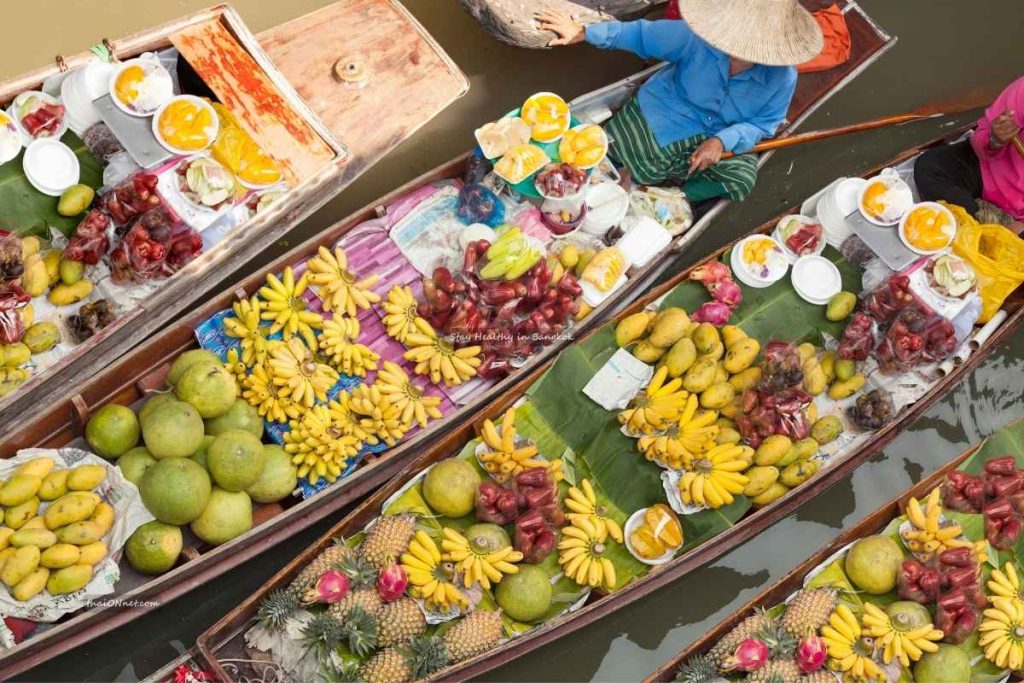
This guide explains practical ways to stay healthy in Bangkok without missing the city’s food, culture, shopping, and attractions. The advice is intended for general travel planning. Travellers with medical conditions, allergies, mobility concerns, or regular medication should prepare according to their individual needs.
👉 “Visitors interested in simple relaxation routines may also explore these Simple Thai Herbal Bath And Foot Soak Recipes for gentle at-home wellness inspiration.”
Prepare Before Travelling To Bangkok
A healthy trip often begins before you leave home. Check that your routine vaccinations are current and speak with a qualified healthcare professional if you have concerns about your health, planned activities, or travel itinerary.
Bring enough prescription medication for the entire journey, together with a small extra supply in case your return is delayed. Keep important medicine in its original packaging and carry essential items in your hand luggage.
A simple travel health kit may include:
- Regular prescription medication
- Sunscreen
- Insect repellent
- Hand sanitiser
- Adhesive plasters
- Oral rehydration products
- Basic pain relief you normally use
- Allergy medication
- Copies of prescriptions
- Travel insurance details
Travel insurance may also make it easier to access suitable care when necessary. Read the policy carefully and check whether it covers hospital treatment, existing medical conditions, emergency assistance, and the activities you plan to try.
Preparing these essentials in advance is one of the easiest ways to stay healthy in Bangkok from the beginning of your visit.
Drink Water Regularly
Bangkok is hot and humid during much of the year. Visitors often lose more fluid than expected while walking between temples, markets, transport stations, parks, and shopping centres.
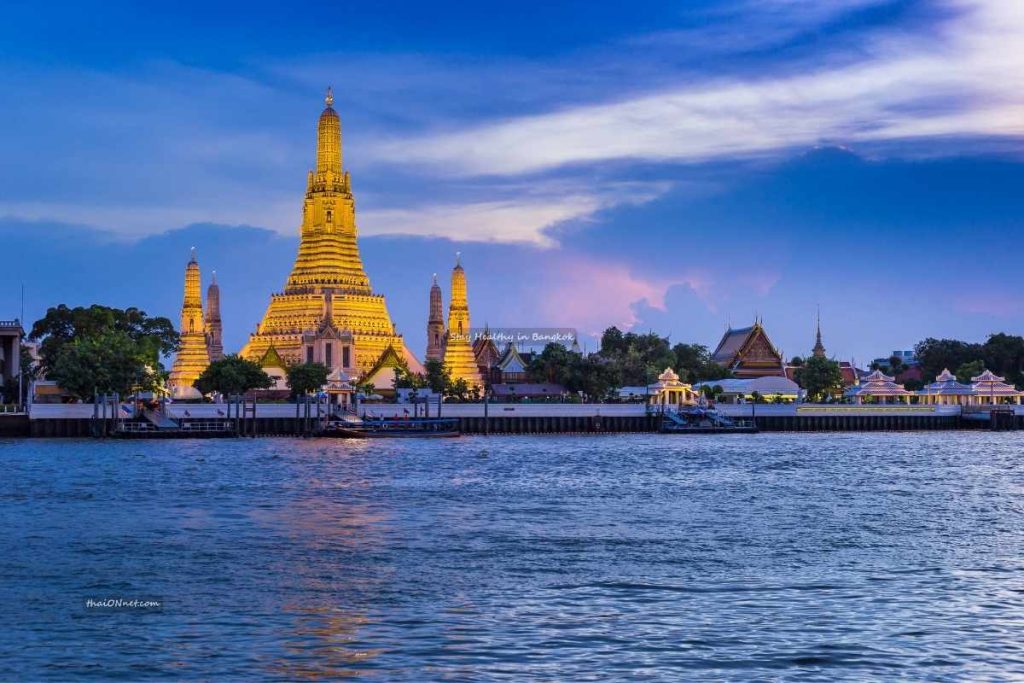
Regular hydration is essential if you want to stay healthy in Bangkok. Carry water during the day and drink regularly instead of waiting until you feel extremely thirsty.
Factory-sealed bottled water is widely available from convenience stores, supermarkets, hotels, restaurants, and attractions. Check that the cap is properly sealed before drinking.
Signs that you may need more fluids include:
- Dry mouth
- Headache
- Dizziness
- Unusual tiredness
- Dark-coloured urine
- Reduced urination
- Difficulty concentrating
Plain water is usually the best everyday choice. Coffee, soft drinks, sweet tea, and fruit beverages can be enjoyable, but they should not completely replace water.
After spending a long time outdoors or sweating heavily, a suitable rehydration drink may help replace fluids and electrolytes. People who need to limit salt, sugar, or fluid should follow their usual medical advice.
Plan Around Bangkok’s Heat
Bangkok’s heat can feel intense, especially when combined with humidity, traffic, crowds, and direct sunlight. Trying to complete too many outdoor activities in one day can quickly lead to exhaustion.
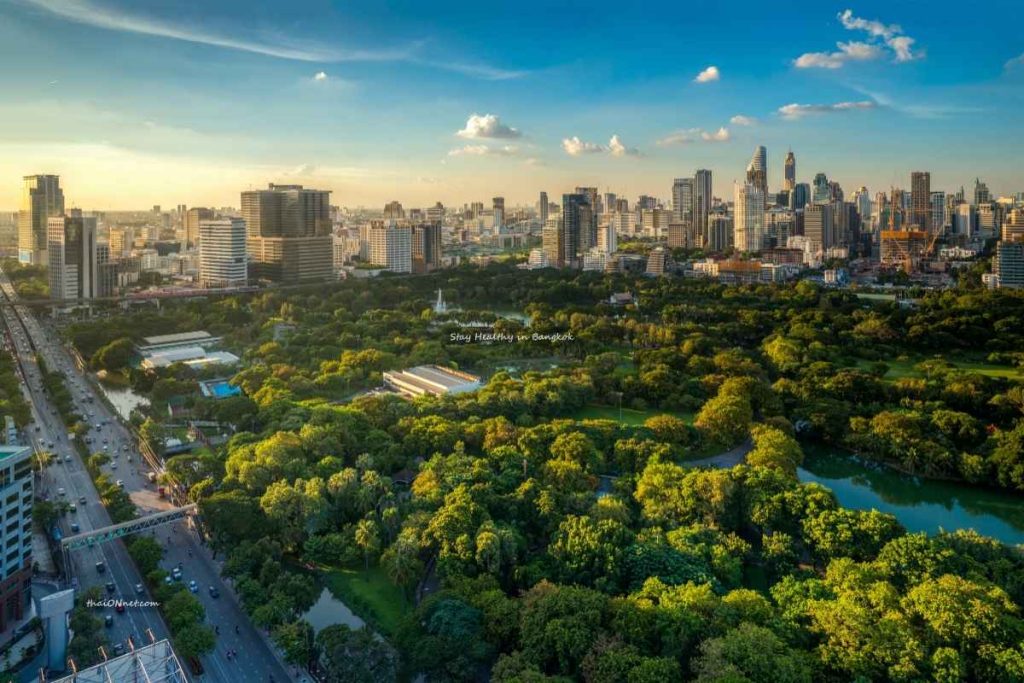
Plan temple visits, outdoor markets, walking tours, and parks for the morning or later afternoon whenever possible. Use the hottest part of the day for lunch, museums, cafés, cinemas, or air-conditioned shopping malls.
To stay healthy in Bangkok during hot weather:
- Wear lightweight and breathable clothing
- Carry drinking water
- Use a hat or umbrella for shade
- Apply sunscreen
- Walk at a comfortable pace
- Take regular indoor breaks
- Avoid unnecessary midday activity
- Rest when you feel weak or dizzy
Do not ignore severe weakness, confusion, fainting, or symptoms that continue to worsen. Move to a cooler place and seek medical assistance when necessary.
A flexible schedule is often better than trying to follow a strict sightseeing plan in uncomfortable weather.
Protect Your Skin From The Sun
Visitors can receive considerable sun exposure while walking around temple grounds, riverside areas, parks, markets, and outdoor attractions. Cloudy skies do not always mean that sun protection is unnecessary.
Using sunscreen is an important way to stay healthy in Bangkok. Apply it before leaving your accommodation and reapply it according to the product instructions, especially after sweating.
Additional protection may include:
- A wide-brimmed hat
- Sunglasses
- Lightweight long sleeves
- An umbrella
- Shaded walking routes
- Regular indoor breaks
Many travellers remember sunscreen during beach trips but forget about it while exploring Bangkok. Several hours of city sightseeing can still cause sunburn and discomfort.
Combining sunscreen with shade and suitable clothing usually provides better protection than relying on only one method.
Choose Freshly Prepared Food
Trying Thai food is one of the highlights of visiting Bangkok. The city offers street-food stalls, local restaurants, food courts, cafés, markets, and international dining.
You do not need to avoid local dishes to stay healthy in Bangkok. However, it is sensible to pay attention to how food is prepared, stored, and served.
Helpful food-safety habits include:
- Choose food that is cooked thoroughly
- Prefer meals served hot
- Look for stalls with regular customer turnover
- Observe whether the cooking area appears reasonably clean
- Avoid food left uncovered for long periods
- Be cautious with raw meat and seafood
- Wash or sanitise your hands before eating
- Avoid anything that smells or tastes unusual
Busy stalls may prepare and sell food quickly, but popularity alone does not guarantee food safety. Use your judgement and observe the preparation area before ordering.
Fresh fruit can be refreshing in Bangkok’s heat. When cleanliness is uncertain, fruit that you can peel yourself may be a practical choice.
Manage Food Allergies Carefully
Thai dishes may contain ingredients that are not immediately visible. Fish sauce, oyster sauce, shellfish, peanuts, eggs, soy, dairy products, and other allergens can appear in sauces, soups, curries, stir-fries, and snacks.
Travellers with serious allergies should carry any prescribed emergency medication and written information explaining the allergy. A translated allergy card may help restaurant staff understand which ingredients must be avoided.
Do not assume that removing one visible ingredient makes a meal completely safe. Sauces, cooking oils, pastes, and shared utensils may still contain allergens.
Clear communication is especially important when trying to stay healthy in Bangkok while exploring local food.
Balance Rich Meals With Lighter Choices
Bangkok has many delicious dishes, and it is easy to eat rich meals several times a day. You do not need to follow a strict diet during your holiday, but balancing heavier meals with lighter choices may help you maintain energy and avoid digestive discomfort.
Lighter options may include:
- Clear soups
- Grilled chicken
- Steamed fish
- Rice with vegetables
- Stir-fried vegetables
- Fresh fruit
- Tofu dishes
- Noodle soup
- Eggs with rice
- Mild vegetable dishes
Thai meals vary in sugar, salt, oil, and chilli. You can ask for less sugar, less oil, or less spice when needed.
The Thai phrase “mai phet” means “not spicy.” The final chilli level can still vary between cooks, so explain clearly if you are very sensitive.
Eating slowly and stopping when comfortably full can help you stay healthy in Bangkok without missing the city’s food experiences.
Wash Your Hands Regularly
A day in Bangkok may involve touching ticket machines, public transport railings, door handles, cash, menus, shopping baskets, and other frequently used surfaces.
Wash your hands with soap and clean water before eating and after using the toilet. Carrying a small bottle of hand sanitiser is useful when washing facilities are not immediately available.
Hand hygiene is especially important before handling food, touching your face, or caring for a child.
Keeping sanitiser in your day bag is a simple way to stay healthy in Bangkok while travelling through crowded places.
Prevent Mosquito Bites
Mosquitoes can be present in Bangkok, particularly around gardens, canals, standing water, and green spaces. They may also become more noticeable during and after rainy periods.
Mosquito bite prevention is useful during both the daytime and evening.
Practical precautions include:
- Apply suitable insect repellent as directed
- Wear lightweight long sleeves when practical
- Wear long trousers in mosquito-prone areas
- Keep hotel windows and doors closed or screened
- Use air conditioning when available
- Avoid standing water around long-stay accommodation
- Reapply repellent according to the instructions
Even a central location or a high hotel floor does not guarantee that mosquitoes will be absent. Consistent protection is a sensible way to stay healthy in Bangkok.
Check Bangkok’s Air Quality
Bangkok sometimes experiences periods of elevated air pollution, including fine particles commonly called PM2.5. Conditions can vary according to traffic, weather, seasonal patterns, and other factors.
Check a reliable air-quality report before planning long outdoor activities. When pollution is high, reduce strenuous outdoor exercise and consider spending more time inside.
People with asthma, respiratory conditions, heart problems, or other health concerns may be more sensitive. Children, older adults, and pregnant travellers may also need additional caution.
On poor-air-quality days, consider visiting:
- Museums
- Shopping malls
- Indoor markets
- Cafés
- Restaurants
- Cinemas
- Indoor play areas
- Hotel fitness rooms
Adjusting your plans can help you stay healthy in Bangkok without losing an entire sightseeing day.
Stay Active Without Overdoing It
Walking around Bangkok can provide plenty of daily activity. Markets, temples, malls, parks, museums, and transport stations often involve more walking than visitors expect.
You do not need an intense exercise routine during your trip. Light walking, stretching, swimming, or a short hotel-gym session may be enough.
Lumphini Park and Benjakitti Park are popular places for walking, but early morning or late afternoon is usually more comfortable than midday.
Wear supportive footwear because pavements can be uneven. Watch for steps, damaged surfaces, motorcycles, and sudden changes in pavement height.
Rest when your feet, knees, or back begin to hurt. Listening to your body is an important part of trying to stay healthy in Bangkok.
Use Public Transport To Reduce Fatigue
Walking long distances in tropical heat can quickly become tiring. Bangkok’s BTS Skytrain and MRT systems can reduce outdoor time and help you avoid some road traffic.
Taxis and app-based transport may also be useful when travelling with children, luggage, shopping bags, or older relatives.
During busy public transport journeys:
- Supervise children closely
- Hold railings when needed
- Keep water available
- Allow extra travel time
- Avoid rushing on stairs
- Keep personal belongings secure
- Take a break when the journey becomes tiring
Combining public transport with shorter walks can help you stay healthy in Bangkok while still allowing you to explore different parts of the city.
Protect Your Sleep
Jet lag, city noise, late meals, bright lights, unfamiliar surroundings, and a busy itinerary can interfere with sleep.
Good rest helps your body manage heat, physical activity, digestion, and travel stress. Give yourself time to recover after a long flight instead of planning a full sightseeing day immediately after arrival.
Helpful sleep habits include:
- Get daylight after waking
- Keep your bedroom cool
- Reduce caffeine late in the day
- Avoid very heavy meals before bed
- Use earplugs when street noise is disruptive
- Maintain a reasonably regular bedtime
- Leave some evenings free for rest
Trying to stay healthy in Bangkok becomes much easier when you are properly rested.
Avoid Walking Through Floodwater
Heavy rain can cause temporary flooding in parts of Bangkok. Floodwater may hide holes, uneven surfaces, sharp objects, electrical hazards, and contamination.
Avoid walking through floodwater whenever possible. Wait for the water to recede, use another route, or arrange suitable transport.
Keep cuts covered and wash any skin that comes into contact with questionable water. Change wet footwear and clothing when you return to your accommodation.
Children should be kept away from flooded streets, drains, and canals. Avoiding unnecessary contact with floodwater is another practical way to stay healthy in Bangkok during the rainy season.
Know Where To Find Medical Help
Bangkok has many pharmacies, clinics, and hospitals, including facilities accustomed to treating international visitors. However, costs, languages, insurance arrangements, and available services can vary.
Before leaving your accommodation, save:
- Your hotel or accommodation address
- Your insurer’s assistance number
- Details of a nearby clinic or hospital
- A list of your medicines
- Information about allergies
- An emergency contact
- A copy of your passport information page
A pharmacist may be able to provide general help for a minor concern, but persistent, severe, or worsening symptoms require proper medical assessment.
Seek prompt medical assistance for breathing problems, chest pain, fainting, confusion, severe dehydration, serious allergic reactions, significant injuries, or other alarming symptoms.
Knowing where to obtain help makes it easier to stay healthy in Bangkok and respond quickly when something goes wrong.
Keep Your Daily Schedule Realistic
Bangkok has so much to see that visitors often try to fit too many attractions into each day. Moving continuously between temples, markets, restaurants, malls, and nightlife areas can become exhausting.
Choose a smaller number of important activities and leave space for meals, transport delays, indoor breaks, and unexpected discoveries.
Taking an afternoon rest is not wasting your holiday. A slower schedule may allow you to enjoy each experience more fully and feel better the following day.
Watch for early signs of fatigue, such as headaches, irritability, dizziness, stomach discomfort, or difficulty concentrating. Responding early can help you stay healthy in Bangkok and prevent a small problem from affecting several days of your trip.
👉 “Readers interested in staying healthy in Bangkok may also enjoy this Thai Herbal Wellness In Thailand for more traditional wellness ideas.”
Conclusion
You can stay healthy in Bangkok by following a few practical habits each day. Drink water regularly, protect your skin from the sun, plan around the heat, choose freshly prepared food, wash your hands, prevent mosquito bites, and check the air quality.
Balance sightseeing with rest, sleep, comfortable transport, and realistic daily plans. Bring essential medication, arrange suitable travel insurance, and know where to find medical help if necessary.
Bangkok is energetic, welcoming, and rewarding. Looking after your health allows you to spend less time recovering from exhaustion and more time enjoying the city’s food, culture, parks, markets, temples, and modern attractions.
FAQ
What Is The Easiest Way To Stay Healthy In Bangkok?
The easiest approach is to drink enough water, take regular breaks from the heat, choose freshly cooked food, use sunscreen, wash your hands, prevent mosquito bites, and get enough sleep.
Is Bottled Water Easy To Find In Bangkok?
Yes. Factory-sealed bottled water is widely available from convenience stores, supermarkets, hotels, restaurants, and tourist attractions. Check that the bottle cap is properly sealed.
Is Bangkok Street Food Safe For Visitors?
Many visitors enjoy Bangkok street food without problems, but no vendor can be guaranteed completely risk-free. Choose stalls where food is cooked thoroughly and served hot, and avoid food that appears to have been sitting uncovered.
How Can I Manage Bangkok’s Heat?
Schedule outdoor activities for the morning or late afternoon, wear breathable clothing, carry water, use sunscreen, and take air-conditioned breaks. Stop and rest if you feel weak, dizzy, or unwell.
Do I Need Mosquito Repellent In Bangkok?
Using mosquito repellent is sensible because mosquitoes can be present during the day and evening. Follow the product directions and wear lightweight clothing that covers more skin when practical.
Should I Check Bangkok’s Air Quality?
Yes, especially before outdoor exercise or a long day of walking. Travellers with asthma, respiratory conditions, heart problems, or other relevant health concerns should be particularly cautious when pollution is elevated.
Can I Exercise Outdoors In Bangkok?
Yes, but choose cooler periods such as early morning or late afternoon. Drink water, avoid the strongest midday heat, and check the air quality before strenuous activity.
What Health Items Should I Bring To Bangkok?
Useful items include prescription medication, sunscreen, insect repellent, hand sanitiser, basic first-aid supplies, oral rehydration products, allergy medication, insurance information, and copies of prescriptions.
When Should I Seek Medical Help In Bangkok?
Seek prompt medical care for breathing difficulty, chest pain, fainting, confusion, severe dehydration, serious allergic reactions, significant injuries, or symptoms that become severe or continue to worsen.