






- Introduction
- Begin With A Polite Thai Greeting
- Understanding Khrap And Kha
- How A Man Says His Name
- How A Woman Says Her Name
- Ask Someone’s Name
- Using Khun Before A Name
- Say “Nice To Meet You”
- A More Casual Nice-To-Meet-You Expression
- Ask Where Someone Comes From
- Say Where You Come From
- Useful Country Names
- Ask Where Someone Lives
- Say How Long You Have Lived Somewhere
- Ask Whether Someone Speaks Thai
- Say That You Are Learning Thai
- Ask What Someone Does For Work
- Say What You Do For Work
- Useful Job Words
- Ask Where Someone Works
- Talk About Your Family
- Ask About Someone’s Family
- Talk About Your Interests
- Ask What Someone Likes
- Talk About Why You Are In Thailand
- Mention Your Age Carefully
- Use Names Instead Of Pronouns
- Pronouns May Be Omitted
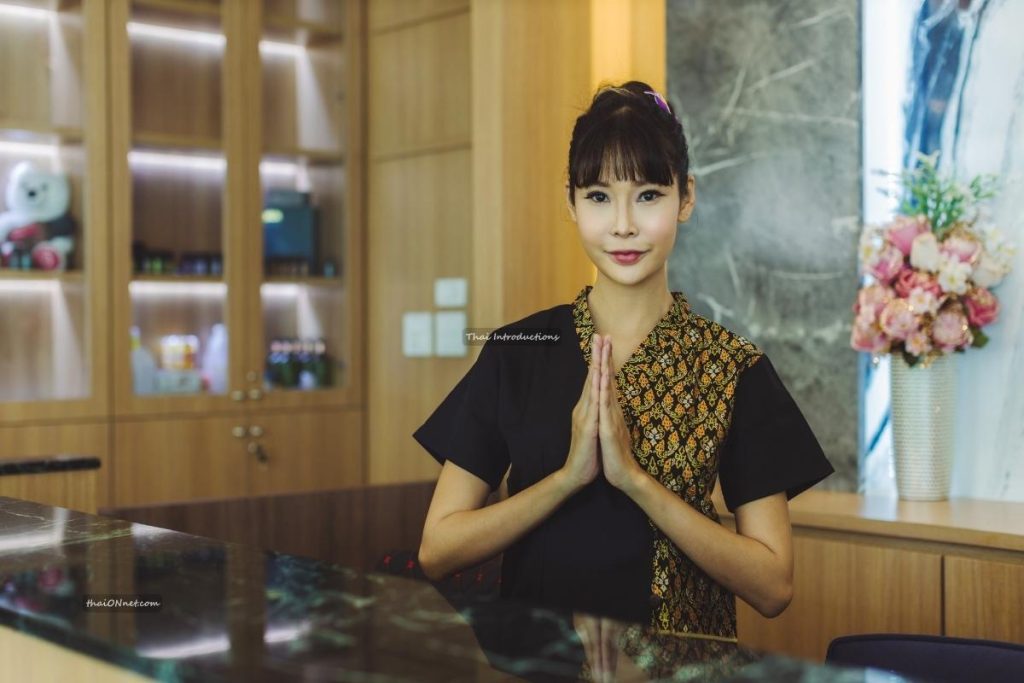
- The Thai Wai
- Keep First Conversations Simple
- Example Conversation Between Two People
- Example Conversation About Countries
- Example Conversation About Work
- Example Conversation About Language
- How To Respond When You Do Not Understand
- How To End The Conversation Politely
- Useful Introduction Pattern For Men
- Useful Introduction Pattern For Women
- Common Beginner Mistakes
- A Simple Practice Method
- Essential Questions To Remember
- Conclusion
- FAQ
- How Do You Say Hello In Thai?
- How Does A Man Say “My Name Is” In Thai?
- How Does A Woman Say “My Name Is” In Thai?
- How Do You Ask Someone’s Name?
- How Do You Say “Nice To Meet You” In Thai?
- How Do You Ask Where Someone Comes From?
- How Do You Ask What Someone Does For Work?
- How Do You Say You Speak A Little Thai?
- Do I Need To Use Khun In Every Question?
- How Can I End A Thai Introduction Politely?
Introduction
Introducing yourself is one of the first useful skills to learn in any language. A simple introduction can help you meet neighbours, colleagues, teachers, other parents, hotel staff, local business owners, and new friends.
Basic Thai introductions do not need to be long or complicated. A beginner can start with a polite greeting, say their name, mention where they come from, and ask one or two friendly questions.
For example:
สวัสดีครับ ผมชื่อเดวิดครับ
Sawasdee khrap. Phom chue David khrap.
Hello. My name is David.
A female speaker could say:
สวัสดีค่ะ ฉันชื่อแอนค่ะ
Sawasdee kha. Chan chue Ann kha.
Hello. My name is Ann.
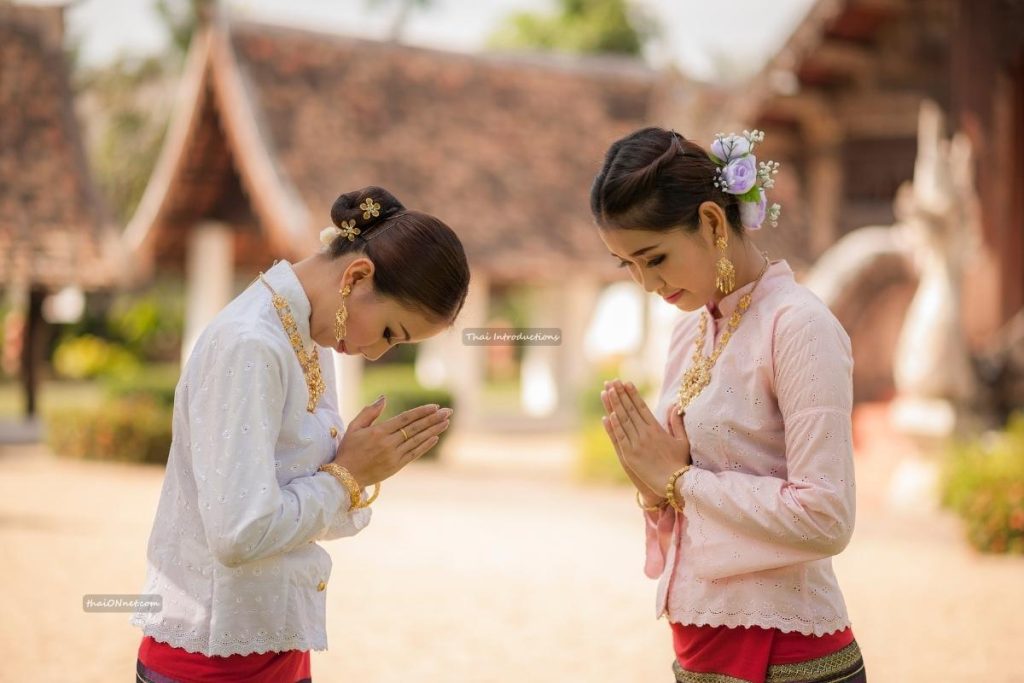
Thai speakers often use polite particles at the ends of sentences. Male speakers commonly use khrap, while female speakers commonly use kha. These small words make Thai introductions sound more respectful and natural.
This guide explains how to greet someone, say your name, ask another person’s name, talk about your country, work, family, and interests, and continue a short beginner conversation.
👉 “Readers practicing simple Thai introductions may also explore these everyday wellness habits inspired by Asian traditions for additional cultural context and conversation ideas.”
Begin With A Polite Thai Greeting
The standard polite greeting is:
สวัสดี — sawasdee — hello
Male speaker:
สวัสดีครับ
Sawasdee khrap.
Hello.
Female speaker:
สวัสดีค่ะ
Sawasdee kha.
Hello.
This greeting can be used at different times of the day. Thai does not require separate everyday greetings equivalent to “good morning,” “good afternoon,” and “good evening” in every situation.
Sawasdee is suitable for:
- Meeting someone for the first time
- Greeting a customer or colleague
- Entering a shop or office
- Speaking with an older person
- Beginning a polite conversation
- Answering a telephone call in a formal situation
Starting Thai introductions with sawasdee khrap or sawasdee kha is a safe choice for beginners.
Understanding Khrap And Kha
Polite particles usually appear at the end of a sentence.
Male speakers commonly use:
ครับ — khrap
Female speakers commonly use:
ค่ะ — kha
Examples:
สวัสดีครับ
Sawasdee khrap.
Hello. Said by a man.
สวัสดีค่ะ
Sawasdee kha.
Hello. Said by a woman.
The particle normally follows the speaker’s identity rather than the listener’s. A man speaking to a woman still commonly uses khrap, while a woman speaking to a man commonly uses kha.
In fast everyday speech, khrap may sound closer to khap, but beginners should learn the clear form first.
Using polite particles throughout Thai introductions helps the speaker sound friendly and respectful.
How A Man Says His Name
A male speaker can use:
ผมชื่อ… — phom chue… — my name is…
Example:
ผมชื่อปีเตอร์ครับ
Phom chue Peter khrap.
My name is Peter.
The sentence can be divided into:
- Phom — I, used by a male speaker
- Chue — name or be named
- Peter — the person’s name
- Khrap — male polite particle
Another example:
สวัสดีครับ ผมชื่อไมเคิลครับ
Sawasdee khrap. Phom chue Michael khrap.
Hello. My name is Michael.
This is one of the most useful patterns for beginner Thai introductions.
How A Woman Says Her Name
A female speaker can use:
ฉันชื่อ… — chan chue… — my name is…
Example:
ฉันชื่อซาร่าค่ะ
Chan chue Sarah kha.
My name is Sarah.
A more formal female pronoun is:
ดิฉัน — dichan — I
Example:
ดิฉันชื่อมาเรียค่ะ
Dichan chue Maria kha.
My name is Maria.
Dichan may sound appropriate in formal presentations, official situations, or customer service. Chan is often more natural in ordinary conversation.
Women may also use their own names instead of a pronoun:
แอนชื่อแอนค่ะ would be unnecessarily repetitive, but a woman may naturally use her name in later sentences, depending on the social setting.
For simple Thai introductions, chan chue…kha is a practical beginner pattern.
Ask Someone’s Name
A common polite question is:
คุณชื่ออะไรครับ/คะ
Khun chue arai khrap/kha?
What is your name?
Breakdown:
- Khun — you
- Chue — name
- Arai — what
- Khrap/kha — polite particle
Male speaker:
คุณชื่ออะไรครับ
Khun chue arai khrap?
Female speaker:
คุณชื่ออะไรคะ
Khun chue arai kha?
In a friendly situation, khun may be omitted:
ชื่ออะไรครับ/คะ
Chue arai khrap/kha?
What is your name?
Beginners can include khun because it makes the sentence structure clearer.
Using Khun Before A Name
The word:
คุณ — khun
can mean “you,” but it is also used as a respectful title before a name.
Examples:
คุณสมชาย
Khun Somchai
คุณมะลิ
Khun Mali
คุณเดวิด
Khun David
It works somewhat like Mr, Ms, or a polite general title, but it is not limited by marital status.
After someone tells you their name, you can use khun + name during the conversation:
คุณแอนมาจากไหนครับ
Khun Ann ma chak nai khrap?
Where are you from, Ann?
Using the person’s name can make Thai introductions warmer and easier to continue.
Say “Nice To Meet You”
A useful phrase is:
ยินดีที่ได้รู้จัก — yin di thi dai ru chak — pleased to meet you
Male speaker:
ยินดีที่ได้รู้จักครับ
Yin di thi dai ru chak khrap.
Nice to meet you.
Female speaker:
ยินดีที่ได้รู้จักค่ะ
Yin di thi dai ru chak kha.
Nice to meet you.
Breakdown:
- Yin di — pleased or glad
- Thi dai — that one has had the opportunity to
- Ru chak — know or become acquainted with
You do not need to analyse every word before using the phrase. Learn it as one complete expression.
It is especially useful in polite or slightly formal Thai introductions.
A More Casual Nice-To-Meet-You Expression
Thai speakers may use shorter or more relaxed phrases depending on the situation.
A simple friendly response can be:
ยินดีครับ/ค่ะ
Yin di khrap/kha.
My pleasure.
Pleased to meet you.
Another warm phrase is:
ดีใจที่ได้เจอกันครับ/ค่ะ
Di jai thi dai choe kan khrap/kha.
I am happy that we met.
For beginners, yin di thi dai ru chak remains the clearest standard phrase.
Ask Where Someone Comes From
A common question is:
คุณมาจากไหนครับ/คะ
Khun ma chak nai khrap/kha?
Where are you from?
Breakdown:
- Khun — you
- Ma — come
- Chak — from
- Nai — where
A more specific version is:
คุณมาจากประเทศอะไรครับ/คะ
Khun ma chak prathet arai khrap/kha?
Which country are you from?
This is a natural follow-up question during Thai introductions, especially when meeting international visitors or residents.
Say Where You Come From
Use:
ผมมาจาก… — phom ma chak… — I come from…
for a male speaker.
ฉันมาจาก… — chan ma chak… — I come from…
for a female speaker.
Examples:
ผมมาจากสวีเดนครับ
Phom ma chak Sweden khrap.
I come from Sweden.
ฉันมาจากอังกฤษค่ะ
Chan ma chak Angkrit kha.
I come from England.
ผมมาจากอเมริกาครับ
Phom ma chak Amerika khrap.
I come from America.
ฉันมาจากญี่ปุ่นค่ะ
Chan ma chak Yipun kha.
I come from Japan.
You can also say:
ผมเป็นคนสวีเดนครับ
Phom pen khon Sweden khrap.
I am Swedish.
The first pattern describes where you come from, while the second describes nationality.
Useful Country Names
Common country names include:
ประเทศไทย — prathet Thai — Thailand
สวีเดน — Sweden — Sweden
อังกฤษ — Angkrit — England
เยอรมนี — Yoeramani — Germany
ฝรั่งเศส — Farangset — France
อเมริกา — Amerika — America
ออสเตรเลีย — Australia — Australia
ญี่ปุ่น — Yipun — Japan
จีน — Chin — China
อินเดีย — India — India
When a country name is unfamiliar, saying it clearly in your normal pronunciation may still be understood. Listening to its Thai pronunciation will improve later conversations.
Ask Where Someone Lives
Use:
คุณอยู่ที่ไหนครับ/คะ
Khun yu thi nai khrap/kha?
Where do you live?
Where are you?
Because this question can also mean “Where are you now?”, a clearer question about someone’s residential area is:
คุณอยู่แถวไหนครับ/คะ
Khun yu thaeo nai khrap/kha?
Which area do you live in?
Example answer:
ผมอยู่กรุงเทพฯ ครับ
Phom yu Krung Thep khrap.
I live in Bangkok.
ฉันอยู่เชียงใหม่ค่ะ
Chan yu Chiang Mai kha.
I live in Chiang Mai.
ผมอยู่แถวลาดพร้าวครับ
Phom yu thaeo Lat Phrao khrap.
I live around Lat Phrao.
Asking for an exact home address may feel too personal when meeting someone for the first time. Asking about the city or general area is usually more comfortable.
Say How Long You Have Lived Somewhere
A useful pattern is:
อยู่…มา…ปีแล้ว — yu…ma…pi laeo — have lived in…for…years
Example:
ผมอยู่กรุงเทพฯ มาสิบปีแล้วครับ
Phom yu Krung Thep ma sip pi laeo khrap.
I have lived in Bangkok for ten years.
Another example:
ฉันอยู่เมืองไทยมาสองปีแล้วค่ะ
Chan yu mueang Thai ma song pi laeo kha.
I have lived in Thailand for two years.
A simpler beginner version is:
ผมอยู่กรุงเทพฯ สิบปีแล้วครับ
Phom yu Krung Thep sip pi laeo khrap.
I have lived in Bangkok for ten years.
This detail can help extend Thai introductions beyond only names and countries.
Ask Whether Someone Speaks Thai
Use:
คุณพูดภาษาไทยได้ไหมครับ/คะ
Khun phut phasa Thai dai mai khrap/kha?
Can you speak Thai?
A shorter version is:
พูดภาษาไทยได้ไหมครับ/คะ
Phut phasa Thai dai mai khrap/kha?
Possible answers include:
พูดได้นิดหน่อยครับ/ค่ะ
Phut dai nit noi khrap/kha.
I can speak a little.
พูดไม่ได้ครับ/ค่ะ
Phut mai dai khrap/kha.
I cannot speak it.
กำลังเรียนอยู่ครับ/ค่ะ
Kamlang rian yu khrap/kha.
I am currently learning.
This topic is especially natural during Thai introductions involving language learners.
Say That You Are Learning Thai
Male speaker:
ผมกำลังเรียนภาษาไทยครับ
Phom kamlang rian phasa Thai khrap.
I am learning Thai.
Female speaker:
ฉันกำลังเรียนภาษาไทยค่ะ
Chan kamlang rian phasa Thai kha.
I am learning Thai.
A simpler form is:
ผมเรียนภาษาไทยครับ
Phom rian phasa Thai khrap.
I study Thai.
To explain your level:
ผมพูดภาษาไทยได้นิดหน่อยครับ
Phom phut phasa Thai dai nit noi khrap.
I can speak a little Thai.
ยังพูดไม่เก่งครับ
Yang phut mai keng khrap.
I do not speak well yet.
These honest phrases can encourage the other person to speak slowly and help you practise.
Ask What Someone Does For Work
A common question is:
คุณทำงานอะไรครับ/คะ
Khun tham ngan arai khrap/kha?
What work do you do?
Another version is:
คุณทำอาชีพอะไรครับ/คะ
Khun tham achip arai khrap/kha?
What is your occupation?
The first version is usually easier for beginners and common in ordinary conversation.
Work is a frequent topic in Thai introductions, but it may not be appropriate in every social situation. Follow the other person’s level of formality and interest.
Say What You Do For Work
Use:
ผมเป็น… — phom pen… — I am a…
for a male speaker.
ฉันเป็น… — chan pen… — I am a…
for a female speaker.
Examples:
ผมเป็นโปรแกรมเมอร์ครับ
Phom pen programmer khrap.
I am a programmer.
ฉันเป็นครูค่ะ
Chan pen khru kha.
I am a teacher.
ผมเป็นที่ปรึกษาครับ
Phom pen thi prueksa khrap.
I am a consultant.
ฉันเป็นพ่อครัวค่ะ
Chan pen pho khrua kha.
I am a cook.
You can also use:
ผมทำงานด้านไอทีครับ
Phom tham ngan dan IT khrap.
I work in IT.
ฉันทำงานที่โรงแรมค่ะ
Chan tham ngan thi rongraem kha.
I work at a hotel.
Useful Job Words
Common job words include:
ครู — khru — teacher
หมอ — mo — doctor
พยาบาล — phayaban — nurse
วิศวกร — wisawakon — engineer
โปรแกรมเมอร์ — programmer — programmer
ที่ปรึกษา — thi prueksa — consultant
พ่อครัว — pho khrua — male cook
แม่ครัว — mae khrua — female cook
พนักงานบริษัท — phanakngan borisat — company employee
เจ้าของธุรกิจ — chao khong thurakit — business owner
Do not worry if your exact profession is difficult to translate. You can mention the general field:
ผมทำงานด้านการตลาดครับ
Phom tham ngan dan kan talat khrap.
I work in marketing.
Ask Where Someone Works
Use:
คุณทำงานที่ไหนครับ/คะ
Khun tham ngan thi nai khrap/kha?
Where do you work?
Answers:
ผมทำงานที่บ้านครับ
Phom tham ngan thi ban khrap.
I work at home.
ฉันทำงานที่โรงเรียนค่ะ
Chan tham ngan thi rongrian kha.
I work at a school.
ผมทำงานในกรุงเทพฯ ครับ
Phom tham ngan nai Krung Thep khrap.
I work in Bangkok.
This question can follow naturally after discussing occupations.
Talk About Your Family
A simple sentence is:
ผมมีครอบครัวแล้วครับ
Phom mi khropkhrua laeo khrap.
I have a family.
To say you have children:
ผมมีลูกหนึ่งคนครับ
Phom mi luk nueng khon khrap.
I have one child.
ฉันมีลูกสองคนค่ะ
Chan mi luk song khon kha.
I have two children.
To mention a daughter:
ผมมีลูกสาวหนึ่งคนครับ
Phom mi luk sao nueng khon khrap.
I have one daughter.
To mention a son:
ฉันมีลูกชายหนึ่งคนค่ะ
Chan mi luk chai nueng khon kha.
I have one son.
Family can be a friendly subject during Thai introductions, particularly among parents, neighbours, and colleagues.
Ask About Someone’s Family
Useful questions include:
คุณมีลูกไหมครับ/คะ
Khun mi luk mai khrap/kha?
Do you have children?
มีลูกกี่คนครับ/คะ
Mi luk ki khon khrap/kha?
How many children do you have?
ลูกอายุเท่าไหร่ครับ/คะ
Luk ayu thao rai khrap/kha?
How old is your child?
Personal questions can be common in Thai conversation, but comfort levels vary. It is sensible to begin with general topics and notice whether the person seems willing to continue.
Talk About Your Interests
Use:
ผมชอบ… — phom chop… — I like…
for a male speaker.
ฉันชอบ… — chan chop… — I like…
for a female speaker.
Examples:
ผมชอบอาหารไทยครับ
Phom chop ahaan Thai khrap.
I like Thai food.
ฉันชอบท่องเที่ยวค่ะ
Chan chop thong thiao kha.
I like travelling.
ผมชอบดูหนังครับ
Phom chop du nang khrap.
I like watching films.
ฉันชอบทำอาหารค่ะ
Chan chop tham ahaan kha.
I like cooking.
Interests are helpful in Thai introductions because they create opportunities for follow-up questions and shared topics.
Ask What Someone Likes
Use:
คุณชอบอะไรครับ/คะ
Khun chop arai khrap/kha?
What do you like?
More specific questions include:
คุณชอบอาหารอะไรครับ/คะ
Khun chop ahaan arai khrap/kha?
What food do you like?
คุณชอบทำอะไรเวลาว่างครับ/คะ
Khun chop tham arai wela wang khrap/kha?
What do you like doing in your free time?
คุณชอบเที่ยวที่ไหนครับ/คะ
Khun chop thiao thi nai khrap/kha?
Where do you like travelling?
These questions help the conversation move naturally beyond basic personal information.
Talk About Why You Are In Thailand
Useful patterns include:
ผมมาทำงานครับ
Phom ma tham ngan khrap.
I came to work.
ฉันมาเที่ยวค่ะ
Chan ma thiao kha.
I came for a holiday.
ผมมาอยู่กับครอบครัวครับ
Phom ma yu kap khropkhrua khrap.
I came to live with my family.
ฉันมาเรียนภาษาไทยค่ะ
Chan ma rian phasa Thai kha.
I came to study Thai.
A question is:
คุณมาเมืองไทยทำไมครับ/คะ
Khun ma mueang Thai thammai khrap/kha?
Why did you come to Thailand?
A softer and more natural beginner question may be:
คุณมาทำงานหรือมาเที่ยวครับ/คะ
Khun ma tham ngan rue ma thiao khrap/kha?
Did you come for work or for a holiday?
Mention Your Age Carefully
To say your age:
ผมอายุสี่สิบปีครับ
Phom ayu si sip pi khrap.
I am forty years old.
ฉันอายุสามสิบปีค่ะ
Chan ayu sam sip pi kha.
I am thirty years old.
To ask:
คุณอายุเท่าไหร่ครับ/คะ
Khun ayu thao rai khrap/kha?
How old are you?
Questions about age may be more common in some Thai social situations than in certain Western cultures. However, not everyone feels comfortable answering.
Beginners do not need to include age in every example of Thai introductions. Use it only when the conversation makes it relevant.
Use Names Instead Of Pronouns
Thai speakers often use their own names instead of “I” and the other person’s name instead of “you.”
A woman named Nok may say:
นกมาจากเชียงใหม่ค่ะ
Nok ma chak Chiang Mai kha.
I come from Chiang Mai.
Someone speaking to her may ask:
นกทำงานที่ไหนครับ
Nok tham ngan thi nai khrap?
Where do you work, Nok?
This use of names can sound natural and friendly. Beginners can first use phom, chan, and khun, then notice how Thai speakers use names in real conversations.
Pronouns May Be Omitted
Thai often removes pronouns when the meaning is clear.
Full question:
คุณชื่ออะไรครับ
Khun chue arai khrap?
What is your name?
Shorter version:
ชื่ออะไรครับ
Chue arai khrap?
What is your name?
Full answer:
ผมชื่อเจมส์ครับ
Phom chue James khrap.
Shorter answer in a clear context:
ชื่อเจมส์ครับ
Chue James khrap.
My name is James.
Including pronouns is helpful when learning the structure. Omitting them later can make Thai introductions sound more natural.
The Thai Wai
The wai is a traditional Thai greeting gesture made by placing the palms together near the chest or face and slightly lowering the head.
It may accompany:
สวัสดีครับ/ค่ะ
Sawasdee khrap/kha.
The appropriate height and use of the wai can depend on age, position, and context. Beginners do not need to perform it in every casual interaction.
General points include:
- Younger people often wai older people first
- Staff may wai customers or guests
- Friends may use a relaxed greeting
- A smile or slight nod may be enough in some situations
- People carrying objects may not return a wai physically
- Children and service situations can follow different social expectations
A polite verbal greeting remains the most important starting point.
Keep First Conversations Simple
A successful beginner introduction may contain only a few sentences:
สวัสดีครับ
Sawasdee khrap.
Hello.
ผมชื่อมาร์คครับ
Phom chue Mark khrap.
My name is Mark.
ผมมาจากออสเตรเลียครับ
Phom ma chak Australia khrap.
I come from Australia.
ตอนนี้อยู่กรุงเทพฯ ครับ
Ton ni yu Krung Thep khrap.
I currently live in Bangkok.
ยินดีที่ได้รู้จักครับ
Yin di thi dai ru chak khrap.
Nice to meet you.
This is enough for clear and polite Thai introductions.
Example Conversation Between Two People
A: สวัสดีครับ
Sawasdee khrap.
Hello.
B: สวัสดีค่ะ
Sawasdee kha.
Hello.
A: ผมชื่อแดเนียลครับ คุณชื่ออะไรครับ
Phom chue Daniel khrap. Khun chue arai khrap?
My name is Daniel. What is your name?
B: ฉันชื่อมะลิค่ะ
Chan chue Mali kha.
My name is Mali.
A: ยินดีที่ได้รู้จักครับ
Yin di thi dai ru chak khrap.
Nice to meet you.
B: ยินดีที่ได้รู้จักค่ะ
Yin di thi dai ru chak kha.
Nice to meet you.
This short exchange contains the central phrases needed for beginner Thai introductions.
Example Conversation About Countries
A: คุณมาจากไหนครับ
Khun ma chak nai khrap?
Where are you from?
B: ฉันมาจากญี่ปุ่นค่ะ แล้วคุณล่ะคะ
Chan ma chak Yipun kha. Laeo khun la kha?
I come from Japan. And you?
A: ผมมาจากสวีเดนครับ
Phom ma chak Sweden khrap.
I come from Sweden.
The useful expression:
แล้วคุณล่ะ — laeo khun la — and you?
helps return the same question without repeating the full sentence.
Male speaker:
แล้วคุณล่ะครับ
Laeo khun la khrap?
Female speaker:
แล้วคุณล่ะคะ
Laeo khun la kha?
Example Conversation About Work
A: คุณทำงานอะไรครับ
Khun tham ngan arai khrap?
What work do you do?
B: ฉันเป็นครูค่ะ แล้วคุณล่ะคะ
Chan pen khru kha. Laeo khun la kha?
I am a teacher. And you?
A: ผมทำงานด้านไอทีครับ
Phom tham ngan dan IT khrap.
I work in IT.
B: ทำงานที่กรุงเทพฯ ไหมคะ
Tham ngan thi Krung Thep mai kha?
Do you work in Bangkok?
A: ใช่ครับ
Chai khrap.
Yes.
Work-related exchanges can extend Thai introductions into a short natural conversation.
Example Conversation About Language
A: คุณพูดภาษาไทยได้ไหมครับ
Khun phut phasa Thai dai mai khrap?
Can you speak Thai?
B: พูดได้นิดหน่อยค่ะ กำลังเรียนอยู่ค่ะ
Phut dai nit noi kha. Kamlang rian yu kha.
I can speak a little. I am currently learning.
A: เรียนมานานหรือยังครับ
Rian ma nan rue yang khrap?
Have you been studying for long?
B: เรียนมาสามเดือนแล้วค่ะ
Rian ma sam duean laeo kha.
I have been studying for three months.
This exchange gives beginners useful language for explaining their current ability.
How To Respond When You Do Not Understand
Useful phrases include:
ไม่เข้าใจครับ/ค่ะ
Mai khao jai khrap/kha.
I do not understand.
พูดช้าๆ ได้ไหมครับ/คะ
Phut cha cha dai mai khrap/kha?
Can you speak slowly?
พูดอีกครั้งได้ไหมครับ/คะ
Phut ik khrang dai mai khrap/kha?
Can you say it again?
คำนี้แปลว่าอะไรครับ/คะ
Kham ni plae wa arai khrap/kha?
What does this word mean?
ผมยังพูดภาษาไทยไม่เก่งครับ
Phom yang phut phasa Thai mai keng khrap.
I do not speak Thai well yet.
These phrases allow Thai introductions to continue even when your vocabulary is limited.
How To End The Conversation Politely
You can say:
ยินดีที่ได้รู้จักครับ/ค่ะ
Yin di thi dai ru chak khrap/kha.
Nice to meet you.
ไว้เจอกันใหม่ครับ/ค่ะ
Wai choe kan mai khrap/kha.
See you again.
แล้วเจอกันครับ/ค่ะ
Laeo choe kan khrap/kha.
See you later.
ขอตัวก่อนนะครับ/คะ
Kho tua kon na khrap/kha.
Please excuse me; I need to leave.
ลาก่อนครับ/ค่ะ
La kon khrap/kha.
Goodbye.
La kon is understandable but may sound more final or formal than laeo choe kan, which is often more natural when expecting to meet again.
Useful Introduction Pattern For Men
A male beginner can use this complete pattern:
สวัสดีครับ ผมชื่อ…ครับ
Sawasdee khrap. Phom chue…khrap.
Hello. My name is…
ผมมาจาก…ครับ
Phom ma chak…khrap.
I come from…
ตอนนี้ผมอยู่…ครับ
Ton ni phom yu…khrap.
I currently live in…
ผมทำงานด้าน…ครับ
Phom tham ngan dan…khrap.
I work in…
ผมชอบ…ครับ
Phom chop…khrap.
I like…
ยินดีที่ได้รู้จักครับ
Yin di thi dai ru chak khrap.
Nice to meet you.
Useful Introduction Pattern For Women
A female beginner can use:
สวัสดีค่ะ ฉันชื่อ…ค่ะ
Sawasdee kha. Chan chue…kha.
Hello. My name is…
ฉันมาจาก…ค่ะ
Chan ma chak…kha.
I come from…
ตอนนี้ฉันอยู่…ค่ะ
Ton ni chan yu…kha.
I currently live in…
ฉันทำงานด้าน…ค่ะ
Chan tham ngan dan…kha.
I work in…
ฉันชอบ…ค่ะ
Chan chop…kha.
I like…
ยินดีที่ได้รู้จักค่ะ
Yin di thi dai ru chak kha.
Nice to meet you.
These reusable structures make Thai introductions easier to prepare and remember.
Common Beginner Mistakes
Forgetting Polite Particles
The sentence may still be understandable, but khrap and kha make first conversations more respectful.
Using Phom And Chan Incorrectly
Phom is commonly used by male speakers. Chan is commonly used by female speakers.
Repeating Khun In Every Sentence
Thai often omits “you” when the listener is obvious. Beginners can use khun, but it does not need to appear constantly.
Asking Too Many Personal Questions
Questions about salary, age, relationships, religion, politics, or exact home addresses may feel intrusive depending on the person and situation.
Speaking Too Quickly
Slow, clear speech is easier to understand than rushed sentences with unclear tones.
Memorising A Long Speech
A natural introduction is interactive. Leave space for the other person to answer and ask questions.
Translating Every English Sentence Directly
Thai often uses shorter sentences and omits pronouns when the meaning is clear.
Avoiding these mistakes makes Thai introductions friendlier and more natural.
A Simple Practice Method
Begin with your name:
ผมชื่อ…ครับ
Phom chue…khrap.
or:
ฉันชื่อ…ค่ะ
Chan chue…kha.
Add your country:
ผมมาจาก…ครับ
Phom ma chak…khrap.
Add where you live:
ตอนนี้อยู่…ครับ/ค่ะ
Ton ni yu…khrap/kha.
Add your work:
ทำงานด้าน…ครับ/ค่ะ
Tham ngan dan…khrap/kha.
Add one interest:
ชอบ…ครับ/ค่ะ
Chop…khrap/kha.
Practise the complete introduction slowly. Then practise answering the same questions in a different order.
This prepares you for real Thai introductions, where people may not follow a memorised script.
Essential Questions To Remember
คุณชื่ออะไรครับ/คะ
Khun chue arai khrap/kha?
What is your name?
คุณมาจากไหนครับ/คะ
Khun ma chak nai khrap/kha?
Where are you from?
คุณอยู่ที่ไหนครับ/คะ
Khun yu thi nai khrap/kha?
Where do you live?
คุณทำงานอะไรครับ/คะ
Khun tham ngan arai khrap/kha?
What work do you do?
คุณพูดภาษาไทยได้ไหมครับ/คะ
Khun phut phasa Thai dai mai khrap/kha?
Can you speak Thai?
คุณชอบทำอะไรครับ/คะ
Khun chop tham arai khrap/kha?
What do you like doing?
แล้วคุณล่ะครับ/คะ
Laeo khun la khrap/kha?
And you?
These questions are enough to support many beginner conversations.
👉 “Readers practicing beginner introductions may also explore simple ways to talk about time in Thai for more useful everyday conversation skills.”
Conclusion
Simple Thai introductions usually begin with sawasdee khrap for a male speaker or sawasdee kha for a female speaker.
A man can introduce himself with phom chue…khrap, while a woman can use chan chue…kha. Ask the other person’s name with khun chue arai khrap/kha.
Useful follow-up topics include where someone comes from, where they live, what work they do, whether they speak Thai, and what they enjoy doing. Use ma chak nai to ask where someone comes from and tham ngan arai to ask about their work.
The phrase yin di thi dai ru chak means “Nice to meet you” and is useful in polite Thai introductions.
Do not try to deliver a long memorised speech. Begin with two or three clear sentences and allow the other person to respond. Use laeo khun la to return a question by asking, “And you?”
Remember that Thai often omits pronouns when the speaker and listener are clear. Names may also replace words such as “I” and “you.”
Speak slowly, use polite particles, and keep the first conversation friendly. With a few reusable patterns, Thai introductions can become a comfortable way to practise pronunciation, vocabulary, questions, and everyday social communication.
FAQ
How Do You Say Hello In Thai?
Say sawasdee khrap if you are a male speaker or sawasdee kha if you are a female speaker.
How Does A Man Say “My Name Is” In Thai?
A man can say phom chue…khrap, followed by his name.
How Does A Woman Say “My Name Is” In Thai?
A woman can say chan chue…kha, followed by her name.
How Do You Ask Someone’s Name?
Say khun chue arai khrap/kha?
How Do You Say “Nice To Meet You” In Thai?
Say yin di thi dai ru chak khrap/kha.
How Do You Ask Where Someone Comes From?
Say khun ma chak nai khrap/kha?
How Do You Ask What Someone Does For Work?
Say khun tham ngan arai khrap/kha?
How Do You Say You Speak A Little Thai?
Say phut phasa Thai dai nit noi khrap/kha.
Do I Need To Use Khun In Every Question?
No. Thai speakers often omit khun when it is obvious who is being addressed.
How Can I End A Thai Introduction Politely?
Use laeo choe kan khrap/kha, meaning “See you,” or wai choe kan mai khrap/kha, meaning “See you again.”