




- Introduction
- Why Thai Herbal Wellness Is Popular In Thailand
- Thai Herbs In Everyday Life
- Lemongrass For Freshness
- Ginger For Warm Comfort
- Turmeric In Food And Body Care
- Pandan For A Soft Aroma
- Butterfly Pea And Roselle Drinks
- Thai Herbal Tea
- Thai Herbal Compresses
- Thai Massage And Herbal Wellness
- Herbal Foot Soaks
- Herbal Baths And Steam
- Thai Herbal Products In Markets
- Thai Herbal Wellness For Visitors
- Safety Tips Before Trying Thai Herbs
- Natural Does Not Always Mean Safe
- Respecting Thai Herbal Culture
- How To Build A Simple Herbal Wellness Routine
- Common Mistakes To Avoid
- Simple Checklist For Thai Herbal Wellness
- Conclusion
- FAQ
- What Is Thai Herbal Wellness?
- What Are Common Thai Herbs?
- Is Thai Herbal Wellness Medical Treatment?
- Can Visitors Try Thai Herbal Wellness In Thailand?
- Are Thai Herbal Products Safe?
- What Is A Thai Herbal Compress?
- Can I Use Thai Herbs During Pregnancy?
- What Is The Easiest Herb To Try?
- Should I Buy Herbal Products In Thai Markets?
- What Is The Best Way To Enjoy Thai Herbal Wellness?
Introduction
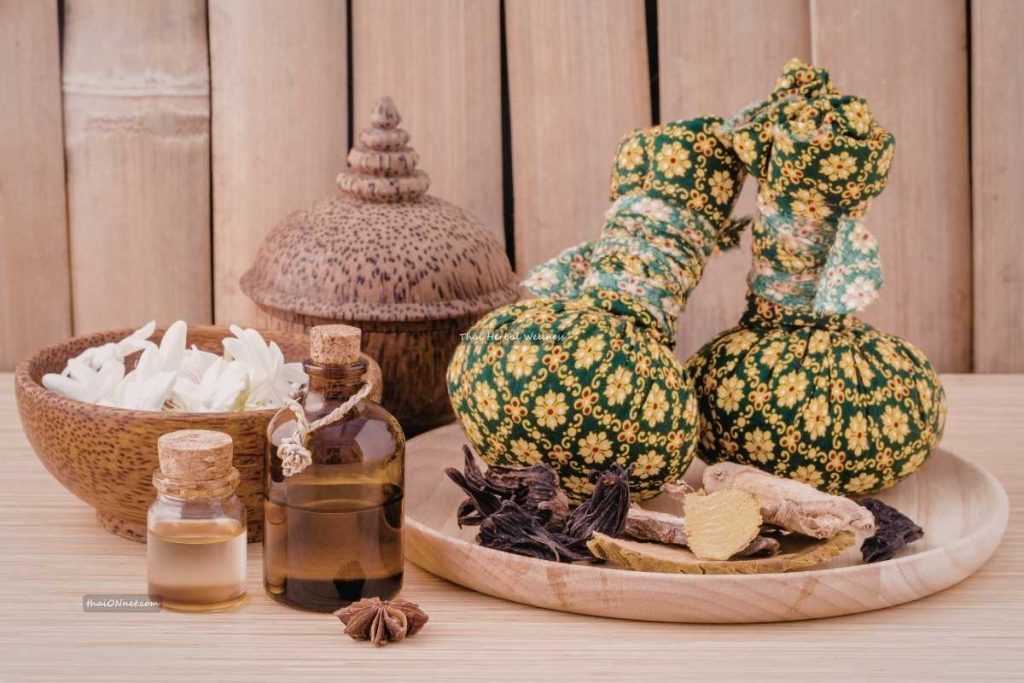
Thai Herbal Wellness is an important part of everyday life, traditional care, food culture, massage, spa routines, and home comfort in Thailand. Visitors often notice herbs in Thai food, herbal teas, massage compresses, foot soaks, balms, bath products, and local market stalls.
For many people, herbs are not only special ingredients. They are part of daily routines. Lemongrass may appear in soup and tea. Ginger may be used in warm drinks. Turmeric may be found in food and body care products. Pandan may be used in drinks and desserts. Kaffir lime may appear in cooking, hair care, and spa aromas.
This guide explains Thai Herbal Wellness in a simple and safe way for thaionnet.com readers. It is written for general lifestyle awareness, not medical advice. Herbs can be enjoyable and meaningful, but they should not replace professional care for serious health concerns.
👉 “Families exploring weekend markets in Bangkok may also enjoy these Thai Cooking Techniques And Tips For Beginners for simple ideas after buying local ingredients.”
Why Thai Herbal Wellness Is Popular In Thailand
Thai Herbal Wellness is popular because herbs are deeply connected to Thai daily life. Many Thai herbs are easy to find in markets, kitchens, spas, massage shops, gardens, and wellness products.
People may use herbs for:
- Cooking
- Tea
- Massage compresses
- Foot soaks
- Bath routines
- Aromas
- Balms
- Body care
- Steam rooms
- Traditional wellness
- Relaxation routines
- Seasonal drinks
- Home comfort
The appeal is simple. Thai herbs often smell fresh, taste lively, and make everyday routines feel more connected to nature.
Thai Herbs In Everyday Life
Thai herbs are not only used in formal wellness settings. Many are part of normal home cooking and daily habits.
Common Thai herbs and ingredients include:
- Lemongrass
- Ginger
- Galangal
- Turmeric
- Kaffir lime
- Pandan
- Butterfly pea
- Roselle
- Holy basil
- Thai basil
- Coriander
- Mint
- Tamarind
- Fingerroot
- Plai
These ingredients may appear in soups, curries, stir-fries, drinks, desserts, teas, oils, balms, and herbal compresses.
Thai Herbal Wellness often begins with these familiar everyday ingredients.
Lemongrass For Freshness
Lemongrass is one of the most recognisable Thai herbs. It has a fresh citrus-like scent and is common in soups, teas, spa products, and herbal compresses.
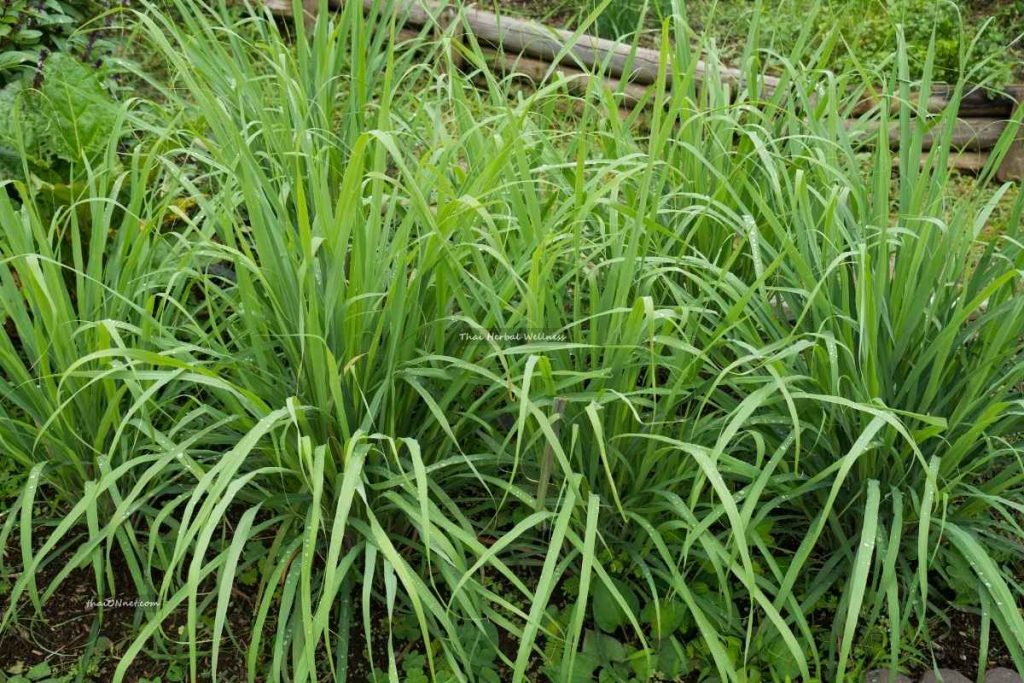
You may find lemongrass in:
- Tom yum soup
- Herbal tea
- Massage compresses
- Foot soaks
- Spa aromas
- Bath products
- Room sprays
- Natural soaps
Lemongrass is popular because it feels clean, bright, and refreshing. For visitors, it is often one of the first Thai herbal scents they remember.
Ginger For Warm Comfort
Ginger is widely used across Asia, including Thailand. It has a warm, spicy flavour and is often used in drinks, soups, desserts, and simple home routines.
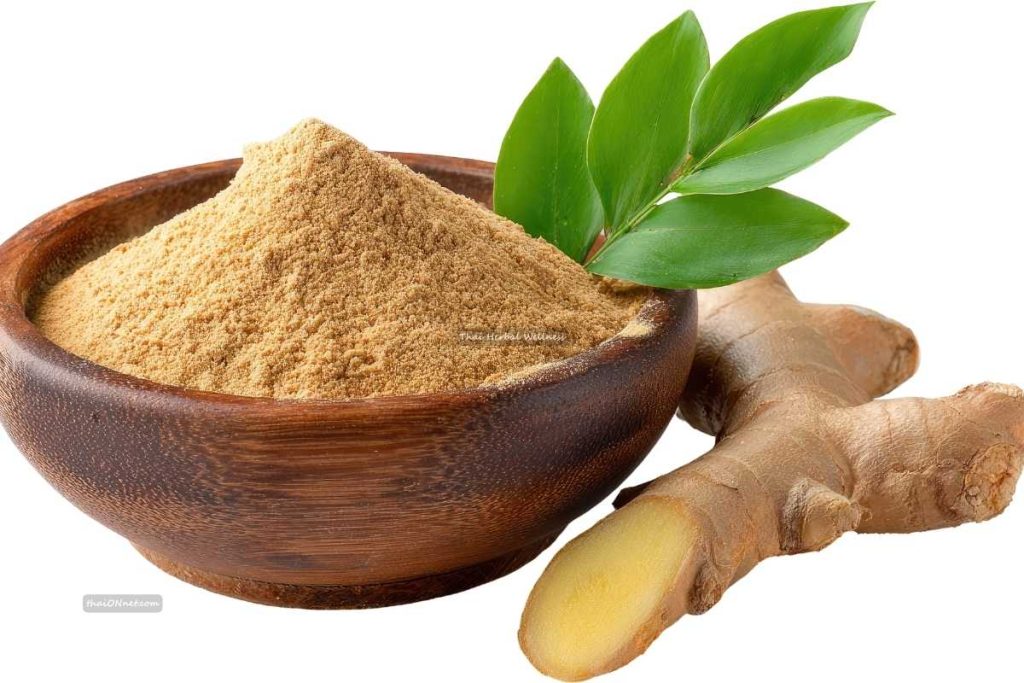
In Thailand, ginger may appear in:
- Warm ginger tea
- Chicken soup
- Herbal drinks
- Stir-fried dishes
- Desserts
- Massage products
- Herbal bath blends
Ginger can feel comforting, especially during rainy weather or after a long day. However, strong ginger products may not suit everyone, especially people taking medicine or those with certain health conditions.
Turmeric In Food And Body Care
Turmeric is known for its golden colour and earthy flavour. It is used in Thai cooking, herbal products, soaps, scrubs, and some traditional body care routines.
Turmeric may appear in:
- Southern Thai curries
- Herbal drinks
- Body scrubs
- Soaps
- Face masks
- Spa products
- Traditional herbal blends
Turmeric can stain skin, clothes, towels, and bathroom surfaces. It may also irritate sensitive skin if used too strongly.
Thai Herbal Wellness should always be gentle and realistic, especially when using colourful or strong ingredients.
Pandan For A Soft Aroma
Pandan is often used in Thai desserts, drinks, rice dishes, and home-style wellness routines. It has a soft, sweet, green aroma that many people find comforting.
Pandan may be used in:
- Pandan water
- Thai desserts
- Coconut drinks
- Rice dishes
- Herbal tea
- Home aromas
- Spa products
Its scent is mild and pleasant, which makes it popular in everyday Thai life.
Butterfly Pea And Roselle Drinks
Butterfly pea and roselle are popular in Thai herbal drinks. Butterfly pea is known for its blue colour, while roselle is known for its red colour and tart taste.
These drinks are often served:
- Iced
- Warm
- With honey
- With lime
- In cafés
- At markets
- In wellness shops
- At home
They are enjoyable as colourful drinks, but they should not be described as cures. They are best understood as part of Thai food and drink culture.
Thai Herbal Tea
Herbal tea is one of the easiest ways to experience Thai Herbal Wellness. Many visitors enjoy herbal tea because it is simple, gentle, and easy to find.
Common Thai-style herbal teas include:
- Lemongrass tea
- Ginger tea
- Pandan tea
- Butterfly pea tea
- Roselle tea
- Chrysanthemum tea
- Bael fruit tea
- Mint tea
A cup of herbal tea can become a small pause during the day. The routine matters as much as the herb itself.
If you are pregnant, breastfeeding, taking medicine, or dealing with health conditions, be cautious with strong herbal teas or supplements.
Thai Herbal Compresses
A Thai herbal compress is a cloth bundle filled with herbs and warmed before being applied to the body. It is often used in Thai massage and spa settings.
A herbal compress may include:
- Lemongrass
- Plai
- Turmeric
- Kaffir lime peel
- Tamarind leaves
- Camphor
- Ginger-like herbs
- Aromatic leaves
The warmth and aroma can feel relaxing, but a compress should be used safely. It should not feel too hot or painful.
Avoid herbal compresses on wounds, burns, fresh injuries, skin infections, numb areas, or very sensitive skin.
Thai Massage And Herbal Wellness
Thai massage is one of Thailand’s most well-known wellness traditions. Some massage sessions may include herbal compresses, balms, oils, or warm herbal products.
Thai massage may involve:
- Pressure
- Stretching
- Gentle movement
- Relaxation
- Foot massage
- Shoulder massage
- Herbal compress use
- Oil massage in some settings
Massage should feel professional, respectful, and suitable for your body. Tell the therapist if pressure is too strong or if you have injuries, pregnancy, pain, or health concerns.
Thai Herbal Wellness works best when combined with safe communication and realistic expectations.
Herbal Foot Soaks
Foot soaks are common in spa and home wellness routines. After walking, shopping, travelling, or standing all day, a warm foot soak can feel comforting.
A simple Thai-inspired foot soak may include:
- Warm water
- Lemongrass
- Ginger
- Pandan
- A clean towel
- Gentle breathing
- Comfortable seating
The water should be warm, not hot. Avoid foot soaks if you have open wounds, serious swelling, skin infection, reduced feeling in the feet, or circulation problems unless advised by a healthcare professional.
Herbal Baths And Steam
Some Thai wellness settings offer herbal baths or herbal steam. These may use aromatic herbs to create a relaxing environment.
Common ingredients may include:
- Lemongrass
- Kaffir lime
- Pandan
- Ginger
- Turmeric
- Tamarind leaves
- Plai
- Mint
Herbal steam and baths can feel relaxing, but they are not suitable for everyone. Be careful if you are pregnant, have heart concerns, feel dizzy, have asthma, or are sensitive to heat.
A wellness routine should never make you feel faint, overheated, or uncomfortable.
Thai Herbal Products In Markets
Visitors may see many herbal products in Thai markets, pharmacies, spas, and souvenir shops.
Common products include:
- Herbal balms
- Massage oils
- Herbal soaps
- Herbal teas
- Bath bags
- Compress balls
- Inhalers
- Foot soak packs
- Body scrubs
- Hair products
- Herbal drinks
- Skin care items
Before buying, check labels carefully. Look for ingredients, expiry date, instructions, warnings, and manufacturer details.
Avoid products that make strong medical claims or promise instant results.
Thai Herbal Wellness For Visitors
Visitors to Thailand can enjoy herbal wellness in simple ways without overcomplicating the experience.
Easy ideas include:
- Drink lemongrass tea
- Try a professional Thai massage
- Visit a local herb market
- Enjoy Thai soups with herbs
- Use mild herbal soap
- Try a warm foot soak
- Learn about Thai ingredients
- Choose a spa with clear prices
- Ask questions before treatments
- Avoid strong products if unsure
Thai Herbal Wellness should feel enjoyable, safe, and culturally respectful.
Safety Tips Before Trying Thai Herbs
Natural products can still cause reactions. Some herbs may not suit certain people or may interact with medication.
Be careful if you are:
- Pregnant
- Breastfeeding
- Taking prescription medicine
- Caring for a child
- Elderly
- Allergic to herbs or fragrance
- Sensitive to essential oils
- Living with chronic illness
- Recovering from surgery
- Experiencing skin irritation
- Unsure about ingredients
When in doubt, choose mild food-based experiences or ask a qualified healthcare professional.
Natural Does Not Always Mean Safe
One common mistake is thinking that natural always means safe. Herbs can be strong. Essential oils, supplements, balms, and concentrated products may affect the body differently from normal food ingredients.
Be cautious with:
- Strong herbal capsules
- Unknown herbal drinks
- Essential oils
- Homemade mixtures
- Concentrated extracts
- Products without labels
- Products with miracle claims
- Herbal products for children
- Products used during pregnancy
- Balms used near eyes or broken skin
Thai Herbal Wellness should be based on care, moderation, and good information.
Respecting Thai Herbal Culture
Thai herbal traditions deserve respect. They are connected to food, family knowledge, traditional medicine, massage, local markets, rural life, temples, and professional practice.
Respectful learning means:
- Avoiding stereotypes
- Not treating herbs as magic cures
- Learning ingredient names
- Asking before photographing vendors or practitioners
- Supporting responsible businesses
- Listening to qualified practitioners
- Respecting Thai culture
- Checking reliable information
- Understanding that traditions vary by region
A respectful visitor learns with curiosity, not with assumptions.
How To Build A Simple Herbal Wellness Routine
A simple routine can include a few gentle habits.
You might try:
- Morning water or herbal tea
- Thai herbs in meals
- Walking after dinner
- Gentle stretching
- Thai massage from a professional shop
- Herbal foot soak once in a while
- Mild herbal soap
- Calm evening tea
- Screen-free time before sleep
- Fresh fruit and light meals
This kind of routine is easy to adjust and does not depend on strong products.
Thai Herbal Wellness is often most useful when it becomes part of everyday balance.
Common Mistakes To Avoid
Avoid these common mistakes:
- Using too many herbs at once
- Believing miracle claims
- Replacing medical care with herbs
- Ignoring allergies
- Using strong oils directly on skin
- Buying products without labels
- Assuming all herbs are safe
- Trying strong products while pregnant
- Giving strong herbs to children
- Ignoring medication interactions
- Staying in hot steam too long
- Accepting painful massage pressure
- Carrying herbal products across borders without checking rules
Simple habits are usually better than risky experiments.
Simple Checklist For Thai Herbal Wellness
Use this checklist before trying a new herbal routine:
- I know what herb or product I am using
- I checked the label
- I checked the expiry date
- I understand the instructions
- I checked for allergies
- I am not replacing medical care
- I will stop if I feel unwell
- I will avoid strong products if pregnant or breastfeeding
- I will be careful with children
- I will ask a professional if taking medicine
- I will avoid miracle claims
- I will keep the routine gentle
This checklist can help make herbal wellness safer and more practical.
👉 “Readers learning about Thai herbal wellness may also enjoy these Relaxing Wellness Ideas For Families In Bangkok.”
Conclusion
Thai Herbal Wellness is a simple and meaningful way to explore Thailand’s connection with herbs, food, massage, body care, aromas, and everyday comfort. From lemongrass tea and ginger drinks to herbal compresses, foot soaks, Thai massage, and local market products, herbs are part of many Thai lifestyle experiences.
For thaionnet.com readers, the best approach is to enjoy Thai herbs with curiosity and care. Choose mild routines, check labels, avoid strong claims, and remember that herbs are not a replacement for medical care.
Thai Herbal Wellness is not about quick fixes. It is about small habits that support relaxation, comfort, and appreciation for Thai culture.
With a careful and respectful approach, visitors and residents can enjoy Thai herbal traditions as part of everyday life in Thailand.
FAQ
What Is Thai Herbal Wellness?
Thai Herbal Wellness refers to Thai-inspired wellness habits that use herbs in food, tea, massage, compresses, baths, foot soaks, aromas, and daily routines.
What Are Common Thai Herbs?
Common Thai herbs include lemongrass, ginger, galangal, turmeric, kaffir lime, pandan, butterfly pea, roselle, holy basil, Thai basil, plai, and mint.
Is Thai Herbal Wellness Medical Treatment?
No. This article is for general lifestyle awareness. Herbs and wellness routines should not replace medical care for serious health concerns.
Can Visitors Try Thai Herbal Wellness In Thailand?
Yes. Visitors can try gentle options such as herbal tea, Thai massage, foot soaks, spa products, Thai soups, and local herb markets.
Are Thai Herbal Products Safe?
Not always. Check labels, ingredients, expiry dates, warnings, and product claims. Avoid products that promise miracle results.
What Is A Thai Herbal Compress?
A Thai herbal compress is a warm cloth bundle filled with herbs, often used during Thai massage or spa treatments.
Can I Use Thai Herbs During Pregnancy?
Pregnant people should be careful with herbs, essential oils, supplements, steam, and strong products. Ask a qualified healthcare professional first.
What Is The Easiest Herb To Try?
Lemongrass tea or ginger tea can be simple beginner-friendly options, as long as they suit your body and health situation.
Should I Buy Herbal Products In Thai Markets?
You can, but check labels carefully and avoid products with unclear ingredients or strong medical claims.
What Is The Best Way To Enjoy Thai Herbal Wellness?
The best way is to keep it simple, choose mild habits, respect Thai culture, and use herbs as part of everyday wellness rather than as miracle cures.