






- Introduction
- Thai Verbs Do Not Have English-Style Tenses
- Using Time Words For Past Actions
- Time At The Beginning Or End
- Using Laeo For Completed Actions
- Time Words Versus Laeo
- Laeo Can Show A Changed Situation
- Saying A Past Action Did Not Happen
- Mai Verb Versus Mai Dai Verb
- Using Khoei For Past Experience
- Saying “Never” With Mai Khoei
- Asking About Past Experiences
- Asking Whether Something Has Happened Yet
- Yang Mai For An Incomplete Action
- Talking About An Action That Was Ongoing
- Using Cha For Future Actions
- Future Time Words
- Cha Is Sometimes Optional
- Asking About Future Plans
- Saying “Going To” With Kamlang Cha
- Saying “Plan To” With Mi Phaen Cha
- Saying “Intend To” With Tang Jai Cha
- Saying “Want To” With Yak
- Saying “Hope To” With Wang Wa
- Saying “Probably” With Khong Cha
- Saying “Maybe” With At Cha
- Making Future Actions Negative
- Cannot Versus Will Not
- Asking Whether A Future Action Will Happen
- Asking When A Future Action Will Happen
- Talking About A Schedule
- Linking Past Actions
- Linking Future Actions
- Talking About Dates
- Polite Particles
- Subjects May Be Omitted
- Useful Past Sentences
- Useful Future Sentences
- Common Beginner Mistakes
- A Simple Practice Method
- Essential Patterns To Remember
- Conclusion
- FAQ
- Do Thai Verbs Change For Past And Future Actions?
- How Do You Show A Past Action In Thai?
- What Does Laeo Mean?
- How Do You Say A Past Action Did Not Happen?
- How Do You Talk About Past Experience?
- How Do You Say “Not Yet” In Thai?
- How Do You Express The Future In Thai?
- Is Cha Always Necessary?
- How Do You Say “About To” In Thai?
- How Do You Make A Future Sentence Negative?
Introduction
Talking about yesterday, tomorrow, completed activities, future plans, and previous experiences is an important part of everyday communication. Fortunately, explaining past and future actions in Thai is often simpler than using past and future verb forms in English.
Thai verbs normally remain unchanged.
For example:
กิน — kin — eat
The verb kin does not change into a separate form meaning ate or will eat. Instead, Thai speakers add time expressions, completion words, future markers, and contextual information.
Compare:
เมื่อวานผมกินข้าว
Muea wan phom kin khao.
Yesterday, I ate.
พรุ่งนี้ผมจะกินข้าวที่ร้านนี้
Phrung ni phom cha kin khao thi ran ni.
Tomorrow, I will eat at this restaurant.
The main verb kin remains the same in both sentences.
Understanding past and future actions in Thai therefore depends less on changing verbs and more on learning words such as muea wan for yesterday, laeo for already, khoei for past experience, and cha for future actions or intentions.
This guide explains the most useful patterns with Thai script, clear romanisation, English meanings, and practical examples for beginners.
👉 “Readers practicing how to discuss past and future actions in Thai may also explore traditional food customs found across Asia for additional cultural context and useful conversation topics.”
Thai Verbs Do Not Have English-Style Tenses
English verbs may change according to time:
- Eat
- Ate
- Will eat
- Have eaten
- Was eating
Thai usually keeps the verb unchanged and adds context.
Examples:
ผมทำงาน
Phom tham ngan.
I work.
I am working.
I worked, depending on context.
Add a time word:
เมื่อวานผมทำงาน
Muea wan phom tham ngan.
Yesterday, I worked.

Add a future marker:
พรุ่งนี้ผมจะทำงาน
Phrung ni phom cha tham ngan.
Tomorrow, I will work.
This is the central principle behind past and future actions in Thai.
Time may be shown by:
- A date or time expression
- A completion marker
- A future marker
- A word showing experience
- The wider conversation
- A combination of several signals
Using Time Words For Past Actions
A clear time expression may be enough to show that an action happened in the past.
Common past time expressions include:
เมื่อวาน — muea wan — yesterday
เมื่อวานนี้ — muea wan ni — yesterday
เมื่อคืน — muea khuen — last night
เมื่อเช้า — muea chao — this morning or earlier this morning
อาทิตย์ที่แล้ว — athit thi laeo — last week
เดือนที่แล้ว — duean thi laeo — last month
ปีที่แล้ว — pi thi laeo — last year
Examples:
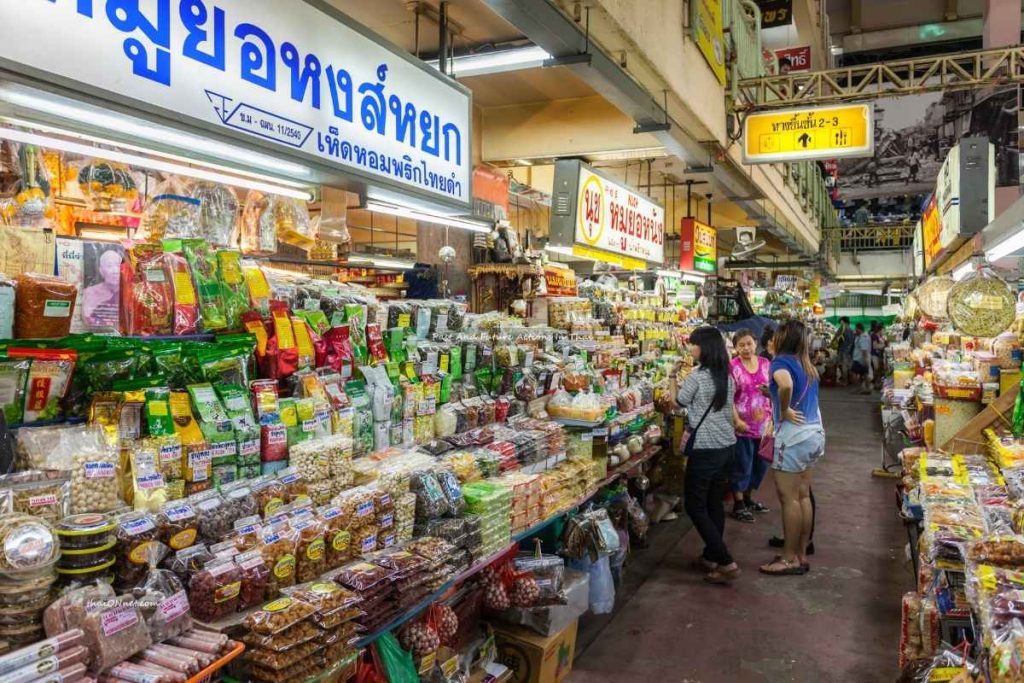
เมื่อวานผมไปตลาดครับ
Muea wan phom pai talat khrap.
Yesterday, I went to the market.
เมื่อคืนฉันดูหนังค่ะ
Muea khuen chan du nang kha.
Last night, I watched a film.
อาทิตย์ที่แล้วเราไปเชียงใหม่
Athit thi laeo rao pai Chiang Mai.
Last week, we went to Chiang Mai.
A time word can appear at the beginning or end of the sentence when discussing past and future actions in Thai.
Time At The Beginning Or End
Thai time expressions are flexible.
At the beginning:
เมื่อวานเขาไม่มาทำงาน
Muea wan khao mai ma tham ngan.
Yesterday, he or she did not come to work.
At the end:
เขาไม่มาทำงานเมื่อวาน
Khao mai ma tham ngan muea wan.
He or she did not come to work yesterday.
Placing the time expression first gives it more emphasis and makes the timing clear immediately.
Beginners may find it easier to begin with the time expression:
Time + subject + verb + object
This structure works well for both past and future actions in Thai.
Using Laeo For Completed Actions
The word:
แล้ว — laeo — already, completed, now, or then
often appears after a verb or verb phrase.
Examples:
ผมกินข้าวแล้วครับ
Phom kin khao laeo khrap.
I have eaten already.
เขากลับบ้านแล้ว
Khao klap ban laeo.
He or she has gone home.
งานเสร็จแล้วค่ะ
Ngan set laeo kha.
The work is finished now.
ร้านปิดแล้ว
Ran pit laeo.
The shop is closed now.
The common pattern is:
Subject + verb + object + laeo
When learning past and future actions in Thai, remember that laeo does not simply equal an English past-tense ending. It often emphasises completion or a change in the situation.
Time Words Versus Laeo
Compare:
เมื่อวานผมกินข้าวที่ร้านนี้
Muea wan phom kin khao thi ran ni.
Yesterday, I ate at this restaurant.
This sentence tells us when the action happened.
ผมกินข้าวแล้ว
Phom kin khao laeo.
I have eaten already.
This sentence emphasises that the action is complete.
They can also appear together:
เมื่อเช้าผมกินข้าวแล้วครับ
Muea chao phom kin khao laeo khrap.
I ate earlier this morning.
I have already eaten this morning.
Time expressions and laeo can therefore provide different information about the same action.
Laeo Can Show A Changed Situation
The word laeo may show that something is now different.
Examples:
ผมพร้อมแล้วครับ
Phom phrom laeo khrap.
I am ready now.
เด็กหลับแล้วค่ะ
Dek lap laeo kha.
The child is asleep now.
ฝนหยุดแล้ว
Fon yut laeo.
The rain has stopped now.
เขาไม่อยู่ที่นี่แล้ว
Khao mai yu thi ni laeo.
He or she is no longer here.
This use is important because not every sentence with laeo describes a completed physical action. It may describe a new condition.
Saying A Past Action Did Not Happen
Thai often uses:
ไม่ได้ — mai dai — did not
before a verb when talking about a specific action that did not happen.
The common pattern is:
Subject + mai dai + verb
Examples:
เมื่อวานผมไม่ได้ไปทำงานครับ
Muea wan phom mai dai pai tham ngan khrap.
Yesterday, I did not go to work.
เขาไม่ได้โทรมาค่ะ
Khao mai dai thorasap ma kha.
He or she did not call.
เราไม่ได้ซื้ออะไร
Rao mai dai sue arai.
We did not buy anything.
ฉันไม่ได้กินอาหารเช้าค่ะ
Chan mai dai kin ahaan chao kha.
I did not eat breakfast.
This is a useful pattern for negative past and future actions in Thai, especially when referring to a specific past event.
Mai Verb Versus Mai Dai Verb
Compare:
ผมไม่กินเนื้อ
Phom mai kin nuea.
I do not eat meat.
This may describe a habit or general choice.
เมื่อวานผมไม่ได้กินเนื้อ
Muea wan phom mai dai kin nuea.
Yesterday, I did not eat meat.
This refers to a specific past action.
Another comparison:
เขาไม่ไปทำงาน
Khao mai pai tham ngan.
He or she does not go to work.
He or she is not going to work.
เมื่อวานเขาไม่ได้ไปทำงาน
Muea wan khao mai dai pai tham ngan.
Yesterday, he or she did not go to work.
The time expression and placement of mai dai clarify the past meaning.
Using Khoei For Past Experience
The word:
เคย — khoei — have ever, used to, previously experienced
appears before the main verb.
Examples:
ผมเคยไปภูเก็ตครับ
Phom khoei pai Phuket khrap.
I have been to Phuket.
ฉันเคยกินอาหารนี้ค่ะ
Chan khoei kin ahaan ni kha.
I have eaten this food before.
เขาเคยทำงานที่นี่
Khao khoei tham ngan thi ni.
He or she used to work here.
คุณเคยเรียนภาษาไทยไหมครับ
Khun khoei rian phasa Thai mai khrap?
Have you ever studied Thai?
Use khoei when discussing experiences rather than one clearly dated event.
This is one of the most useful markers for past and future actions in Thai.
Saying “Never” With Mai Khoei
The negative form is:
ไม่เคย — mai khoei — have never, never
Examples:
ผมไม่เคยไปเชียงรายครับ
Phom mai khoei pai Chiang Rai khrap.
I have never been to Chiang Rai.
ฉันไม่เคยขับรถในไทยค่ะ
Chan mai khoei khap rot nai Thai kha.
I have never driven in Thailand.
เขาไม่เคยมาสาย
Khao mai khoei ma sai.
He or she is never late.
เราไม่เคยเจอกันมาก่อน
Rao mai khoei choe kan ma kon.
We have never met before.
The phrase:
มาก่อน — ma kon — before
may be added for emphasis.
Asking About Past Experiences
A common pattern is:
Khoei + verb + mai?
Examples:
เคยไปประเทศไทยไหมครับ
Khoei pai prathet Thai mai khrap?
Have you ever been to Thailand?
เคยกินทุเรียนไหมคะ
Khoei kin thurian mai kha?
Have you ever eaten durian?
เคยนั่งรถไฟไทยไหมครับ
Khoei nang rot fai Thai mai khrap?
Have you ever taken a Thai train?
Possible answers:
เคยครับ/ค่ะ
Khoei khrap/kha.
Yes, I have.
ไม่เคยครับ/ค่ะ
Mai khoei khrap/kha.
No, I have never done that.
This question-and-answer pattern is easy to use when discussing past experiences.
Asking Whether Something Has Happened Yet
Thai commonly uses:
…หรือยัง — rue yang — …yet?
Examples:
กินข้าวหรือยังครับ
Kin khao rue yang khrap?
Have you eaten yet?
ทำงานเสร็จหรือยังคะ
Tham ngan set rue yang kha?
Have you finished the work yet?
เขามาหรือยังครับ
Khao ma rue yang khrap?
Has he or she arrived yet?
Positive answer:
แล้วครับ/ค่ะ
Laeo khrap/kha.
Yes, already.
Or:
กินแล้วครับ
Kin laeo khrap.
Yes, I have eaten.
Negative answer:
ยังครับ/ค่ะ
Yang khrap/kha.
Not yet.
Or:
ยังไม่เสร็จค่ะ
Yang mai set kha.
It is not finished yet.
Yang Mai For An Incomplete Action
The expression:
ยังไม่ — yang mai — not yet
appears before the verb or adjective.
Examples:
ผมยังไม่กินข้าวครับ
Phom yang mai kin khao khrap.
I have not eaten yet.
เขายังไม่มา
Khao yang mai ma.
He or she has not arrived yet.
เรายังไม่ตัดสินใจ
Rao yang mai tatsin jai.
We have not decided yet.
งานยังไม่เสร็จค่ะ
Ngan yang mai set kha.
The work is not finished yet.
The phrase yang mai is useful because it implies that the action may happen later.
Talking About An Action That Was Ongoing
Thai may use:
กำลัง — kamlang — currently in the process of
with a past time expression when context shows that the action was ongoing then.
Examples:
เมื่อวานตอนสองโมงผมกำลังทำงานอยู่ครับ
Muea wan ton song mong phom kamlang tham ngan yu khrap.
Yesterday at two o’clock, I was working.
ตอนที่คุณโทรมา ฉันกำลังกินข้าวค่ะ
Ton thi khun thorasap ma, chan kamlang kin khao kha.
When you called, I was eating.
ตอนนั้นเขากำลังขับรถอยู่
Ton nan khao kamlang khap rot yu.
At that time, he or she was driving.
The words kamlang and yu show continuation, while the time expression places the action in the past.
Using Cha For Future Actions
The most common future marker is:
จะ — cha — will, going to, intend to
It appears before the main verb.
The pattern is:
Subject + cha + verb
Examples:
ผมจะไปเชียงใหม่ครับ
Phom cha pai Chiang Mai khrap.
I will go to Chiang Mai.
เขาจะมาพรุ่งนี้
Khao cha ma phrung ni.
He or she will come tomorrow.
เราจะกินข้าวที่บ้าน
Rao cha kin khao thi ban.
We will eat at home.
ฉันจะโทรหาคุณค่ะ
Chan cha thorasap ha khun kha.
I will call you.
The word cha is central to discussing future actions in Thai.
Future Time Words
Common future time expressions include:
พรุ่งนี้ — phrung ni — tomorrow
มะรืนนี้ — maruen ni — the day after tomorrow
อาทิตย์หน้า — athit na — next week
เดือนหน้า — duean na — next month
ปีหน้า — pi na — next year
ภายหลัง — phai lang — later
อีกสักครู่ — ik sak khru — in a little while
Examples:
พรุ่งนี้ผมจะทำงานที่บ้านครับ
Phrung ni phom cha tham ngan thi ban khrap.
Tomorrow, I will work at home.
อาทิตย์หน้าเราจะไปทะเล
Athit na rao cha pai thale.
Next week, we will go to the sea.
ปีหน้าเขาจะย้ายบ้าน
Pi na khao cha yai ban.
Next year, he or she will move house.
These expressions make past and future actions in Thai clear even when the wider context is limited.
Cha Is Sometimes Optional
When a future time word already makes the meaning clear, cha may be omitted.
With cha:
พรุ่งนี้ผมจะไปตลาด
Phrung ni phom cha pai talat.
Tomorrow, I will go to the market.
Without cha:
พรุ่งนี้ผมไปตลาด
Phrung ni phom pai talat.
Tomorrow, I am going to the market.
Both are understandable.
Using cha makes the future intention more explicit, while omitting it may sound natural in casual conversation when the time is already clear.
Asking About Future Plans
Useful question patterns include:
จะไปไหนครับ/คะ
Cha pai nai khrap/kha?
Where will you go?
จะทำอะไรครับ/คะ
Cha tham arai khrap/kha?
What will you do?
จะมาเมื่อไหร่ครับ/คะ
Cha ma muea rai khrap/kha?
When will you come?
พรุ่งนี้ว่างไหมครับ/คะ
Phrung ni wang mai khrap/kha?
Are you free tomorrow?
อาทิตย์หน้ามีแผนอะไรครับ/คะ
Athit na mi phaen arai khrap/kha?
What plans do you have next week?
These questions are practical for arranging meetings, trips, meals, and family activities.
Saying “Going To” With Kamlang Cha
The expression:
กำลังจะ — kamlang cha — about to, just going to
shows that an action will happen very soon.
Examples:
ผมกำลังจะออกจากบ้านครับ
Phom kamlang cha ok chak ban khrap.
I am about to leave home.
เขากำลังจะมาค่ะ
Khao kamlang cha ma kha.
He or she is about to come.
ฝนกำลังจะตก
Fon kamlang cha tok.
It is about to rain.
ร้านกำลังจะปิดครับ
Ran kamlang cha pit khrap.
The shop is about to close.
This is more immediate than ordinary cha.
Saying “Plan To” With Mi Phaen Cha
The phrase:
มีแผนจะ — mi phaen cha — plan to
is useful for future plans.
Examples:
ผมมีแผนจะเรียนภาษาไทยครับ
Phom mi phaen cha rian phasa Thai khrap.
I plan to study Thai.
เรามีแผนจะไปภูเก็ตเดือนหน้า
Rao mi phaen cha pai Phuket duean na.
We plan to go to Phuket next month.
เขามีแผนจะเปลี่ยนงาน
Khao mi phaen cha plian ngan.
He or she plans to change jobs.
The word phaen means plan.
This form is useful when the future action is organised but may not be completely certain.
Saying “Intend To” With Tang Jai Cha
The expression:
ตั้งใจจะ — tang jai cha — intend to
shows a serious intention.
Examples:
ผมตั้งใจจะฝึกพูดทุกวันครับ
Phom tang jai cha fuek phut thuk wan khrap.
I intend to practise speaking every day.
ฉันตั้งใจจะทำงานให้เสร็จวันนี้ค่ะ
Chan tang jai cha tham ngan hai set wan ni kha.
I intend to finish the work today.
เขาตั้งใจจะประหยัดเงิน
Khao tang jai cha prayat ngoen.
He or she intends to save money.
This expression is stronger than simply stating a casual future action.
Saying “Want To” With Yak
The word:
อยาก — yak — want to
appears before a verb.
Examples:
ผมอยากไปเชียงใหม่ครับ
Phom yak pai Chiang Mai khrap.
I want to go to Chiang Mai.
ฉันอยากเรียนภาษาไทยค่ะ
Chan yak rian phasa Thai kha.
I want to learn Thai.
เราอยากซื้อบ้านในอนาคต
Rao yak sue ban nai anakhot.
We want to buy a house in the future.
Wanting something is not the same as planning or definitely doing it. This distinction matters when discussing future actions in Thai.
Saying “Hope To” With Wang Wa
The phrase:
หวังว่า — wang wa — hope that
can introduce a future hope.
Examples:
หวังว่าพรุ่งนี้ฝนจะไม่ตกครับ
Wang wa phrung ni fon cha mai tok khrap.
I hope it will not rain tomorrow.
ฉันหวังว่าเขาจะมาค่ะ
Chan wang wa khao cha ma kha.
I hope he or she will come.
เราหวังว่าจะได้เจอกันอีก
Rao wang wa cha dai choe kan ik.
We hope we will meet again.
This structure is useful for future possibilities that are not fully under the speaker’s control.
Saying “Probably” With Khong Cha
The expression:
คงจะ — khong cha — probably will
shows expectation or probability.
Examples:
พรุ่งนี้คงจะร้อนครับ
Phrung ni khong cha ron khrap.
Tomorrow will probably be hot.
เขาคงจะมาสายค่ะ
Khao khong cha ma sai kha.
He or she will probably arrive late.
ร้านคงจะปิดแล้ว
Ran khong cha pit laeo.
The shop has probably closed already.
In spoken Thai, cha may sometimes be omitted:
เขาคงมาพรุ่งนี้
Khao khong ma phrung ni.
He or she will probably come tomorrow.
Saying “Maybe” With At Cha
The expression:
อาจจะ — at cha — may, might, perhaps
shows possibility.
Examples:
ผมอาจจะไปพรุ่งนี้ครับ
Phom at cha pai phrung ni khrap.
I may go tomorrow.
เขาอาจจะไม่ว่างค่ะ
Khao at cha mai wang kha.
He or she may not be available.
ฝนอาจจะตกตอนเย็น
Fon at cha tok ton yen.
It may rain in the evening.
เราอาจจะเปลี่ยนแผน
Rao at cha plian phaen.
We may change the plan.
This is useful when a future action is uncertain.
Making Future Actions Negative
Place mai before the main verb or relevant expression.
Examples:
พรุ่งนี้ผมจะไม่ไปทำงานครับ
Phrung ni phom cha mai pai tham ngan khrap.
Tomorrow, I will not go to work.
เขาจะไม่มาค่ะ
Khao cha mai ma kha.
He or she will not come.
เราจะไม่ซื้ออันนี้
Rao cha mai sue an ni.
We will not buy this.
The common pattern is:
Subject + cha + mai + verb
This order is important when discussing negative future actions in Thai.
Cannot Versus Will Not
Compare:
ผมจะไม่ไป
Phom cha mai pai.
I will not go.
ผมไปไม่ได้
Phom pai mai dai.
I cannot go.
The first is a future decision or prediction.
The second expresses inability or impossibility.
Another comparison:
เขาจะไม่มา
Khao cha mai ma.
He or she will not come.
เขามาไม่ได้
Khao ma mai dai.
He or she cannot come.
Choosing the correct pattern makes the reason clearer.
Asking Whether A Future Action Will Happen
Add mai near the end:
คุณจะไปไหมครับ
Khun cha pai mai khrap?
Will you go?
เขาจะมาพรุ่งนี้ไหมคะ
Khao cha ma phrung ni mai kha?
Will he or she come tomorrow?
ร้านจะเปิดไหมครับ
Ran cha poet mai khrap?
Will the shop be open?
Natural answers repeat the verb or future phrase:
ไปครับ
Pai khrap.
Yes, I will go.
ไม่ไปค่ะ
Mai pai kha.
No, I will not go.
มาครับ
Ma khrap.
Yes, he or she will come.
ไม่มาค่ะ
Mai ma kha.
No, he or she will not come.
Asking When A Future Action Will Happen
Use:
เมื่อไหร่ — muea rai — when
Examples:
คุณจะไปเมื่อไหร่ครับ
Khun cha pai muea rai khrap?
When will you go?
เขาจะกลับเมื่อไหร่คะ
Khao cha klap muea rai kha?
When will he or she return?
งานจะเสร็จเมื่อไหร่ครับ
Ngan cha set muea rai khrap?
When will the work be finished?
The question word usually stays near the position where the time answer belongs.
Talking About A Schedule
For fixed schedules, Thai may use a time expression without cha.
Examples:
รถไฟออกตอนเก้าโมง
Rot fai ok ton kao mong.
The train leaves at nine o’clock.
ร้านเปิดพรุ่งนี้
Ran poet phrung ni.
The shop opens tomorrow.
ประชุมเริ่มตอนบ่ายสอง
Prachum roem ton bai song.
The meeting starts at two in the afternoon.
Because the schedule itself shows future timing, cha is not always necessary.
Linking Past Actions
Useful linking words include:
ก่อน — kon — before
หลังจาก — lang chak — after
แล้วก็ — laeo ko — and then
Examples:
ก่อนมาประเทศไทย ผมเรียนภาษาไทยครับ
Kon ma prathet Thai, phom rian phasa Thai khrap.
Before coming to Thailand, I studied Thai.
หลังจากกินข้าว เรากลับบ้าน
Lang chak kin khao, rao klap ban.
After eating, we went home.
ผมไปตลาด แล้วก็ไปร้านอาหาร
Phom pai talat, laeo ko pai ran ahaan.
I went to the market and then went to a restaurant.
These words help learners describe a sequence of past events.
Linking Future Actions
The same linking words can organise future plans.
Examples:
ก่อนออกจากบ้าน ผมจะโทรหาคุณครับ
Kon ok chak ban, phom cha thorasap ha khun khrap.
Before leaving home, I will call you.
หลังจากทำงานเสร็จ เราจะไปกินข้าว
Lang chak tham ngan set, rao cha pai kin khao.
After finishing work, we will go and eat.
พรุ่งนี้ผมจะไปธนาคาร แล้วก็ไปตลาด
Phrung ni phom cha pai thanakhan, laeo ko pai talat.
Tomorrow, I will go to the bank and then to the market.
This makes longer explanations of past and future actions in Thai easier to follow.
Talking About Dates
Useful date words include:
วันนี้ — wan ni — today
เมื่อวาน — muea wan — yesterday
พรุ่งนี้ — phrung ni — tomorrow
สัปดาห์ที่แล้ว — sapda thi laeo — last week
สัปดาห์หน้า — sapda na — next week
เดือนที่แล้ว — duean thi laeo — last month
เดือนหน้า — duean na — next month
ปีที่แล้ว — pi thi laeo — last year
ปีหน้า — pi na — next year
Examples:
ปีที่แล้วผมย้ายมาอยู่กรุงเทพฯ
Pi thi laeo phom yai ma yu Krung Thep.
Last year, I moved to Bangkok.
ปีหน้าเราจะไปสวีเดน
Pi na rao cha pai Sweden.
Next year, we will go to Sweden.
Polite Particles
Male speakers commonly use:
ครับ — khrap
Female speakers commonly use:
ค่ะ — kha
Examples:
เมื่อวานผมไม่ได้มาครับ
Muea wan phom mai dai ma khrap.
I did not come yesterday.
พรุ่งนี้ฉันจะโทรหาคุณค่ะ
Phrung ni chan cha thorasap ha khun kha.
I will call you tomorrow.
ยังไม่เสร็จครับ/ค่ะ
Yang mai set khrap/kha.
It is not finished yet.
Polite particles do not change the timing, but they make sentences more suitable for many everyday situations.
Subjects May Be Omitted
Thai often removes pronouns when the speaker or subject is obvious.
Full version:
ผมกินข้าวแล้วครับ
Phom kin khao laeo khrap.
I have eaten already.
Natural shorter version:
กินข้าวแล้วครับ
Kin khao laeo khrap.
I have eaten already.
Full future version:
ฉันจะไปพรุ่งนี้ค่ะ
Chan cha pai phrung ni kha.
I will go tomorrow.
Shorter version:
จะไปพรุ่งนี้ค่ะ
Cha pai phrung ni kha.
I will go tomorrow.
Beginners may include pronouns while learning past and future actions in Thai, then omit them when the context is clear.
Useful Past Sentences
เมื่อวานผมไปตลาดครับ
Muea wan phom pai talat khrap.
Yesterday, I went to the market.
กินข้าวแล้วครับ/ค่ะ
Kin khao laeo khrap/kha.
I have eaten already.
ยังไม่เสร็จครับ/ค่ะ
Yang mai set khrap/kha.
It is not finished yet.
เมื่อวานไม่ได้มาครับ/ค่ะ
Muea wan mai dai ma khrap/kha.
I did not come yesterday.
เคยไปเชียงใหม่ครับ/ค่ะ
Khoei pai Chiang Mai khrap/kha.
I have been to Chiang Mai.
ไม่เคยกินครับ/ค่ะ
Mai khoei kin khrap/kha.
I have never eaten it.
Useful Future Sentences
พรุ่งนี้จะไปทำงานครับ/ค่ะ
Phrung ni cha pai tham ngan khrap/kha.
Tomorrow, I will go to work.
อาทิตย์หน้าจะไปเชียงใหม่ครับ/ค่ะ
Athit na cha pai Chiang Mai khrap/kha.
Next week, I will go to Chiang Mai.
กำลังจะออกจากบ้านครับ/ค่ะ
Kamlang cha ok chak ban khrap/kha.
I am about to leave home.
อาจจะไปพรุ่งนี้ครับ/ค่ะ
At cha pai phrung ni khrap/kha.
I may go tomorrow.
พรุ่งนี้จะไม่มาครับ/ค่ะ
Phrung ni cha mai ma khrap/kha.
I will not come tomorrow.
จะโทรหาอีกทีครับ/ค่ะ
Cha thorasap ha ik thi khrap/kha.
I will call again.
Common Beginner Mistakes
Changing The Thai Verb
Thai verbs normally remain unchanged. Add time expressions or markers instead.
Using Laeo For Every Past Action
A past time word may be enough. Use laeo when completion or a changed situation matters.
Confusing Mai Verb And Mai Dai Verb
Mai + verb can describe a general negative.
Mai dai + verb often shows that a specific past action did not happen.
Confusing Will Not And Cannot
Cha mai pai means will not go.
Pai mai dai means cannot go.
Using Cha In Every Future Sentence
A clear future time expression may make cha optional.
Forgetting That Khoei Describes Experience
Use khoei for something experienced before, not simply every completed action.
Translating English Tenses Word For Word
Thai may express time through context rather than a direct tense equivalent.
Avoiding these mistakes makes explanations of past and future actions in Thai clearer and more natural.
A Simple Practice Method
Start with one verb:
ไป — pai — go
Present or general:
ผมไปตลาด
Phom pai talat.
I go to the market.
Past with a time word:
เมื่อวานผมไปตลาด
Muea wan phom pai talat.
Yesterday, I went to the market.
Completed:
ผมไปตลาดแล้ว
Phom pai talat laeo.
I have already gone to the market.
Past negative:
เมื่อวานผมไม่ได้ไปตลาด
Muea wan phom mai dai pai talat.
Yesterday, I did not go to the market.
Past experience:
ผมเคยไปตลาดนี้
Phom khoei pai talat ni.
I have been to this market before.
Future:
พรุ่งนี้ผมจะไปตลาด
Phrung ni phom cha pai talat.
Tomorrow, I will go to the market.
Future negative:
พรุ่งนี้ผมจะไม่ไปตลาด
Phrung ni phom cha mai pai talat.
Tomorrow, I will not go to the market.
Changing one part at a time helps learners understand past and future actions in Thai without memorising complicated verb tables.
Essential Patterns To Remember
Past time + subject + verb
A completed action at a stated past time
Verb + laeo
An action is complete or the situation has changed
Mai dai + verb
A specific past action did not happen
Khoei + verb
Have experienced the action before
Mai khoei + verb
Have never experienced the action
Yang mai + verb
Have not done the action yet
Subject + cha + verb
Will or intend to do the action
Subject + cha + mai + verb
Will not do the action
Kamlang cha + verb
About to do the action
At cha + verb
May or might do the action
These patterns cover most beginner conversations about past and future actions in Thai.
👉 “Readers learning how to describe past and future actions may also explore this simple introduction to using Thai classifiers for more help with everyday sentence building.”
Conclusion
Discussing past and future actions in Thai does not usually require changing the main verb. Thai verbs remain stable, while time expressions and additional markers show when an action happens.
Use past time words such as muea wan for yesterday, athit thi laeo for last week, and pi thi laeo for last year. A clear time expression may be enough to place the action in the past.
Use laeo after an action to show completion or a changed situation. Use mai dai before a verb when a specific past action did not happen.
Use khoei for previous experience and mai khoei for something that has never happened. The pattern yang mai shows that an action has not happened yet but may happen later.
For future actions, place cha before the verb. Future time expressions such as phrung ni, athit na, and duean na make the timing clearer. The word cha may be omitted when a future time expression already establishes the meaning.
Use kamlang cha for something about to happen, at cha for something that may happen, and mi phaen cha when explaining a plan.
The best way to practise past and future actions in Thai is to choose one familiar verb and create a past sentence, a completed sentence, a negative past sentence, a past-experience sentence, and a future sentence. This builds practical grammar without requiring complicated conjugation rules.
FAQ
Do Thai Verbs Change For Past And Future Actions?
No. Thai verbs normally remain unchanged. Time words and markers show whether an action is past, completed, ongoing, or future.
How Do You Show A Past Action In Thai?
Use a past time expression such as muea wan, meaning yesterday. Context may be enough without another marker.
What Does Laeo Mean?
Laeo often means already or shows that an action is complete or a situation has changed.
How Do You Say A Past Action Did Not Happen?
Place mai dai before the verb, as in mai dai pai, meaning “did not go.”
How Do You Talk About Past Experience?
Use khoei before the verb. Use mai khoei to say you have never experienced something.
How Do You Say “Not Yet” In Thai?
Use yang mai before the verb or adjective.
How Do You Express The Future In Thai?
Place cha before the main verb, as in cha pai, meaning “will go.”
Is Cha Always Necessary?
No. A clear future time word such as tomorrow or next week may make the future meaning obvious without cha.
How Do You Say “About To” In Thai?
Use kamlang cha before the verb.
How Do You Make A Future Sentence Negative?
Use cha mai before the main verb, as in cha mai pai, meaning “will not go.”