


- Best Things To Know Before Shopping In Thailand
- Why Shopping In Thailand Is Popular
- Markets And Malls Are Different
- Bring Cash For Markets
- Check Payment Options Before Buying
- Bargaining In Markets
- Know When Not To Bargain
- Compare Prices
- Check Product Quality
- Be Careful With Herbal And Wellness Products
- Food Shopping In Thailand
- Street Food And Market Snacks
- Souvenirs To Consider
- Clothing Shopping
- Shopping For Thai Herbs
- Shopping For Skincare And Spa Products
- Keep Receipts For Important Purchases
- Understand Return Policies
- Be Aware Of Counterfeit Goods
- Shopping Safety
- Shopping With Children
- Shopping During Hot Weather
- Shopping During Rainy Season
- Useful Thai Shopping Phrases
- Market Etiquette
- What To Buy From Markets
- What To Buy From Malls
- Shopping For Gifts
- Budget Tips
- Common Mistakes To Avoid
- Simple Checklist Before Shopping
- Conclusion
- FAQ
- What Is The Best Focus Keyword For This Article?
- Is Shopping In Thailand Expensive?
- Can I Bargain When Shopping In Thailand?
- Should I Use Cash Or Card In Thailand?
- What Should I Buy In Thailand?
- Are Thai Herbal Products Safe To Buy?
- How Can I Avoid Bad Purchases?
- Are Markets Better Than Malls In Thailand?
- What Thai Phrases Help With Shopping?
- What Is The Most Important Shopping Tip In Thailand?
Best Things To Know Before Shopping In Thailand
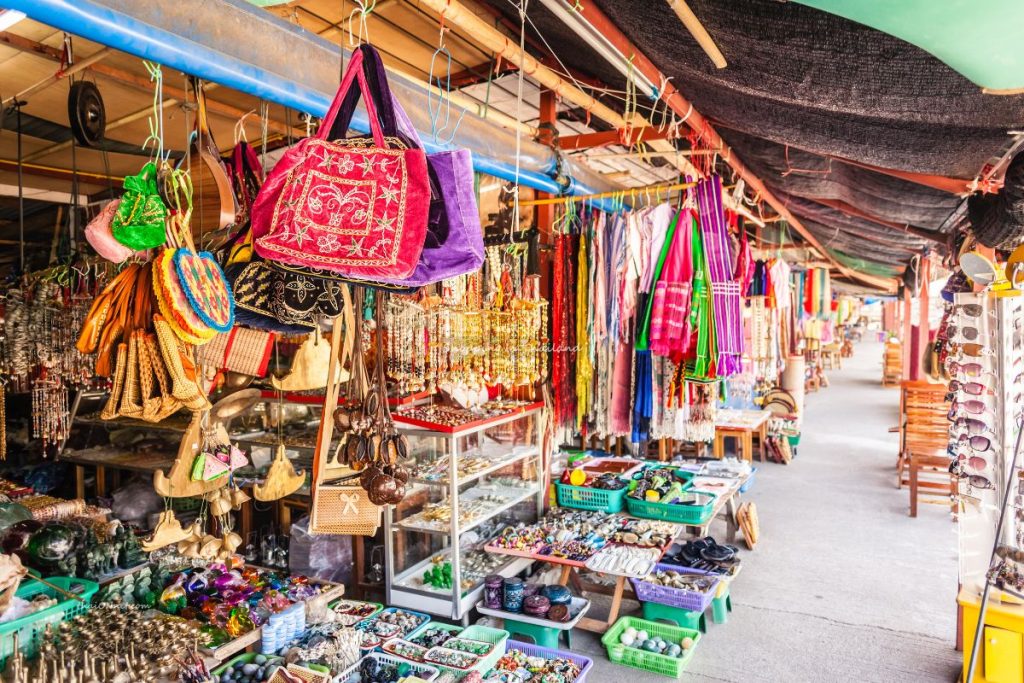
Shopping In Thailand can be fun, colourful, affordable, and full of variety. Visitors and residents can find busy street markets, modern shopping malls, night markets, local grocery shops, herbal stores, fashion stalls, souvenir stands, food markets, beauty shops, handmade crafts, and wellness products.
But Shopping In Thailand is easier when you understand a few practical details first. Prices, payment methods, bargaining, product quality, food safety, receipts, local etiquette, and transport can all affect your shopping experience.
This guide explains the best things to know before Shopping In Thailand, especially for beginners who want a smoother, safer, and more enjoyable experience.
👉 “Readers preparing for shopping in Thailand may also enjoy learning about Organic Beauty Products Made in Thailand.”
Why Shopping In Thailand Is Popular
Shopping In Thailand is popular because the country offers many different shopping experiences. You can visit a local morning market for fruit and herbs, a night market for clothes and street food, a mall for international brands, or a small shop for Thai wellness products.
People enjoy shopping in Thailand because they can find:
- Thai food ingredients
- Fresh fruit
- Thai herbs
- Herbal teas
- Clothing
- Souvenirs
- Skincare products
- Handmade crafts
- Bags and accessories
- Home items
- Local snacks
- Spa products
- Electronics
- Children’s items
- Wellness products
Shopping is also a way to experience Thai culture. Markets, malls, and local shops show how people eat, dress, decorate, bargain, gift, and enjoy daily life.
Markets And Malls Are Different
Before Shopping In Thailand, it helps to understand the difference between markets and malls.
Markets are usually more casual. They may have flexible prices, small stalls, cash payments, local food, clothing, souvenirs, household items, and fresh products. Some markets are open in the morning, while others are best at night.
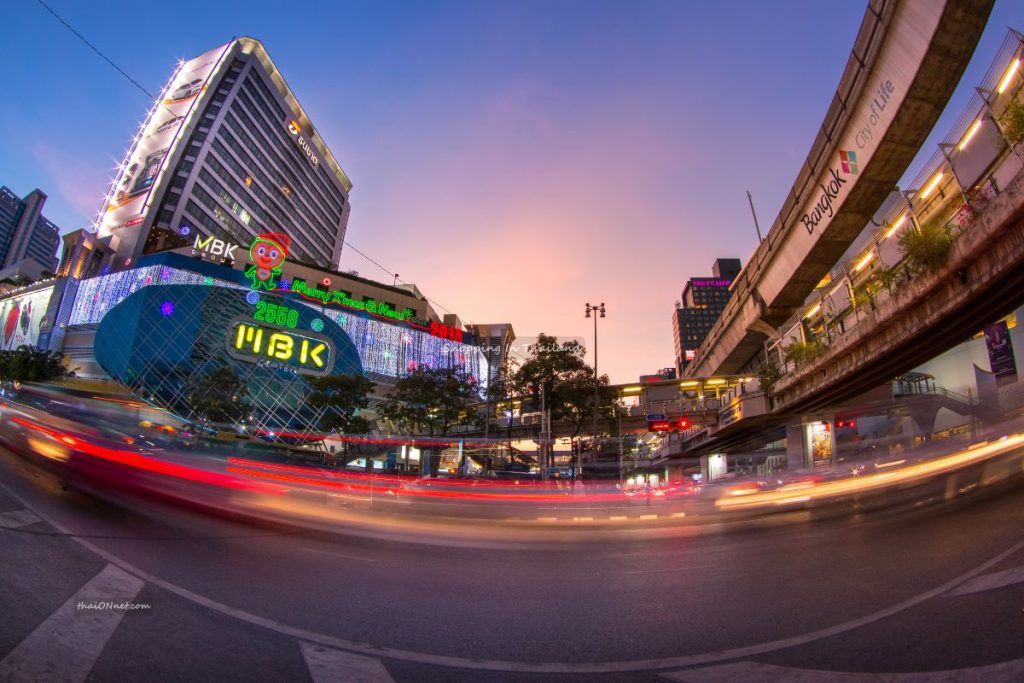
Malls are usually more organised. They often have fixed prices, air-conditioning, international brands, restaurants, cinemas, supermarkets, pharmacies, and card payment options.
Both can be useful.
Markets are good for:
- Local food
- Souvenirs
- Budget clothes
- Fresh fruit
- Handmade items
- Street snacks
- Casual shopping
Malls are good for:
- Fixed prices
- Branded products
- Receipts
- Air-conditioning
- Family comfort
- Toilets
- Restaurants
- Pharmacies
- Electronics
- Supermarkets
Shopping In Thailand is more enjoyable when you choose the right place for your needs.
Bring Cash For Markets
Cash is still useful when Shopping In Thailand, especially at local markets, small shops, food stalls, and street vendors. Many small vendors may not accept cards.
Bring small notes if possible. Vendors may not always have change for large bills.
Useful cash tips include:
- Carry small notes and coins
- Keep cash in a safe place
- Avoid showing large amounts of money
- Ask the price before buying
- Count change calmly
- Keep some cash separate for transport
- Do not rely only on credit cards at markets
In malls, cards and mobile payments may be easier, but cash is still helpful.
Check Payment Options Before Buying
Payment methods vary. Some shops accept cash only. Others accept cards, bank transfers, QR payments, or mobile wallets.

Before buying, ask or check:
- Is cash accepted?
- Is card accepted?
- Is there a card fee?
- Is mobile payment accepted?
- Can you get a receipt?
- Is the price final?
- Is tax included?
- Can the item be returned?
For visitors, cash is often the easiest option in small places. For residents, local mobile payments may be convenient if available.
Shopping In Thailand is smoother when you confirm payment before choosing many items.
Bargaining In Markets
Bargaining is common in some markets, but not everywhere. It is usually more acceptable at souvenir markets, clothing stalls, tourist markets, and some local stalls. It is less common in malls, supermarkets, pharmacies, convenience stores, and fixed-price shops.
Bargaining should be polite and friendly.
Helpful tips include:
- Smile
- Ask the price first
- Offer a lower but reasonable price
- Stay calm
- Do not insult the seller
- Do not bargain if you are not interested
- Buy more than one item if asking for a discount
- Be ready to walk away politely
- Accept the price if it is fair
Shopping In Thailand should feel respectful. Bargaining is not a fight. It is a normal part of some market experiences.
Know When Not To Bargain
Not every shopping situation is suitable for bargaining.
Avoid bargaining in:
- Convenience stores
- Supermarkets
- Department stores
- Pharmacies
- Chain shops
- Restaurants
- Official ticket counters
- Branded stores
- Clinics
- Fixed-price shops
- Some artisan shops
If a price tag is clear and the shop looks formal, the price is usually fixed.
If you are unsure, you can ask politely if there is a discount. If the answer is no, accept it calmly.
Compare Prices
Prices can vary between shops, stalls, neighbourhoods, and tourist areas. Before buying expensive items or many souvenirs, compare prices at a few places.
Compare:
- Product quality
- Size
- Materials
- Packaging
- Seller explanation
- Return policy
- Receipt
- Authenticity
- Price
- Warranty if relevant
Do not assume the first price is the best price.
Shopping In Thailand is easier when you slow down and compare, especially in large markets.
Check Product Quality
Quality can vary widely, especially in markets. Some items are handmade and beautiful. Others may be low quality or mass-produced.
Before buying, check:
- Fabric seams
- Zippers
- Buttons
- Labels
- Expiry dates
- Packaging
- Smell
- Colour
- Size
- Weight
- Broken parts
- Stains
- Loose threads
- Missing pieces
For herbal products, skincare, food, supplements, or wellness items, be extra careful. Check ingredients, labels, expiry date, and product source.
Thaicure.com readers may be interested in Thai herbs and wellness products, but these should be chosen carefully and not treated as medical treatment unless guided by qualified professionals.
Be Careful With Herbal And Wellness Products
Thailand has many herbal products, teas, balms, oils, compresses, soaps, skincare items, and traditional wellness products. These can be interesting, but buyers should be careful.
Before buying herbal products, check:
- Ingredients
- Expiry date
- Instructions
- Warnings
- Manufacturer
- Packaging condition
- Product registration if applicable
- Strong medical claims
- Possible allergies
- Whether it is suitable for children or pregnancy
Avoid products that promise miracle cures, instant results, or treatment for serious diseases.
Shopping In Thailand for herbal items should be done thoughtfully. Natural products can still cause allergies or interact with medicines.
Food Shopping In Thailand
Food shopping is one of the best parts of Thailand. Markets and shops often sell fresh fruit, rice, noodles, curry paste, herbs, sauces, snacks, tea, dried fruit, and local sweets.
Popular food items may include:
- Jasmine rice
- Coconut products
- Curry paste
- Fish sauce
- Thai tea
- Dried mango
- Tamarind
- Herbal tea
- Lemongrass
- Pandan
- Chilli paste
- Rice crackers
- Local snacks
- Tropical fruit
When buying food, check freshness, packaging, expiry date, and storage conditions.
If buying snacks as gifts, choose sealed products with clear labels.
Street Food And Market Snacks
Street food is part of the shopping experience in Thailand. Many markets have food stalls selling noodles, grilled snacks, fruit, drinks, desserts, and ready-to-eat meals.
Food safety tips include:
- Choose busy stalls with high turnover
- Look for clean preparation areas
- Eat food cooked fresh
- Be cautious with food sitting out too long
- Drink bottled or safe water
- Check ice quality if unsure
- Avoid raw items if your stomach is sensitive
- Be careful with seafood in hot weather
- Start slowly if you are new to spicy food
Shopping In Thailand often includes eating, but it is wise to choose carefully.
Souvenirs To Consider
Thailand has many souvenir options. Choose items that are practical, legal to carry, and easy to pack.
Popular souvenir ideas include:
- Thai tea
- Dried fruit
- Handmade bags
- Scarves
- Small crafts
- Coconut products
- Herbal balms
- Soaps
- Aroma products
- Thai snacks
- Local art
- Wooden items
- Ceramic items
- Magnets
- Thai-style clothing
Before buying souvenirs, think about luggage space, customs rules, liquids, food restrictions, and product safety.
Avoid items made from protected wildlife, endangered plants, or unclear animal products.
Clothing Shopping
Clothing is easy to find in Thailand. Markets, malls, boutiques, and local shops sell casual clothes, beachwear, children’s clothes, shoes, bags, and accessories.
Before buying clothes, check:
- Size
- Fabric
- Stretch
- Seams
- Colour quality
- Washing instructions
- Return policy
- Fit
- Comfort in hot weather
Sizes may be different from what you are used to. Try items on if possible or compare measurements.
Lightweight, breathable fabrics are usually better for Thailand’s climate.
Shopping For Thai Herbs
For thaicure.com readers, Thai herbs may be especially interesting. Markets and shops may sell lemongrass, ginger, galangal, kaffir lime leaves, turmeric, pandan, butterfly pea, roselle, and dried herbal blends.
When buying Thai herbs, check:
- Freshness
- Smell
- Colour
- Cleanliness
- Dryness for dried herbs
- Packaging
- Expiry date
- Storage instructions
- Intended use
Fresh herbs are good for cooking. Dried herbs may be used for teas, baths, foot soaks, or cooking, depending on the herb.
Do not use herbs as medicine without proper guidance, especially if you have a health condition.
Shopping For Skincare And Spa Products
Thailand has many spa and skincare products, including soaps, oils, balms, scrubs, lotions, herbal compresses, and aroma products.
Before buying, check:
- Ingredients
- Skin type suitability
- Expiry date
- Fragrance strength
- Allergy warnings
- Instructions
- Packaging
- Product source
- Claims
- Test size if available
If you have sensitive skin, test carefully before using a product widely.
Avoid applying strong oils, balms, or herbal products to broken skin.
Keep Receipts For Important Purchases
For small market purchases, receipts may not be available. For larger purchases, electronics, skincare products, herbal products, branded items, or gifts, ask for a receipt.
Receipts can help with:
- Returns
- Exchanges
- Warranty
- Proof of purchase
- Tax refund if applicable
- Price checking
- Travel records
In malls and formal shops, receipts are usually normal. In markets, they may not be offered unless requested.
Shopping In Thailand is safer when you keep records for more expensive items.
Understand Return Policies
Return policies vary. Many market purchases may be final. Malls and larger shops may allow exchanges, but rules differ.
Before buying, ask:
- Can I return this?
- Can I exchange it?
- How many days do I have?
- Do I need the receipt?
- Does the item need original packaging?
- Are sale items returnable?
- Is there a warranty?
Do this before paying, not after.
If you are buying clothing, check size carefully.
Be Aware Of Counterfeit Goods
Some markets may sell imitation branded products. These may be illegal, poor quality, or risky to carry across borders.
Be careful with:
- Designer bags
- Watches
- Shoes
- Electronics
- Cosmetics
- Perfumes
- Supplements
- Branded clothing
- Luxury accessories
Very low prices for luxury brands are usually a warning sign.
If you want authentic products, buy from official stores, department stores, brand shops, or trusted retailers.
Shopping Safety
Thailand is generally friendly for shopping, but crowded markets and tourist areas still require normal safety awareness.
Safety tips include:
- Keep your bag closed
- Watch your phone
- Do not carry too much cash
- Keep valuables secure
- Stay aware in crowds
- Use trusted transport
- Agree on pickup points with family
- Keep children close
- Avoid leaving bags unattended
- Be careful with late-night shopping areas
Shopping In Thailand should be enjoyable, but basic awareness helps prevent stress.
Shopping With Children
Shopping with children can be fun but tiring. Thailand’s heat, crowds, noise, and walking distances can affect children quickly.
Helpful tips include:
- Shop earlier in the day when possible
- Bring water
- Bring snacks
- Use sun protection
- Plan toilet breaks
- Choose malls for air-conditioning
- Keep children close in markets
- Avoid overcrowded stalls
- Bring a small toy or activity
- Do not plan too many shops in one day
Family shopping works best when the plan is simple.
Shopping During Hot Weather
Thailand can be very hot, especially when walking through markets. Dress comfortably and take breaks.
Hot-weather tips include:
- Wear light clothing
- Drink water
- Use sunscreen
- Wear comfortable shoes
- Take breaks in shade
- Avoid carrying heavy bags too long
- Use a small towel
- Shop during cooler hours
- Visit malls during midday heat
- Plan transport back before you are too tired
Shopping In Thailand is more pleasant when you respect the climate.
Shopping During Rainy Season
Rainy season can affect markets, streets, and transport. Some outdoor markets may become muddy, crowded, or harder to walk through.
Rainy season tips include:
- Carry a small umbrella
- Use waterproof sandals
- Keep electronics protected
- Bring a plastic bag for wet items
- Choose indoor malls on heavy rain days
- Be careful on slippery paths
- Check transport options
- Keep receipts dry
- Avoid buying items that may be damaged by rain
Rain does not need to stop shopping, but it helps to plan ahead.
Useful Thai Shopping Phrases
A few polite Thai phrases can make shopping easier.
Useful phrases include:
- “How much?” — “Tao rai?”
- “Can you lower the price?” — “Lot dai mai?”
- “Too expensive” — “Paeng pai”
- “I will take this” — “Ao an nee”
- “Thank you” — “Khop khun”
- “Do you have another size?” — “Mee size eun mai?”
- “Do you have another colour?” — “Mee see eun mai?”
- “No, thank you” — “Mai ao, khop khun”
Pronunciation may vary, and polite endings differ by speaker. Even simple Thai phrases can show respect.
Market Etiquette
Good manners make Shopping In Thailand more pleasant.
Helpful etiquette includes:
- Smile
- Speak calmly
- Do not touch food unnecessarily
- Ask before taking photos of people or stalls
- Bargain politely
- Do not mock prices
- Do not block stalls for too long
- Keep money ready
- Be patient in crowds
- Say thank you
- Respect local customs
A friendly attitude often helps more than perfect language.
What To Buy From Markets
Markets are good for casual and local items.
Good market purchases may include:
- Fruit
- Snacks
- T-shirts
- Beachwear
- Small souvenirs
- Handicrafts
- Bags
- Accessories
- Herbs
- Local sweets
- Home decorations
- Simple gifts
- Street food
- Children’s toys, with safety checks
Check quality before buying. Market items may be cheaper, but return options are often limited.
What To Buy From Malls
Malls are better for fixed-price, branded, or higher-value items.
Good mall purchases may include:
- Electronics
- Branded clothing
- Cosmetics
- Pharmacy items
- Supermarket goods
- Books
- Children’s products
- Shoes
- Luggage
- Home goods
- Beauty products
- Gifts with receipts
Malls also offer air-conditioning, toilets, restaurants, and easier family facilities.
Shopping For Gifts
If you are buying gifts in Thailand, choose items that are easy to pack and suitable for the person receiving them.
Good gift ideas include:
- Thai tea
- Dried fruit
- Herbal soap
- Small crafts
- Scarves
- Coconut snacks
- Aroma products
- Thai snacks
- Local art
- Handmade accessories
Avoid gifts that may leak, break, smell too strong, or be difficult to carry through customs.
If buying herbal or skincare gifts, choose sealed products with clear labels.
Budget Tips
Shopping can become expensive if you buy small things all day without tracking your spending.
Budget tips include:
- Set a daily shopping budget
- Compare prices
- Carry small cash amounts
- Avoid impulse buying
- Ask yourself if you will use the item
- Check luggage space
- Eat before shopping if hungry
- Make a gift list
- Avoid buying the same item too early
- Save receipts for big purchases
Shopping In Thailand can be affordable, but it is still easy to overspend.
Common Mistakes To Avoid
Not Carrying Cash
Many small vendors prefer cash.
Bargaining Too Aggressively
Bargain politely and accept fair prices.
Ignoring Product Quality
Check seams, labels, expiry dates, and packaging.
Buying Herbal Products Without Reading Labels
Herbal items should be checked carefully, especially if used on the body or consumed.
Forgetting About Luggage Space
Large souvenirs may be hard to carry home.
Assuming All Markets Are Cheaper
Some tourist markets may be more expensive than local shops or malls.
Not Checking Return Rules
Many small purchases may be final.
Simple Checklist Before Shopping
Use this checklist before Shopping In Thailand:
- I know what I want to buy
- I have cash and small notes
- I checked payment options
- I understand whether bargaining is appropriate
- I will compare prices
- I will check product quality
- I will read labels on food, herbs, and skincare
- I will keep receipts for important purchases
- I will protect my belongings
- I will avoid unclear health claims
- I will check luggage space
- I will shop politely and patiently
This checklist can help beginners shop with more confidence.
👉 Readers preparing to shop in Thailand may also enjoy this guide to Exploring Traditional Thai Markets in Bangkok.”
Conclusion
Shopping In Thailand can be one of the most enjoyable parts of visiting or living in the country. Markets, malls, herbal shops, food stalls, clothing stores, souvenir stands, and local grocery shops all offer different experiences.
The best approach is to shop with awareness. Bring cash, compare prices, bargain politely where appropriate, check product quality, read labels, keep receipts for important purchases, and be careful with herbal or wellness products that make strong claims.
For thaicure.com readers, shopping can also be a way to explore Thai herbs, natural products, food ingredients, and everyday Thai culture. But wellness and herbal products should be chosen carefully, especially if they are consumed or used on the skin.
With a little preparation, Shopping In Thailand can feel easier, safer, and more rewarding.
FAQ
What Is The Best Focus Keyword For This Article?
The recommended focus keyword is Shopping In Thailand because it is short, natural, and easy to use throughout the article.
Is Shopping In Thailand Expensive?
Shopping In Thailand can be affordable or expensive depending on where you shop. Markets may be cheaper, while malls and branded stores usually have fixed prices.
Can I Bargain When Shopping In Thailand?
You can bargain in many markets, especially for souvenirs and clothing. Do not bargain in supermarkets, malls, convenience stores, or fixed-price shops.
Should I Use Cash Or Card In Thailand?
Cash is useful for markets and small vendors. Cards are more common in malls, hotels, supermarkets, and larger shops.
What Should I Buy In Thailand?
Popular items include Thai tea, dried fruit, herbal products, handmade crafts, clothing, snacks, coconut products, soaps, spa items, and souvenirs.
Are Thai Herbal Products Safe To Buy?
Some are fine, but check ingredients, labels, expiry dates, warnings, and product source. Avoid products that make miracle medical claims.
How Can I Avoid Bad Purchases?
Compare prices, inspect quality, read labels, ask questions, keep receipts, and avoid rushing.
Are Markets Better Than Malls In Thailand?
Markets are good for local atmosphere, food, souvenirs, and bargains. Malls are better for fixed prices, branded items, receipts, and air-conditioning.
What Thai Phrases Help With Shopping?
Useful phrases include “Tao rai?” for “How much?”, “Lot dai mai?” for “Can you lower the price?”, and “Khop khun” for “Thank you.”
What Is The Most Important Shopping Tip In Thailand?
The most important tip is to slow down, compare options, check quality, and shop politely.