






- Introduction
- Why Car Insurance Matters In Thailand
- Understand Compulsory Car Insurance
- Compulsory Insurance Is Not Full Protection
- What Is Voluntary Car Insurance?
- Common Types Of Car Insurance In Thailand
- Type 1 Car Insurance
- Type 2+ Car Insurance
- Type 3+ Car Insurance
- Type 3 Car Insurance
- What Coverage Should Drivers Check?
- Check The Coverage Limits
- Understand Deductibles And Excess
- Named Driver Or Any Driver Cover
- Licence And Legal Requirements
- Rental Car Insurance In Thailand
- Family Car Insurance Considerations
- Flood And Weather Damage
- Theft And Fire Cover
- Repair Garage Options
- Roadside Assistance
- What To Do After A Car Accident
- Documents Needed For A Claim
- Common Exclusions To Check
- Comparing Car Insurance Policies
- Renewing Car Insurance In Thailand
- Simple Checklist Before Buying
- Common Mistakes To Avoid
- Conclusion
- FAQ
- What Is A Simple Guide To Car Insurance In Thailand?
- Is Car Insurance Required In Thailand?
- Is Compulsory Insurance Enough?
- What Is Voluntary Car Insurance?
- What Is Type 1 Car Insurance?
- What Should Families Check Before Buying Car Insurance?
- Does Car Insurance Cover Flood Damage In Thailand?
- What Documents Are Needed For A Car Insurance Claim?
- Is Rental Car Insurance In Thailand Enough?
- How Can I Compare Car Insurance In Thailand?
Introduction
Car insurance can feel confusing when you are new to Thailand. There are different policy types, local terms, claim rules, exclusions, repair options, and renewal steps. Some drivers only hear about compulsory insurance, while others are told to buy voluntary insurance without fully understanding the difference.
This Guide To Car Insurance In Thailand explains the basic points in a simple way. It is written for families, visitors, expats, long-stay residents, and anyone trying to understand how car insurance works before driving, buying, or renting a car.

This article is not legal, financial, or insurance advice. Car insurance rules, prices, coverage limits, and claim conditions can vary by provider, vehicle, driver, and policy. Always read the policy wording and ask the insurance provider before buying.
👉 “Drivers comparing insurance options may also find this simple guide to Automotive And Transport Services useful for understanding wider travel and vehicle-related support.”
Why Car Insurance Matters In Thailand
Driving in Thailand can be convenient, especially for families, school runs, shopping, road trips, and travel outside central Bangkok. However, accidents, repairs, medical costs, third-party claims, floods, theft, and rental disputes can become expensive.
Car insurance helps reduce financial risk, but only when the policy matches the situation.
A basic policy may not cover damage to your own car. A voluntary policy may have exclusions. A rental car agreement may include limited protection. A family car may need different coverage from an older second car.
That is why a practical Guide To Car Insurance In Thailand should start with one clear idea: do not assume all policies offer the same protection.
Understand Compulsory Car Insurance
Thailand has compulsory motor insurance, often called Por Ror Bor. It is required for registered vehicles and is connected with annual vehicle registration or tax renewal.
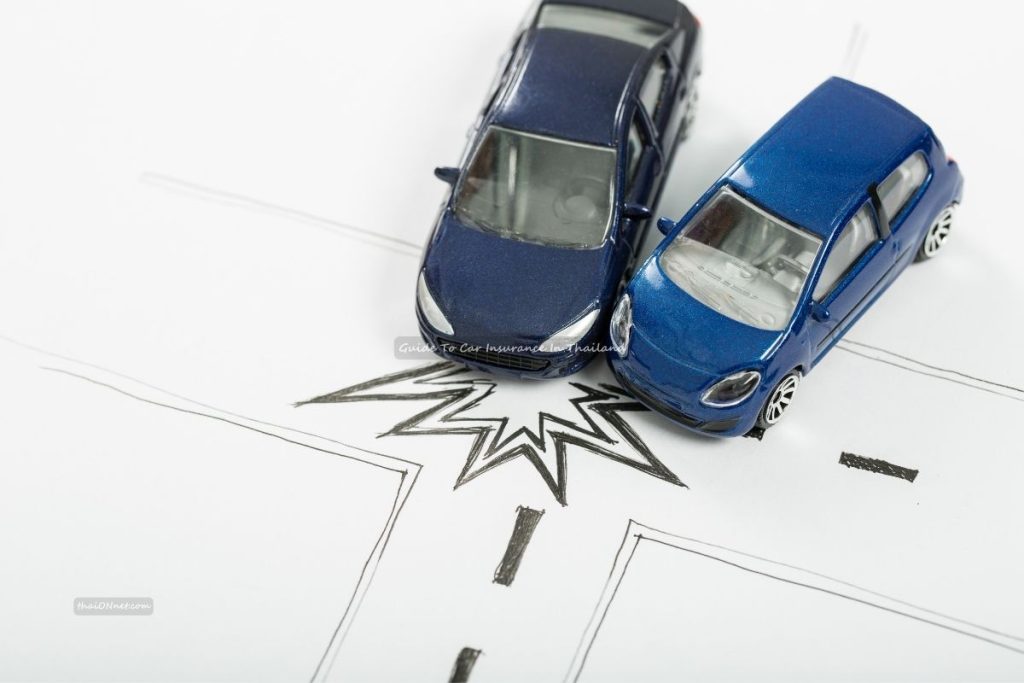
Compulsory insurance mainly exists to provide basic protection for people injured in road accidents. It should not be confused with full car insurance.
Compulsory insurance may not cover everything drivers expect. It may not fully cover:
- Damage to your own car
- Theft of your car
- Flood damage
- Fire damage
- Full third-party property damage
- Rental car disputes
- All private hospital costs
- Personal belongings inside the car
- Every accident situation
This is one reason many drivers also consider voluntary car insurance.
Compulsory Insurance Is Not Full Protection
One of the most common mistakes is thinking that compulsory insurance is enough for every situation.
Compulsory insurance can be important, but it is basic. It does not replace a fuller policy that may protect the car, third-party property, theft, fire, flood, personal accident benefits, or repair costs.
A simple Guide To Car Insurance In Thailand should make this difference clear.
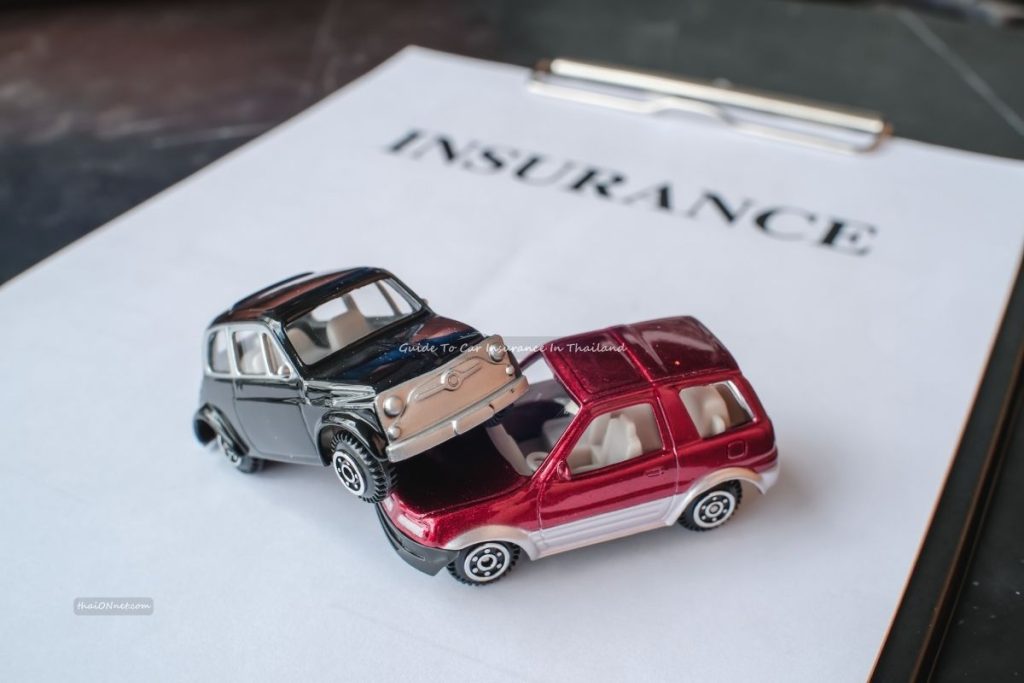
Compulsory insurance may help with certain injury-related costs, but voluntary insurance is usually where drivers look for wider protection.
Before driving, ask what type of cover is active and what is missing.
What Is Voluntary Car Insurance?
Voluntary car insurance is extra insurance that drivers may choose to buy in addition to compulsory insurance.
Depending on the policy, voluntary car insurance may include:
- Third-party property damage
- Damage to your own car
- Theft
- Fire
- Flood
- Personal accident cover
- Medical expense support
- Bail bond or legal-related support
- Roadside assistance
- Towing
- Repair garage support
Not every voluntary policy includes all of these. Some are broad, while others are more limited.
This Guide To Car Insurance In Thailand focuses on helping readers understand the main questions to ask before choosing.
Common Types Of Car Insurance In Thailand
Car insurance types in Thailand are often described by class or type. The exact wording may vary by provider, but many drivers will see options such as Type 1, Type 2+, Type 3+, and Type 3.
A simple way to understand them is:
- Type 1 is usually the broadest option
- Type 2+ may include selected protection such as theft, fire, and some accident damage
- Type 3+ may cover third-party damage and some own-car damage in certain collisions
- Type 3 is usually more basic and focused on third-party liability
The details can vary, so never rely only on the type name. Read the policy schedule and coverage table.
A Guide To Car Insurance In Thailand should help readers compare real cover, not just labels.
Type 1 Car Insurance
Type 1 car insurance is often the most complete voluntary option.
Depending on the policy, it may cover:
- Damage to your own car
- Damage to other vehicles
- Third-party property damage
- Theft
- Fire
- Flood
- Personal accident benefits
- Medical expenses
- Towing or roadside assistance
- Repair at approved garages
Type 1 may be suitable for newer cars, higher-value cars, family cars, financed cars, or drivers who want broader peace of mind.
However, it can be more expensive than other options.
Even with Type 1, exclusions and limits still apply.
Type 2+ Car Insurance
Type 2+ car insurance is often used by drivers who want more than basic cover but do not need the broadest policy.
Depending on the provider, it may include:
- Third-party liability
- Theft
- Fire
- Some own-car damage in specific accident situations
- Personal accident cover
- Medical expense support
- Bail bond or legal-related support
It may not cover every type of own-car damage in the same way Type 1 might.
This can be a practical option for some older cars or drivers looking for balance between cost and protection.
Always check how the policy defines covered accidents.
Type 3+ Car Insurance
Type 3+ is often more limited than Type 2+ or Type 1, but broader than basic Type 3.
Depending on the policy, it may cover:
- Third-party liability
- Some damage to your own car in specific collisions
- Personal accident benefits
- Medical expense support
- Limited repair support
It may not include theft or fire unless the policy specifically says so.
Type 3+ may suit older cars, lower-value cars, or drivers who mainly want third-party protection with some extra own-car damage support.
Check the conditions carefully.
Type 3 Car Insurance
Type 3 car insurance is usually one of the more basic voluntary options.
It often focuses on third-party liability. This means it may help if you cause damage to another person, vehicle, or property, depending on the policy.
It usually does not cover damage to your own car.
Type 3 may be cheaper, but it can leave the driver with repair costs for their own vehicle.
This Guide To Car Insurance In Thailand does not recommend one type for everyone. The right choice depends on the car’s value, budget, driving habits, family needs, and risk comfort.
What Coverage Should Drivers Check?
Before buying car insurance, check the coverage details carefully.
Important areas include:
- Third-party property damage
- Own-car damage
- Theft
- Fire
- Flood
- Personal accident cover
- Medical expenses
- Driver and passenger benefits
- Bail bond or legal-related support
- Towing
- Roadside assistance
- Windscreen cover
- Repair garage choice
- Rental car support
- Deductible or excess
Do not assume a policy includes something unless it is written clearly.
Check The Coverage Limits
Coverage limits decide how much the insurer may pay for each section.
Check limits for:
- Damage to other vehicles
- Damage to property
- Damage to your own car
- Medical expenses
- Personal accident benefits
- Bail bond
- Theft
- Fire
- Flood
- Towing
- Repair costs
- Emergency assistance
A policy may include a benefit, but the limit may be lower than expected.
This is one of the most important parts of any Guide To Car Insurance In Thailand because headline policy names do not tell the full story.
Understand Deductibles And Excess
Some policies include a deductible or excess. This is the amount the driver may need to pay before insurance pays, or the amount deducted from the claim.
Ask:
- Is there a deductible?
- Does it apply to every claim?
- Does it apply only in certain accidents?
- Is there a higher excess for unnamed drivers?
- Is there a higher excess for young drivers?
- Does choosing a lower premium increase the excess?
- Does the deductible apply to theft or flood?
A cheaper premium may come with higher out-of-pocket costs after an accident.
Named Driver Or Any Driver Cover
Some policies may ask whether the car is driven only by named drivers or by any driver.
Named driver policies may cost less, but they may create problems if someone else drives the car and has an accident.
Ask:
- Who is allowed to drive?
- Are family members included?
- Are guests covered?
- Are young drivers covered?
- Are foreign licence holders covered?
- Is an international driving permit needed?
- What happens if an unnamed driver has an accident?
Families should check this carefully, especially if more than one adult may drive the car.
Licence And Legal Requirements
Insurance may depend on the driver having the correct licence and following local laws.
Drivers should check:
- Is a Thai driving licence required?
- Is a foreign licence accepted?
- Is an international driving permit needed?
- Are long-stay residents treated differently?
- Are there restrictions for new drivers?
- Are there age-related rules?
- Does the policy require legal road use?
A rental company may allow someone to take a car, but that does not automatically mean every insurance condition is satisfied.
Rental Car Insurance In Thailand
Rental car insurance can be confusing. A rental agreement may say insurance is included, but the cover may still be limited.
Before renting a car, ask:
- What insurance is included?
- Is damage to the rental car covered?
- Is theft covered?
- Is third-party property damage covered?
- Is there an excess?
- Can the excess be reduced?
- Are tyres, glass, roof, or underbody damage excluded?
- Are all drivers listed?
- Are child seats covered?
- Is roadside assistance included?
- What happens after an accident?
- Are there restricted driving areas?
Take photos of the car before leaving the rental office. Record scratches, dents, tyre condition, fuel level, and any existing damage.
Family Car Insurance Considerations
Families may need to think beyond the basic policy.
Consider:
- Child passengers
- School runs
- Weekend trips
- Long-distance travel
- Car seats
- Medical support after accidents
- Named drivers
- Replacement transport
- Roadside assistance
- Flood risk near home
- Parking location
- Frequent city driving
- Travel outside Bangkok
Family cars are often used daily, so repair delays or claim problems can affect school, work, and home routines.
A practical Guide To Car Insurance In Thailand should include family lifestyle, not only price.
Flood And Weather Damage
Thailand can experience heavy rain and flooding in some areas. Flood cover is not always included in every policy.
Ask:
- Is flood damage covered?
- Are there limits?
- Are certain areas excluded?
- What happens if the car is driven through floodwater?
- What documents are needed?
- Is towing covered?
- Is engine damage covered?
Flood-related claims can depend on the situation and policy wording.
Drivers should avoid driving through deep water even if they have insurance.
Theft And Fire Cover
Theft and fire cover may be included in some policies but not all.
Ask:
- Is theft included?
- Is fire included?
- Is there an excess?
- Are personal belongings covered?
- Are accessories covered?
- Are keys required for a theft claim?
- Is theft from certain places excluded?
- What police report is needed?
Do not assume theft or fire is included unless it is clearly listed.
Repair Garage Options
Some policies require repairs at approved garages. Others may allow dealer garages or give the driver more choice.
Ask:
- Which garages are included?
- Can the car go to a dealer garage?
- Are genuine parts included?
- Are there limits for older cars?
- How are repairs approved?
- Does the insurer inspect the car first?
- Is towing to the garage included?
- Is there a repair guarantee?
Garage choice can matter a lot, especially for newer cars, imported cars, family cars, or vehicles still under warranty.
Roadside Assistance
Roadside assistance may be included or offered as an add-on.
It may help with:
- Towing
- Battery problems
- Flat tyres
- Locked keys
- Breakdown support
- Emergency call centre
- Transport to a repair garage
Check whether roadside assistance is available twenty-four hours a day and whether there are distance limits.
This can be useful for families, long drives, and road trips outside major cities.
What To Do After A Car Accident
After an accident, safety comes first.
General steps may include:
- Move to a safe place if possible
- Check for injuries
- Call emergency services if needed
- Contact the insurer
- Follow the insurer’s claim instructions
- Take photos of the scene and damage
- Exchange details with other parties
- Keep receipts and documents
- Do not admit fault before speaking with the insurer
- Ask whether a police report is needed
Some insurers may send a surveyor or representative to the scene.
Save the insurer’s claim hotline in your phone before driving.
Documents Needed For A Claim
Car insurance claims may require several documents.
These may include:
- Insurance policy
- Driver’s licence
- Vehicle registration book copy
- Passport or ID copy
- Photos of damage
- Police report if required
- Repair estimate
- Medical receipts if relevant
- Claim form
- Rental agreement if it is a rental car
- Contact details of other parties
Ask your provider what is required for different claim types.
Keeping documents organised can make the claim process easier.
Common Exclusions To Check
Every policy has exclusions.
Common exclusions may involve:
- Driving without a valid licence
- Driving under the influence
- Unlisted drivers
- Illegal use
- Racing
- Commercial use without approval
- Intentional damage
- Wear and tear
- Mechanical breakdown
- Certain flood situations
- Unapproved modifications
- Unattended valuables
- Driving outside covered areas
The exact exclusions vary.
Reading exclusions is one of the most important lessons in this Guide To Car Insurance In Thailand.
Comparing Car Insurance Policies
When comparing policies, look beyond the price.
Compare:
- Coverage type
- Coverage limits
- Own-car damage
- Third-party liability
- Theft and fire cover
- Flood cover
- Deductible
- Named driver rules
- Repair garage network
- Roadside assistance
- Claim process
- Customer support
- English-language help
- Renewal terms
- Reviews of claim handling
A policy that looks cheaper may not be the best value if the coverage is weak or the claim process is difficult.
Renewing Car Insurance In Thailand
Car insurance is not something to check only once.
Before renewal, review:
- Has the car value changed?
- Has the driver situation changed?
- Is the car used more often now?
- Is the car parked in a flood-risk area?
- Are more family members driving?
- Was the claim service good?
- Are better options available?
- Does the policy still match your needs?
Drivers should also keep track of compulsory insurance and vehicle tax renewal dates.
Missing renewal dates can create unnecessary problems.
Simple Checklist Before Buying
Before choosing a policy, check:
- Is compulsory insurance active?
- Do I need voluntary insurance?
- What type of voluntary cover fits the car?
- Is own-car damage covered?
- Is third-party property damage covered?
- Are theft, fire, and flood included?
- Is roadside assistance included?
- Are all drivers covered?
- What is the deductible?
- What are the exclusions?
- Which garages can repair the car?
- How do claims work?
- Is the claim hotline easy to reach?
- Are documents clear in a language I understand?
This checklist can help drivers make a more informed choice.
Common Mistakes To Avoid
Thinking Compulsory Insurance Is Enough
Compulsory insurance is basic and does not replace full voluntary cover.
Choosing Only By Price
Low premiums may come with low limits, high excess, or fewer benefits.
Ignoring Flood Cover
Flood cover may not be included in every policy.
Not Checking Named Driver Rules
A claim may be affected if the wrong person was driving.
Forgetting Rental Car Conditions
Rental insurance often has exclusions, excess amounts, and driver rules.
Not Saving The Claim Hotline
Drivers should know who to call before an accident happens.
Not Reading Exclusions
Exclusions explain what the insurer may not cover.
👉 “Readers who also use two-wheel transport may want to learn more about motorbike insurance in Thailand.”
Conclusion
This Guide To Car Insurance In Thailand gives drivers a simple starting point for understanding the basics. Compulsory insurance is required for registered vehicles, but it is not the same as full protection. Many drivers also consider voluntary insurance for broader cover.
Before buying, check the policy type, coverage limits, exclusions, deductible, named driver rules, repair garage options, claim process, theft cover, flood cover, and roadside assistance.
The best car insurance depends on the car, driver, budget, family needs, and how the vehicle is used. Do not choose only by price. Choose the policy that fits the real risk.
A careful Guide To Car Insurance In Thailand should help readers ask better questions, compare policies more clearly, and avoid surprises after an accident.
FAQ
What Is A Simple Guide To Car Insurance In Thailand?
A simple Guide To Car Insurance In Thailand explains the difference between compulsory insurance, voluntary insurance, policy types, exclusions, claims, deductibles, and driver responsibilities.
Is Car Insurance Required In Thailand?
Compulsory motor insurance is required for registered vehicles in Thailand. Drivers may also choose voluntary insurance for wider protection.
Is Compulsory Insurance Enough?
Compulsory insurance is basic and usually does not provide full protection for your own car, theft, flood, fire, or all third-party property damage.
What Is Voluntary Car Insurance?
Voluntary car insurance is extra cover that may include third-party damage, own-car damage, theft, fire, flood, personal accident benefits, and roadside assistance, depending on the policy.
What Is Type 1 Car Insurance?
Type 1 is often one of the broadest voluntary car insurance options. It may cover own-car damage, third-party damage, theft, fire, flood, and other benefits, depending on the policy.
What Should Families Check Before Buying Car Insurance?
Families should check named drivers, passenger cover, roadside assistance, medical benefits, repair options, flood cover, school-run use, and long-distance travel needs.
Does Car Insurance Cover Flood Damage In Thailand?
Some policies include flood cover, while others may not. Always check the policy wording before assuming flood damage is covered.
What Documents Are Needed For A Car Insurance Claim?
Common documents may include the policy, driving licence, vehicle documents, photos, claim form, police report if required, repair estimate, and medical receipts if relevant.
Is Rental Car Insurance In Thailand Enough?
Not always. Rental car insurance may have exclusions, excess amounts, restricted drivers, and limits. Read the rental agreement carefully.
How Can I Compare Car Insurance In Thailand?
Compare coverage type, limits, exclusions, deductible, repair garage options, roadside assistance, claim process, named driver rules, and customer support.