


- Introduction: Health And Wellness Rules In Thailand
- Why Health And Wellness Rules In Thailand Matter
- Protect Yourself From Mosquitoes
- Stay Hydrated In Thailand’s Hot Climate
- Be Careful With Tap Water And Ice
- Eat Street Food Safely
- Choose Healthy Food Options When Eating Out
- Manage Heat, Sun, And Humidity
- Understand Air Pollution In Cities
- Prepare Your Medication Before Traveling
- Know How To Use Healthcare Services In Thailand
- Use Pharmacies Carefully
- Respect Local Wellness Customs
- Plan Rest And Recovery Time
- Be Careful During Rainy Season
- Prepare Before Your Trip
- Conclusion
- FAQ
- Why are Health And Wellness Rules In Thailand useful for tourists?
- Can tourists drink tap water in Thailand?
- How can I stay hydrated in Thailand?
- Is street food safe in Thailand?
- How can I protect myself from mosquitoes in Thailand?
- Do I need travel insurance for Thailand?
- What should I pack for health and wellness in Thailand?
- Can I bring prescription medication into Thailand?
- How can I stay healthy in Bangkok or other crowded cities?
- Are Thai wellness treatments safe for tourists?
Introduction: Health And Wellness Rules In Thailand
Health And Wellness Rules In Thailand are important for tourists who want a safe, comfortable, and enjoyable trip. Thailand is known for its beaches, temples, street food, wellness retreats, markets, and friendly culture, but visitors should also understand how to stay healthy in the country’s hot climate and busy travel environments.
Good health preparation does not need to be complicated. Simple steps such as drinking safe water, protecting yourself from mosquitoes, eating carefully, preparing medication, avoiding heat exhaustion, and knowing where to find healthcare can make your trip much smoother.

This guide explains practical Health And Wellness Rules In Thailand for tourists, including food safety, hydration, mosquito protection, city health tips, healthcare planning, and simple wellness habits.
👉 “For readers interested in natural relaxation, this video explains Thai Massage Benefits for Wellness.”
Why Health And Wellness Rules In Thailand Matter
Thailand is a beautiful and exciting destination, but the climate, food, traffic, insects, air quality, and travel pace may feel different from what many visitors are used to. For this reason, tourists should take health and wellness seriously before and during their trip.
Following basic Health And Wellness Rules In Thailand can help reduce common travel problems such as dehydration, stomach discomfort, mosquito bites, sunburn, tiredness, and stress. These rules are not meant to make travel difficult. They simply help visitors enjoy Thailand with more confidence.
Whether you are visiting Bangkok, Chiang Mai, Phuket, Pattaya, Koh Samui, or smaller local areas, it is useful to prepare before you arrive and stay aware of your body during the trip.
Protect Yourself From Mosquitoes
Mosquitoes are one of the main health concerns in Thailand. Some areas may have mosquito-borne illnesses such as dengue fever, chikungunya, or other infections. Risk can vary by season and location, but it is always smart to protect yourself.
Use insect repellent, especially during early morning and evening. Wear light long-sleeved clothing when needed, and avoid standing water where mosquitoes may breed. If your hotel room has windows or a balcony, keep screens and doors closed when possible.
When staying in garden resorts, rural areas, islands, or places near water, mosquito protection becomes even more important. If you develop a high fever, strong body aches, rash, or unusual symptoms after mosquito bites, seek medical advice.
Stay Hydrated In Thailand’s Hot Climate
One of the most important Health And Wellness Rules In Thailand is to drink enough safe water. Thailand can be hot and humid, especially for tourists who walk outdoors, visit temples, shop in markets, or spend time at the beach.
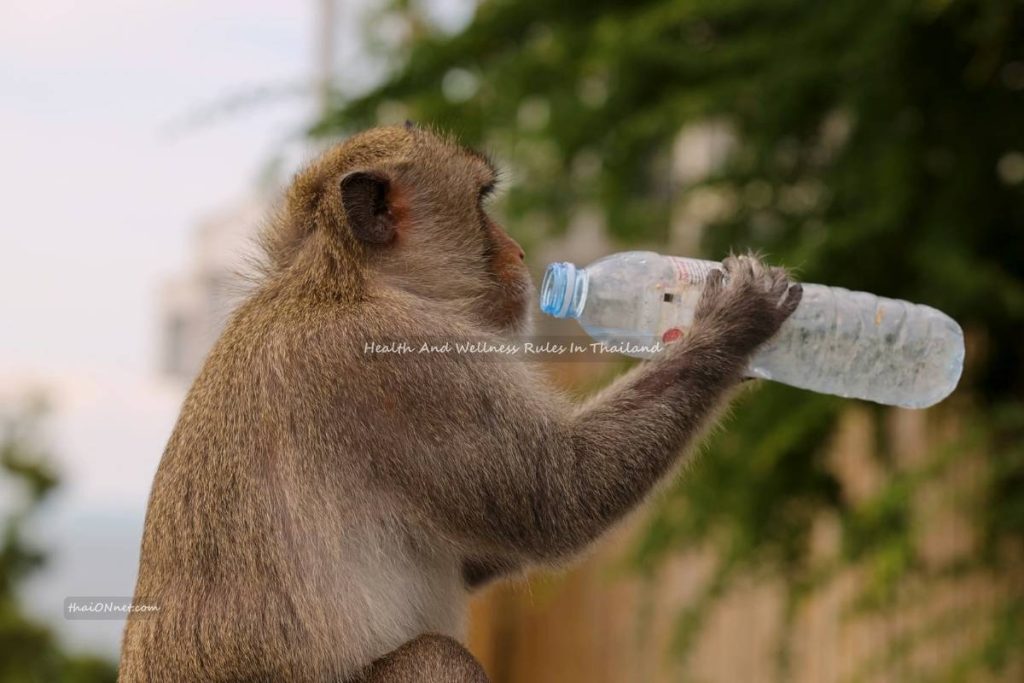
Dehydration can cause headaches, tiredness, dizziness, and weakness. To avoid this, carry bottled or filtered water and drink regularly throughout the day. Do not wait until you feel very thirsty.
Coconut water, fresh fruit, and electrolyte drinks can also help when you are sweating a lot. However, be careful with very sugary drinks if you are drinking them often. For long outdoor days, plan shaded breaks and avoid too much sun during the hottest hours.
Be Careful With Tap Water And Ice
Tourists should usually avoid drinking tap water in Thailand. Bottled water is widely available and is the safer choice for drinking. Many hotels also provide bottled water or filtered water stations.
Ice is common in restaurants and cafés. In many established places, commercial ice is used and is usually safer. However, if a place looks unhygienic or you are unsure, choose drinks without ice.
When brushing your teeth, many tourists use bottled water, especially during short trips or if they have a sensitive stomach. This is a simple habit that can help reduce the risk of stomach problems.
Eat Street Food Safely
Thai street food is one of the best parts of visiting Thailand. It can be fresh, affordable, and full of flavor. However, tourists should choose food stalls carefully.
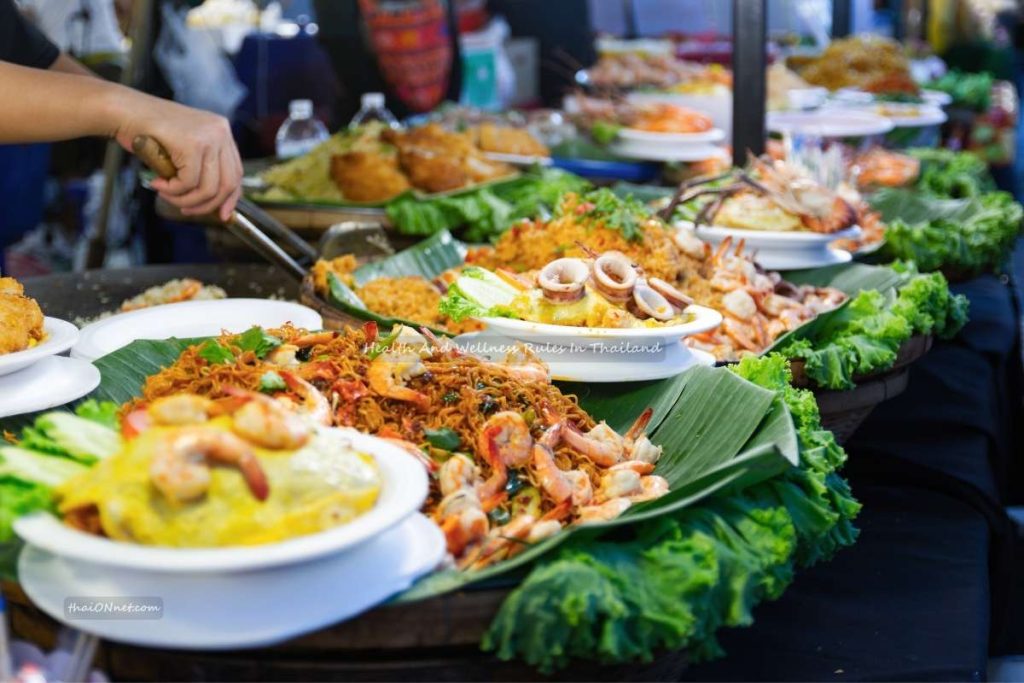
A good rule is to choose busy stalls where food is cooked fresh and served hot. High turnover usually means ingredients are used quickly. Avoid food that has been sitting out for too long, especially seafood, meat, or dishes with coconut milk.
Look for clean preparation areas, covered ingredients, and sellers who handle food carefully. If you are new to Thai food, start with mild dishes and slowly try stronger flavors. Spicy food can be delicious, but it may upset your stomach if you are not used to it.
Choose Healthy Food Options When Eating Out
Thai food can be very healthy when you choose balanced meals. Fresh fruit, vegetable dishes, grilled fish, clear soups, rice dishes, herbal drinks, and stir-fried vegetables can all be good options.
If you want lighter meals, try soups, steamed dishes, grilled proteins, fresh fruit, and meals with plenty of vegetables. If you want to reduce sugar or salt, ask for less sweet or less salty food when possible.
Some Thai dishes can be high in sugar, salt, oil, or spice, so balance is important. You do not need to avoid local food. Just mix heavier meals with lighter options and drink enough water.
Manage Heat, Sun, And Humidity
Heat is one of the most common challenges for tourists in Thailand. Long walks, beach days, markets, temples, and outdoor tours can become tiring quickly.
Wear light clothing, use sunscreen, and take breaks in air-conditioned places or shaded areas. A hat, sunglasses, and a small towel can also help. During temple visits, choose breathable clothing that still respects local dress rules.
Signs of heat exhaustion may include dizziness, heavy sweating, weakness, headache, nausea, and feeling faint. If this happens, stop activity, move to a cool place, drink water or electrolytes, and seek help if symptoms continue.
Understand Air Pollution In Cities
Air pollution can be an issue in some Thai cities, especially during certain seasons. Bangkok, Chiang Mai, and other urban areas may have days with poor air quality.
If you are sensitive to pollution, check air quality apps during your stay. On bad air days, reduce outdoor exercise, avoid heavy traffic areas, and consider wearing a good-quality mask. Staying indoors in places with air conditioning or air purifiers can also help.
People with asthma, allergies, heart conditions, or breathing problems should be especially careful and bring any necessary medication.
Prepare Your Medication Before Traveling
If you take prescription medication, bring enough for your trip and keep it in its original packaging. It is also wise to carry a copy of your prescription or a doctor’s note, especially for important or controlled medicines.
Before traveling, check whether your medication is allowed in Thailand. Some medicines that are common in one country may be restricted in another. If you are unsure, ask your doctor or check official travel medicine guidance before departure.
Keep essential medication in your hand luggage, not only in checked baggage. This helps if your luggage is delayed or lost.
Know How To Use Healthcare Services In Thailand
Thailand has many hospitals, clinics, pharmacies, and private healthcare services, especially in major cities and tourist areas. Private hospitals in Bangkok, Phuket, Chiang Mai, and other popular destinations often have English-speaking staff.
However, costs can vary. Private hospitals may be expensive, so travel insurance is strongly recommended. Choose insurance that covers medical treatment, emergency care, accidents, hospital stays, and possible evacuation if needed.
Before your trip, save the address of a nearby hospital or clinic close to your hotel. Also keep emergency contacts and insurance details easy to access.
Use Pharmacies Carefully
Pharmacies are easy to find in Thailand, and many can help with minor issues such as headaches, stomach discomfort, insect bites, allergies, or basic cold symptoms. However, tourists should still be cautious.
Do not mix medicines without checking possible interactions. If you already take prescription medication, ask a qualified healthcare professional before adding new medicine or herbal products.
If symptoms are serious, unusual, or last more than a short time, visit a clinic or hospital instead of relying only on pharmacy advice.
Respect Local Wellness Customs
Thailand has many wellness traditions, including Thai massage, herbal remedies, meditation, spa treatments, and natural care practices. These can be enjoyable and relaxing, but tourists should choose services carefully.
For Thai massage, choose a reputable place and tell the therapist if you have injuries, pregnancy, recent surgery, back problems, or medical conditions. Massage should not feel unsafe or extremely painful.
For herbal remedies or supplements, ask questions about ingredients and avoid using unfamiliar products if you are pregnant, breastfeeding, taking medication, or managing a health condition.
Plan Rest And Recovery Time
Travel in Thailand can be exciting, but it can also be tiring. Many tourists try to do too much in a short time, especially in Bangkok or island destinations.
A simple wellness rule is to leave space for rest. Plan slower mornings after late nights, take breaks between tours, and avoid scheduling too many activities in one day.
Good sleep, light meals, hydration, and quiet time can help you enjoy the trip more. Wellness is not only about spas or treatments. It is also about listening to your body.
Be Careful During Rainy Season
Rainy season can bring heavy rain, slippery streets, flooding in some areas, and more mosquitoes. If you travel during this time, bring suitable footwear, a light raincoat or umbrella, and waterproof bags for important items.
Walk carefully on wet pavements and avoid floodwater when possible. Floodwater may contain bacteria, sharp objects, or hidden holes. If you get cuts or wounds, clean them properly and seek care if they become red, swollen, or painful.
Prepare Before Your Trip
Before visiting Thailand, speak with your doctor or a travel clinic if you have health concerns. Ask about vaccinations, personal medication, travel insurance, and any special precautions based on your route.
Pack basic health items such as sunscreen, insect repellent, hand sanitizer, simple first-aid supplies, personal medication, electrolyte sachets, and any products you rely on daily.
Good preparation is one of the most useful Health And Wellness Rules In Thailand. It helps you avoid stress and handle small problems before they become bigger issues.
👉 “Tourists planning a longer stay may also want to watch this guide to Health Insurance Options for Long-Term Travelers in Thailand.”
Conclusion
Health And Wellness Rules In Thailand can help tourists enjoy the country more safely and comfortably. Simple habits such as drinking safe water, protecting yourself from mosquitoes, eating carefully, managing heat, preparing medication, and knowing where to find healthcare can make a big difference.
Thailand offers many wonderful experiences, from street food and markets to temples, beaches, wellness retreats, and natural beauty. By taking care of your body and planning ahead, you can enjoy these experiences with less stress and more confidence.
The best approach is to stay prepared, listen to your body, and make safe choices. With the right health and wellness habits, your trip to Thailand can be both enjoyable and well-balanced.
FAQ
Why are Health And Wellness Rules In Thailand useful for tourists?
Health And Wellness Rules In Thailand are useful because they help tourists avoid common travel problems such as dehydration, mosquito bites, food-related illness, heat exhaustion, and stress.
Can tourists drink tap water in Thailand?
Tourists should usually avoid drinking tap water in Thailand. Bottled or filtered water is the safer option for drinking.
How can I stay hydrated in Thailand?
Drink bottled or filtered water regularly, carry water when sightseeing, take shaded breaks, and consider coconut water or electrolyte drinks on very hot days.
Is street food safe in Thailand?
Street food can be safe and enjoyable if you choose busy stalls, eat food that is cooked fresh, and avoid food that has been sitting out too long.
How can I protect myself from mosquitoes in Thailand?
Use insect repellent, wear suitable clothing, avoid standing water, and keep hotel doors or window screens closed when possible.
Do I need travel insurance for Thailand?
Travel insurance is strongly recommended. It can help cover medical treatment, accidents, hospital visits, and emergency situations.
What should I pack for health and wellness in Thailand?
Useful items include sunscreen, insect repellent, hand sanitizer, personal medication, basic first-aid supplies, electrolyte sachets, and comfortable clothing.
Can I bring prescription medication into Thailand?
Some prescription medicines may be allowed, but others may be restricted. Bring medication in original packaging and carry a prescription or doctor’s note. Check rules before traveling if you are unsure.
How can I stay healthy in Bangkok or other crowded cities?
Stay hydrated, avoid too much heat, check air quality when needed, wash hands often, use masks on polluted days, and rest when your body feels tired.
Are Thai wellness treatments safe for tourists?
Many Thai wellness treatments can be safe when provided by reputable professionals. Tell the provider about injuries, pregnancy, health conditions, or medication before starting any treatment.