






- Introduction
- Understanding Thai Food Etiquette: A Guide to Dining Like a Local
- Exploring Traditional Thai Dishes
- Immersing Yourself in Thai Culture Through Food
- Exploring Traditional Thai Cuisine
- Understanding Thai Food Etiquette
- Tips and Tricks
- Conclusion
- FAQ
- Why is simple guide to thai food culture for first-time visitors useful?
- How can beginners use simple guide to thai food culture for first-time visitors?
- What are some must-try Thai dishes when visiting Bangkok?
- Can I drink tap water in Thailand?
- What are some natural remedies for common Thai ailments?
- Can I eat street food safely?
- What is the best way to enjoy family meals in Bangkok?
- Can I bring my own food into temples or other sacred sites?
- What are some traditional Thai wellness practices that I should know about?
- Can I use credit cards or ATMs to pay for food and drinks?
- What are some popular Thai drinks that I should try?
Introduction
simple guide to thai food culture for first-time visitors is the main topic of this guide, and the article explains it with practical details, useful examples, and beginner-friendly advice.
Welcome to the vibrant world of Thai food culture! As a first-time visitor to Thailand, you’re probably eager to dive into the rich flavors and aromas that this Southeast Asian country has to offer. From spicy street food to fragrant temple dishes, Thai cuisine is a sensory experience like no other.
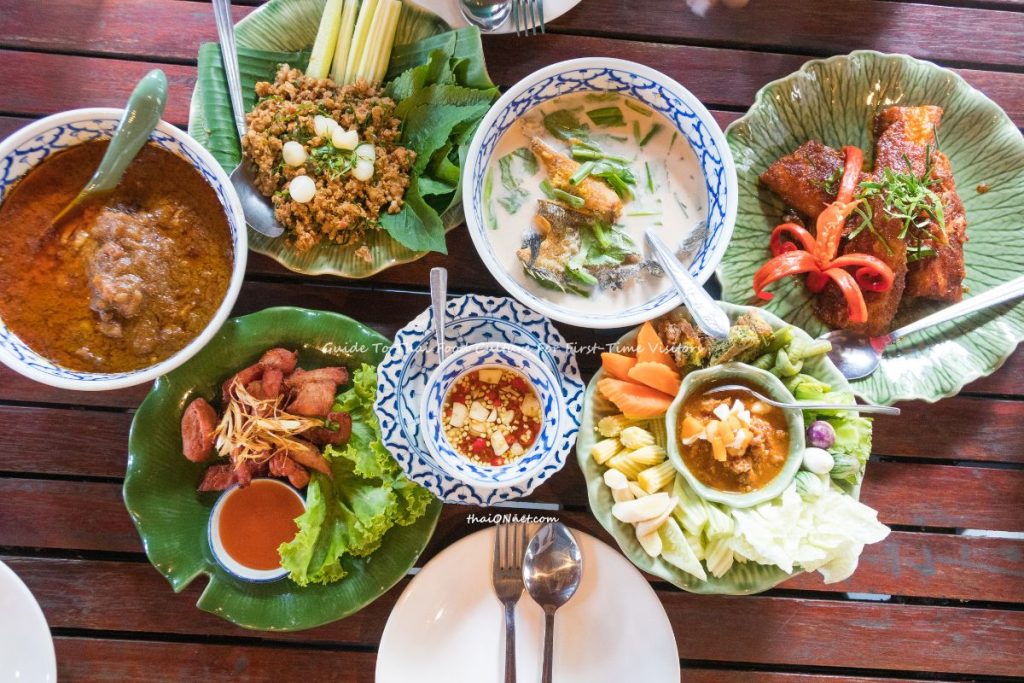
Thai food culture is deeply rooted in tradition and community, with meals often serving as an opportunity for social bonding and connection. In this simple guide, we’ll take you on a journey through the basics of Thai food culture, covering essential etiquette, popular dishes, and insider tips to enhance your dining experiences.
👉 “find easy Thai dinner ideas that work well for busy families Easy Thai Dinner Ideas For Busy Families.”
Understanding Thai Food Etiquette: A Guide to Dining Like a Local
Dining in Thailand is not just about enjoying delicious food; it’s also about respecting local customs and traditions. One of the most important aspects of Thai food etiquette is table manners, which vary from region to region but generally follow these guidelines:
- When dining at a traditional Thai restaurant or with locals, it’s customary to use your right hand when eating, as the left hand is considered unclean.
- Remove your shoes before entering a temple or a local home, and wear slippers or socks provided by the host.
- When receiving food from someone, say “khop khun krap” (thank you) to show appreciation for their generosity.
By following these simple guidelines, you’ll be able to navigate Thai dining culture with confidence and make a positive impression on the locals. In our next section, we’ll explore some of the most popular Thai dishes that are must-try for any visitor.
Exploring Traditional Thai Dishes
Thai cuisine is known for its bold flavors and aromas, with a focus on fresh ingredients and spices. For first-time visitors, trying traditional dishes is a must-do experience. Here are some popular and delicious options to consider:
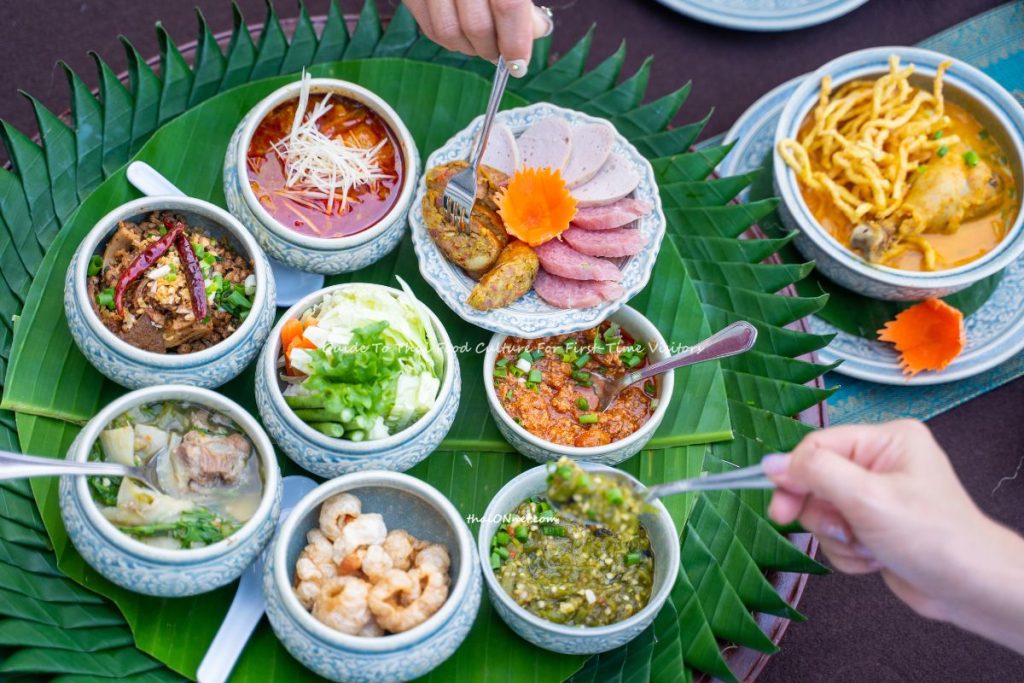
- Pad Thai: Stir-fried rice noodles with shrimp, tofu, and vegetables, flavored with tamarind and fish sauce.
- Gang Keow Wan: Spicy and sour green curry made with coconut milk, lemongrass, and your choice of protein (chicken, beef, or pork).
- Tom Yum Goong: Spicy and sour soup made with shrimp, lemongrass, lime leaves, and mushrooms.
When trying these dishes, be sure to follow local customs and etiquette. For example, it’s customary to use your right hand when eating, as the left hand is considered unclean. Also, try to avoid finishing a meal completely, as this implies that the host did not provide enough food.
Immersing Yourself in Thai Culture Through Food
Thai culture places a strong emphasis on community and sharing meals with others. For first-time visitors, participating in family-style meals is an excellent way to experience local traditions. Here are some tips for joining in:
- Learn basic Thai phrases: Greet your host with “sawatdee” (hello) and “khop khun krap” (thank you).
- Be prepared to try new foods: Don’t be afraid to ask your host about the ingredients or cooking methods used in a particular dish.
- Participate in mealtime rituals: Join in on traditional activities like chanting, meditation, or playing games during meals.
By embracing these customs and trying new foods, you’ll not only enhance your dining experience but also deepen your understanding of Thai culture and its people. Remember to stay curious, be open-minded, and enjoy the delicious flavors of Thailand!
Exploring Traditional Thai Cuisine
Thai food culture is known for its rich flavors and aromas, which are deeply rooted in the country’s history and traditions. From spicy curries to fragrant soups, each dish has a unique story to tell. As a first-time visitor, exploring traditional Thai cuisine can be an immersive experience that allows you to connect with local customs and way of life.
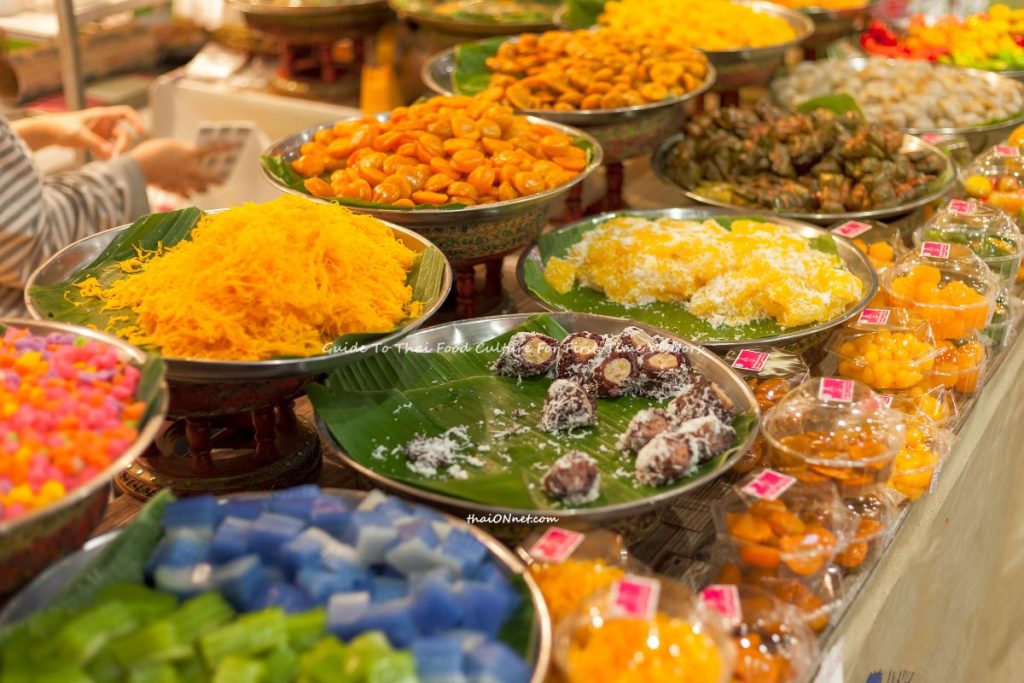
One of the best ways to explore traditional Thai cuisine is by visiting local markets or night bazaars. These bustling places are filled with vendors selling fresh produce, spices, and street food delicacies. You can sample a variety of dishes, from popular snacks like pad thai and mango sticky rice to more exotic options like fried insects and snakehead fish.
Understanding Thai Food Etiquette
Thai food culture is not just about the food itself, but also about the way it’s consumed. Understanding basic Thai food etiquette can make a big difference in your dining experience. Here are some tips to keep in mind:
- Use your right hand when eating, as the left hand is considered impolite.
- Avoid finishing a meal completely, as this implies that the host did not provide enough food.
- Try a little of everything on your plate, as this shows respect for the variety of dishes.
- Don’t leave your chopsticks standing upright in your rice bowl, as this can be seen as a sign of disrespect.
By following these simple guidelines, you can show respect for Thai food culture and enjoy a more authentic dining experience. Remember to always try new things, ask questions, and don’t be afraid to make mistakes – after all, that’s all part of the fun!
Tips and Tricks
Before embarking on your Thai food adventure, consider these extra planning tips to make the most of your experience:
- Research local markets and night bazaars where you can find authentic street food vendors. Be prepared for a sensory overload, but also be adventurous!
- Download food delivery apps or ride-sharing services that cater to tourists, such as GrabFood or Go-Van. This will save you time and energy when exploring the city.
- Learn some basic Thai phrases like “sawatdee” (hello), “khop khun krap” (thank you), and “mai ow hai” (excuse me). The locals will appreciate your effort to communicate in their language.
- Don’t be afraid to try new dishes, but also remember that some Thai food can be quite spicy. Bring a glass of milk or yogurt with you to help cool down the heat!
- Respect local customs and traditions when dining at temples or attending cultural events. Dress modestly and remove your shoes if required.
- Be mindful of food allergies and dietary restrictions. Many Thai dishes contain common allergens like peanuts, shellfish, or gluten. Inform your server or chef about any allergies before ordering.
Thai food is not just about the taste; it’s also about the experience. Take time to appreciate the vibrant colors, aromas, and sounds of the local markets and street food stalls. Enjoy the company of locals and fellow travelers, and don’t hesitate to ask for recommendations or advice from your server or a friendly local.
By following these extra planning tips and being open-minded, you’ll be well on your way to having an unforgettable Thai food adventure in Bangkok and beyond!
Readers learning about simple guide to thai food culture for first-time visitors often want clear examples, simple explanations, practical benefits, and safe ways to apply the information.
👉 “Discover family-friendly Thai meals to try in Bangkok Best Family-Friendly Thai Meals To Try In Bangkok.”
Conclusion
Thai food culture is one of the best ways for first-time visitors to understand Thailand. It is not only about spicy dishes, street food, or famous meals like Pad Thai and Tom Yum. It is also about sharing food, respecting local customs, trying new flavors, and enjoying the warm social side of Thai dining.
This simple guide to Thai food culture for first-time visitors gives you a helpful starting point before eating in Thailand. By learning basic food etiquette, trying traditional Thai dishes, visiting local markets, and being open to new experiences, you can enjoy Thai food with more confidence and respect.
Start with simple meals, ask questions when you are unsure, and pay attention to local habits. Whether you eat at a street food stall, a family restaurant, a night market, or a local home, Thai food can help you connect with the people, culture, and everyday life of Thailand.
For first-time visitors, the best approach is simple: stay curious, be respectful, try different dishes, and enjoy the experience one meal at a time.
FAQ
Why is simple guide to thai food culture for first-time visitors useful?
simple guide to thai food culture for first-time visitors is useful because it gives readers a clear starting point and helps them understand the topic step by step.
How can beginners use simple guide to thai food culture for first-time visitors?
Beginners can use simple guide to thai food culture for first-time visitors by starting with simple tips, learning the basic ideas, and applying them gradually.
What are some must-try Thai dishes when visiting Bangkok?
When in Bangkok, you can’t go wrong with trying the city’s famous street food. Some of the most popular and delicious dishes include Pad Thai, Tom Yum soup, and Som Tam (papaya salad). Don’t forget to also try some fresh fruit like durian or mango, which are abundant in Thailand.
Can I drink tap water in Thailand?
No, it’s not recommended to drink tap water in Thailand. Tap water is not safe for consumption and can cause stomach problems. Instead, stick to bottled or filtered water, or opt for coconut water or fresh fruit juice.
What are some natural remedies for common Thai ailments?
Thai herbal wellness has been practiced for centuries, and many of its remedies are still used today. For example, lemongrass tea is often used to soothe a sore throat, while turmeric is believed to have anti-inflammatory properties. You can find these remedies at most health food stores or markets in Thailand.
Can I eat street food safely?
Eating street food can be safe if you take the right precautions. Make sure to choose stalls that are busy and well-ventilated, and opt for dishes that have been cooked in front of you. Also, avoid eating from vendors who don’t use gloves or have poor hygiene practices.
What is the best way to enjoy family meals in Bangkok?
In Thailand, mealtimes are often seen as opportunities to bond with family and friends. When dining at a restaurant or with locals, try to participate in the meal by using chopsticks, trying new foods, and engaging in conversation. This will help you connect with your hosts and have a more authentic experience.
Can I bring my own food into temples or other sacred sites?
No, it’s generally not allowed to bring outside food into temples or other sacred sites in Thailand. This is because many of these places follow strict rules about what can be consumed on their premises. Instead, try some of the delicious temple food or snacks available for purchase.
What are some traditional Thai wellness practices that I should know about?
Thai natural ingredients like coconut oil and lemongrass have been used for centuries to promote relaxation and well-being. You can find many spas and wellness centers in Thailand that offer traditional massages, facials, and other treatments using these ingredients.
Can I use credit cards or ATMs to pay for food and drinks?
Yes, most restaurants and shops in Bangkok accept major credit cards like Visa and Mastercard. However, some smaller vendors may only accept cash, so it’s always a good idea to have some local currency on hand.
What are some popular Thai drinks that I should try?
Thai drinks like Singha beer, Chang beer, and Mai Tai cocktails are popular among locals and visitors alike. You can also try some fresh coconut water or juice made from tropical fruits like mango or durian.