






- Introduction
- Why Family Insurance Matters In Thailand
- Health Insurance Is Usually The Main Priority
- Travel Insurance And Family Health Insurance Are Different
- Public And Private Hospitals
- Hospital Networks
- Direct Billing
- Inpatient Cover
- Outpatient Cover
- Children’s Healthcare Needs
- Maternity And Newborn Cover
- Emergency Evacuation
- Pre-Existing Conditions
- Waiting Periods
- Coverage Limits
- Deductibles And Co-Payments
- Policy Exclusions
- Family Travel Cover
- Personal Accident Cover
- Life Insurance And Family Protection
- Home And Belongings Insurance
- Car And Motorbike Insurance
- Choosing A Family Insurance Provider
- Claim Documents
- Questions To Ask Before Buying
- Common Mistakes To Avoid
- Simple Family Insurance Checklist
- Conclusion
- FAQ
- What Is A Guide To Family Insurance In Thailand?
- Do Families Need Health Insurance In Thailand?
- What Does Family Health Insurance Usually Cover?
- Are Children Automatically Covered?
- Are Pre-Existing Conditions Covered?
- Is Outpatient Cover Important For Families?
- What Is Direct Billing?
- Should Families Check Maternity Cover?
- Does Family Insurance Cover Travel Outside Thailand?
- How Can Families Compare Insurance Plans?
Introduction
Family life in Thailand can be exciting, comfortable, and rewarding, but it also requires practical planning. Parents often think about schools, housing, transport, childcare, food, activities, and daily routines. Insurance should be part of that planning too.
A family may need medical care, hospital support, outpatient visits, emergency treatment, child healthcare, travel protection, or help after an accident. The right policy can reduce financial stress, but only if it matches the family’s real needs.
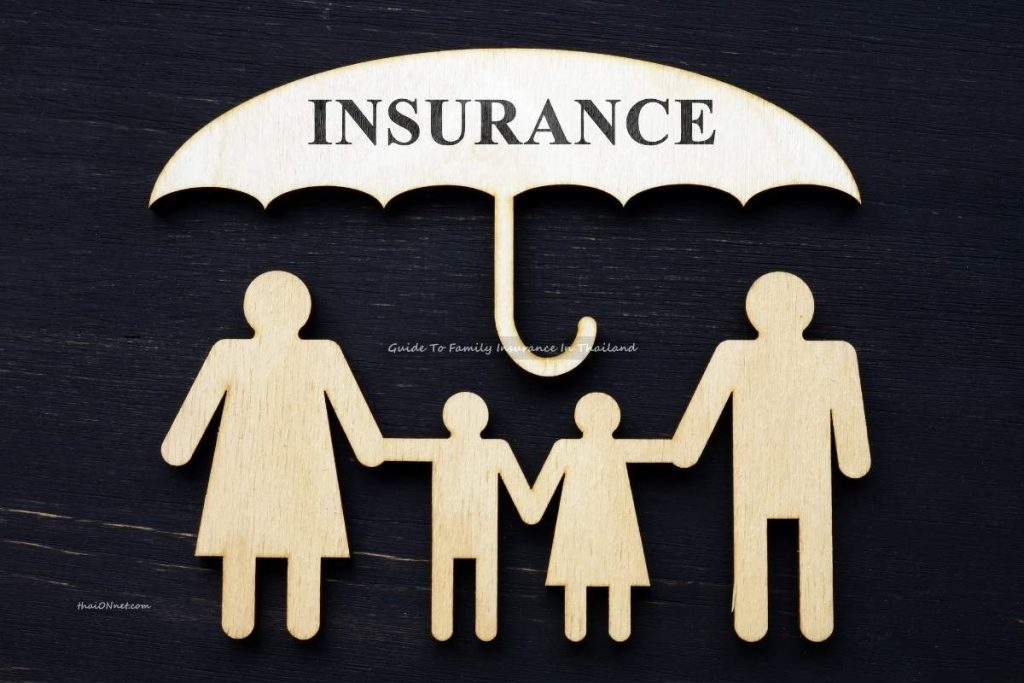
This Guide To Family Insurance In Thailand explains the basics in a simple way. It is not legal, medical, financial, or insurance advice. Policy terms, prices, exclusions, claim rules, and coverage limits can vary by provider, age, health history, visa type, and family situation.
The goal is to help families understand what to check before choosing insurance in Thailand.
👉 “Families comparing insurance options may also find this Phuket with Family 7-Day Itinerary.”
Why Family Insurance Matters In Thailand
Family insurance matters because one health problem can affect the whole household. If a parent is hospitalised, a child needs urgent care, or a family trip is interrupted, the impact can be practical, emotional, and financial.
A useful Guide To Family Insurance In Thailand should help parents think beyond the cheapest policy. Families need to consider children, adults, possible future needs, hospital access, emergency care, and daily medical support.
Family insurance may help with:
- Hospital admission
- Doctor visits
- Child healthcare
- Emergency treatment
- Surgery
- Medication
- Medical tests
- Specialist appointments
- Outpatient care
- Emergency evacuation, depending on the policy
- Travel-related medical issues, depending on the policy
The right cover depends on whether the family is visiting Thailand, living long term, working in Thailand, or moving between countries.
Health Insurance Is Usually The Main Priority
For many families, health insurance is the most important type of insurance to consider.

Children may need doctor visits for fever, allergies, stomach problems, injuries, vaccinations, skin irritation, ear infections, or follow-up care. Adults may also need regular check-ups, specialist care, emergency treatment, or hospital support.
A practical Guide To Family Insurance In Thailand should focus first on health cover because medical needs can happen at any time.
Families should check whether the policy covers:
- Parents
- Children
- Newborns
- Dependants
- Inpatient care
- Outpatient care
- Emergency care
- Medication
- Medical tests
- Specialist visits
- Family hospital networks
Do not assume every family member is automatically included. Each person should be clearly listed or covered under the policy terms.
Travel Insurance And Family Health Insurance Are Different
Travel insurance and family health insurance are not the same.
Travel insurance usually covers short-term travel risks, such as:
- Emergency medical treatment
- Trip cancellation
- Travel delays
- Lost luggage
- Trip interruption
- Emergency evacuation
- Travel-related accidents
Family health insurance usually focuses more on medical care, such as:
- Hospital admission
- Doctor visits
- Outpatient treatment
- Children’s healthcare
- Specialist care
- Medication
- Surgery
- Long-term medical needs
- Chronic condition support, depending on the policy
A family visiting Thailand for two weeks may need travel insurance. A family living in Thailand may need stronger health insurance or international medical cover.
One of the most important lessons in this Guide To Family Insurance In Thailand is to choose insurance based on the length and purpose of the stay.
Public And Private Hospitals
Thailand has both public and private hospitals.
Public hospitals can provide important care, but families may face longer waiting times, busier facilities, or language challenges, depending on the location and situation.

Private hospitals are often popular with foreign families because they may offer:
- Shorter waiting times
- International departments
- More English-language support
- Private rooms
- Wider specialist access
- Direct billing with some insurers
- Child-friendly facilities in some hospitals
Private hospitals can also be more expensive.
Before choosing family insurance, check whether your preferred hospitals are included in the policy network.
Hospital Networks
A hospital network is the list of hospitals and clinics connected to the insurance provider.
Families should ask:
- Which hospitals are included?
- Are children’s hospitals included?
- Are paediatric specialists included?
- Is the family’s nearest hospital included?
- Are private hospitals included?
- Are clinics included?
- Is direct billing available?
- What happens outside the network?
- Can the family choose doctors?
- Are emergency visits handled differently?
Hospital access is one of the most practical parts of any Guide To Family Insurance In Thailand because parents need clear options when a child is sick.
Direct Billing
Direct billing means the hospital bills the insurer directly instead of asking the family to pay first and claim later.
This can be helpful during hospital admission or urgent treatment.
Ask:
- Is direct billing available?
- Which hospitals support it?
- Is pre-approval required?
- Does direct billing work for outpatient visits?
- Does it work for emergency care?
- What happens if direct billing is refused?
- Will the family need to pay first and claim later?
Even when direct billing is offered, it may not work at every hospital or for every treatment.
Families should keep a payment backup for unexpected situations.
Inpatient Cover
Inpatient cover applies when a person is admitted to hospital.
It may include:
- Hospital room
- Surgery
- Doctor fees
- Nursing care
- Intensive care
- Medication during admission
- Medical tests
- Emergency admission
- Some follow-up care, depending on the policy
Inpatient cover is usually one of the most important benefits for families.
When comparing policies, check whether the inpatient limit is annual, per person, per condition, or per claim.
Outpatient Cover
Outpatient cover applies when treatment does not require hospital admission.
It may include:
- Doctor visits
- Paediatric appointments
- Specialist consultations
- Lab tests
- Medication
- Minor procedures
- Follow-up care
- Physiotherapy
- Vaccinations, depending on the policy
Outpatient cover can be especially useful for families with children because children often need smaller, regular medical visits.
Some policies include outpatient care. Others make it optional or exclude it to reduce premiums.
A good Guide To Family Insurance In Thailand should help parents think about how often the family actually visits doctors.
Children’s Healthcare Needs
Children may have different healthcare needs from adults.
Parents should check whether the policy covers:
- Paediatric care
- Emergency visits
- Vaccinations, if included
- Allergies
- Minor injuries
- Fever or infections
- Specialist referrals
- Lab tests
- Prescribed medication
- Hospital admission
- Follow-up appointments
Families should also check whether the policy has age limits, newborn rules, waiting periods, or special conditions for children.
Do not assume children are covered just because parents are covered.
Maternity And Newborn Cover
Families planning pregnancy or expecting a baby should check maternity and newborn rules carefully.
Ask:
- Is maternity cover included?
- Is there a waiting period?
- Are prenatal visits covered?
- Is delivery covered?
- Are complications covered?
- Is newborn care included?
- When can a newborn be added?
- Are congenital conditions covered?
- Are private hospitals included?
Maternity cover often has specific limits, waiting periods, and conditions.
If maternity matters, check before buying the policy, not after pregnancy begins.
Emergency Evacuation
Emergency evacuation cover may help if a family member needs to be moved to another hospital, city, or country for treatment.
This can matter for:
- Island trips
- Rural travel
- Serious accidents
- Complex medical conditions
- Children needing specialist care
- Family emergencies
- Living outside major cities
Ask:
- Is emergency evacuation included?
- What is the limit?
- Who decides if evacuation is needed?
- Does the insurer need to approve it first?
- Is repatriation included?
- Can a parent travel with a child?
- Are family members supported?
Emergency evacuation can be expensive, so it is worth checking carefully.
Pre-Existing Conditions
Pre-existing conditions can affect family insurance.
A pre-existing condition may include:
- A known illness
- Recent symptoms
- Ongoing medication
- Previous surgery
- Chronic conditions
- Recent tests
- Recent hospital visits
- Mental health conditions
- Pregnancy-related conditions
This can apply to adults and children.
Ask:
- Are pre-existing conditions covered?
- Must they be declared?
- Are they excluded permanently?
- Can they be covered after a waiting period?
- Can extra premium be paid for cover?
- Are stable conditions treated differently?
- What medical documents are required?
Never assume a condition is covered unless the insurer confirms it clearly.
Waiting Periods
Some benefits may not start immediately after buying a policy.
Waiting periods may apply to:
- Maternity
- Dental care
- Specific illnesses
- Some surgeries
- Preventive care
- Chronic conditions
- Pre-existing conditions
- Major medical treatments
- Newborn benefits
This means a family can have a policy but still not be covered for certain benefits right away.
Before buying, ask which waiting periods apply and when full benefits begin.
Coverage Limits
Coverage limits decide the maximum amount the insurer may pay.
Check limits for:
- Annual family cover
- Per-person cover
- Inpatient care
- Outpatient care
- Surgery
- Emergency treatment
- Intensive care
- Emergency evacuation
- Medication
- Maternity
- Newborn care
- Dental
- Vision
- Mental health
- Rehabilitation
A policy may look affordable but have low limits in important areas.
Families should compare limits carefully because more than one family member may need care in the same year.
Deductibles And Co-Payments
A deductible is the amount the insured person pays before the insurer pays. A co-payment is a share of the cost the insured person pays.
These affect the real cost of insurance.
Ask:
- Is there a deductible?
- Is it per person or per family?
- Is it annual or per claim?
- Does it apply to inpatient care?
- Does it apply to outpatient care?
- Is there a co-payment?
- Do children have different terms?
- Can a higher deductible reduce the premium?
Do not compare premiums only. Compare the possible out-of-pocket costs too.
Policy Exclusions
Every policy has exclusions. These are situations, treatments, or conditions the insurer may not cover.
Common exclusions may include:
- Undeclared pre-existing conditions
- Cosmetic treatment
- Some dental or vision care
- Routine check-ups if not included
- Some pregnancy-related care
- Experimental treatment
- Injuries from illegal activity
- Alcohol or drug-related incidents
- Certain sports or risky activities
- Non-approved hospitals
- Treatment outside covered areas
- Self-inflicted injury
Reading exclusions is one of the most important parts of this Guide To Family Insurance In Thailand.
Family Travel Cover
Families in Thailand may travel within the country or to nearby countries.
If the family travels often, ask:
- Is travel outside Thailand covered?
- Which countries are included?
- How long can each trip last?
- Are family members covered together?
- Is emergency evacuation included abroad?
- Are travel delays covered?
- Is lost baggage covered?
- Are children’s activities covered?
- Are motorbike or water activities excluded?
Some health insurance policies are Thailand-only. Others include regional or global cover.
Families should choose based on real travel habits.
Personal Accident Cover
Personal accident cover may provide certain benefits after an accident, depending on the policy.
It may apply to:
- Adults
- Children
- Accidental injury
- Disability benefits
- Accidental death benefits
- Medical costs after an accident, depending on the policy
Personal accident cover is not the same as full health insurance. It may be an add-on or separate policy.
Families should check what it covers and what it does not.
Life Insurance And Family Protection
Some families may also consider life insurance, especially if one parent is the main income earner.
Life insurance may help provide financial support for dependants if a parent dies, depending on the policy.
Families may want to consider:
- Income protection
- Education costs
- Housing costs
- Dependants
- Debts
- Long-term family stability
This is separate from medical insurance, but it can be part of wider family planning.
Home And Belongings Insurance
Families living in Thailand may also need home or belongings cover.
This may be relevant for:
- Rented apartments
- Owned condos
- Furniture
- Electronics
- Children’s items
- Jewellery
- Laptops
- Fire
- Theft
- Water damage
- Flood risk
Landlord insurance usually protects the landlord’s property, not necessarily the family’s belongings.
Families should check whether they need separate contents insurance.
Car And Motorbike Insurance
Families who drive or ride in Thailand should understand vehicle insurance separately.
Questions include:
- Is compulsory insurance active?
- Is voluntary car or motorbike insurance needed?
- Are all drivers covered?
- Is the correct licence required?
- Are passengers covered?
- Are children covered as passengers?
- Is roadside assistance included?
- What happens after an accident?
- Are rental vehicles covered?
A health insurance policy may help with medical treatment, but it may not cover vehicle damage or third-party claims.
Choosing A Family Insurance Provider
When comparing providers, look beyond price.
Consider:
- Coverage limits
- Hospital network
- Direct billing
- Claim reputation
- English-language support
- Family policy options
- Children’s benefits
- Newborn rules
- Pre-existing condition handling
- Emergency assistance
- Outpatient options
- Renewal rules
- Exclusions
- Customer service
- Policy clarity
A cheaper policy may not be better if it does not include the family’s preferred hospitals or has weak claim support.
Claim Documents
Insurance claims often require documents.
These may include:
- Medical report
- Hospital invoice
- Payment receipt
- Prescription record
- Lab results
- Claim form
- Insurance card
- Passport or ID copy
- Referral letter if required
- Pre-approval document
- Birth certificate for children if required
- Family policy documents
Keep copies of all medical records and receipts.
If direct billing is not available, complete documents become even more important.
Questions To Ask Before Buying
Before choosing a family policy, ask:
- What is covered?
- What is excluded?
- Are all family members included?
- Are preferred hospitals included?
- Is direct billing available?
- Are children covered properly?
- Are pre-existing conditions covered?
- Are there waiting periods?
- What are the annual limits?
- Is outpatient care included?
- Is emergency evacuation included?
- Is maternity cover needed?
- Can the policy be renewed long term?
- What documents are needed for claims?
These questions make the buying process clearer.
Common Mistakes To Avoid
Choosing Only By Price
A low-cost policy may have low limits, high deductibles, or important exclusions.
Forgetting To Add Every Family Member
Each parent and child should be clearly included.
Ignoring Children’s Outpatient Needs
Children often need regular doctor visits, so outpatient cover may matter.
Not Checking Hospital Networks
A policy may not include the family’s preferred hospital.
Forgetting Waiting Periods
Some benefits may not start immediately.
Confusing Travel Insurance With Family Health Insurance
Travel insurance may not be enough for long-term family life in Thailand.
Assuming Direct Billing Always Works
Direct billing may depend on the hospital, treatment, and insurer.
Simple Family Insurance Checklist
Before choosing family insurance, check:
- Inpatient cover
- Outpatient cover
- Children’s healthcare
- Emergency care
- Medical evacuation
- Hospital network
- Direct billing
- Pre-existing condition rules
- Waiting periods
- Deductibles
- Co-payments
- Coverage limits
- Exclusions
- Maternity cover if relevant
- Newborn cover if relevant
- Travel outside Thailand
- Claim documents
- Customer support
This checklist can help families compare policies more clearly.
👉 “Families planning a trip may also find this easy guide to Travel Insurance In Thailand.”
Conclusion
This Guide To Family Insurance In Thailand gives parents and families a practical starting point. Insurance is not only about buying a policy. It is about choosing protection that fits real family life.
Families should think about health cover, children’s care, hospital networks, direct billing, outpatient visits, emergency evacuation, pre-existing conditions, maternity, newborn rules, travel outside Thailand, and claim support.
The best policy depends on the family’s lifestyle, budget, health history, preferred hospitals, travel habits, and long-term plans.
Read the policy carefully, ask questions before buying, and keep important documents ready. A little planning can make family life in Thailand safer, calmer, and easier to manage.
FAQ
What Is A Guide To Family Insurance In Thailand?
A Guide To Family Insurance In Thailand explains the main insurance options for families, including health cover, hospital networks, children’s care, exclusions, claims, and long-term planning.
Do Families Need Health Insurance In Thailand?
Health insurance is strongly worth considering because medical treatment, private hospital care, child healthcare, and emergencies can become expensive.
What Does Family Health Insurance Usually Cover?
Depending on the policy, it may cover inpatient care, outpatient visits, emergency treatment, surgery, medication, specialist care, and medical evacuation.
Are Children Automatically Covered?
Not always. Children should be clearly included in the policy. Parents should check age limits, newborn rules, and dependant terms.
Are Pre-Existing Conditions Covered?
It depends on the insurer and policy. Some exclude them, some require declaration, and some may offer special terms or waiting periods.
Is Outpatient Cover Important For Families?
It can be very useful because children often need doctor visits, medication, tests, and follow-up care without hospital admission.
What Is Direct Billing?
Direct billing means the hospital bills the insurer directly. It can be helpful, but it is not available with every hospital, policy, or treatment.
Should Families Check Maternity Cover?
Yes, if pregnancy or future birth planning is relevant. Maternity cover often has waiting periods, limits, and specific rules.
Does Family Insurance Cover Travel Outside Thailand?
Some policies include regional or global cover, while others are Thailand-only. Families who travel often should check this carefully.
How Can Families Compare Insurance Plans?
Compare coverage limits, inpatient and outpatient benefits, children’s care, hospital networks, direct billing, exclusions, pre-existing condition rules, deductibles, renewal terms, and claim support.